
Used Dragon Crude Oil Trailers For Sale in Texas
Shop used Dragon crude oil trailers in Texas. Compare barrel capacity, DOT 407 specs, pumps, suspension, test records, and overall tank condition.
Learn more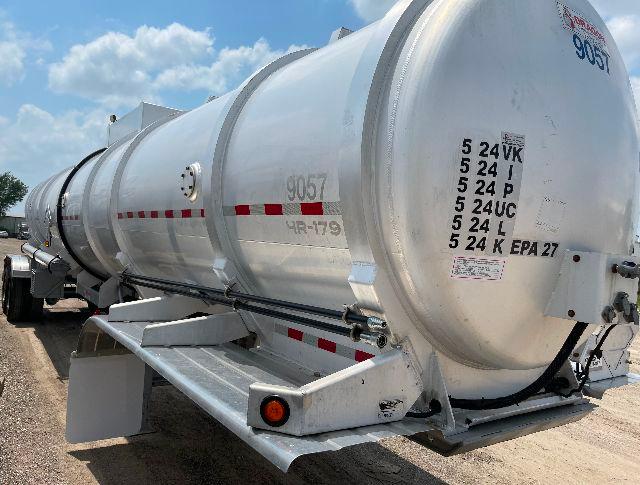
Have used dragon crude oil trailer to sell? List it here to reach thousands of buyers.
About Used Dragon Crude Oil Trailers in Texas
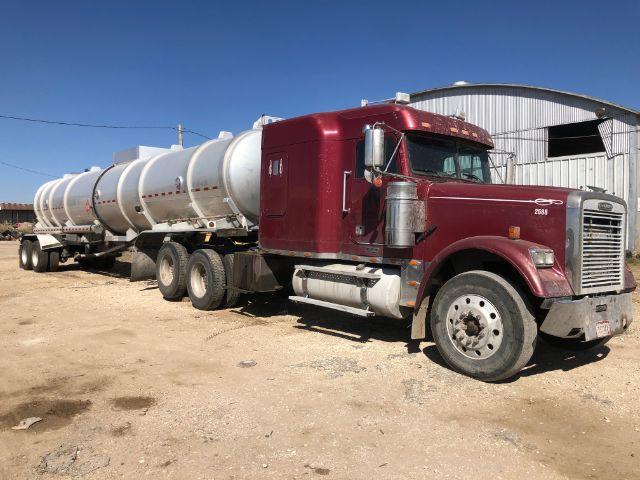
Dragon tankers are a familiar sight in shale and production regions because they are typically set up for the repetitive loading, hauling, and unloading cycles seen in crude service. Air ride suspension is common and helps with ride quality and product stability. Many units are equipped with pump systems, wet or dry discharge valves, vapor lines, pressure gauges, and electronic overfill or monitor systems such as Garnet or Titan components. On a used trailer, those details affect uptime. Buyers should look closely at valve condition, gasket material such as Viton, sump integrity, dome lids, cleanout seals, and whether the trailer has had recent brake work, ABS checks, hub inspections, and light repairs.
Inspection and test history is a major buying point on a used crude oil trailer. For a DOT 407 tanker, current documentation for external, internal, leakage, pressure, and kingpin inspections can save time and money after purchase. Tank cleaning records, pressure vent service, lining repairs, and proof of bench-tested components are all worth reviewing. In oilfield service, a trailer that has already had its test dates updated and problem areas repaired is often more valuable than a cheaper unit that still needs compliance work before it can go to work. Tire condition, wheel-end service, frame or chassis corrosion, and evidence of sandblasting or repainting can also tell you how seriously the previous owner handled maintenance.
When comparing used Dragon crude oil trailers for sale, match the trailer to your route, product, and loading setup. Axle count, legal weight considerations, overall length, discharge configuration, and pump requirements all affect how well the trailer fits your operation. Aluminum construction can help with tare weight, but the real decision usually comes down to documented testing, tank integrity, and the condition of critical components that keep a crude tanker safe and productive in the field. Buyers in Texas often prioritize ready-to-work trailers that can move quickly into oilfield service with minimal reconditioning.
Frequently Asked Questions
What should I check first on a used Dragon crude oil trailer?
Start with the tank specification, barrel capacity, and current inspection status. On most used crude tankers, the most important items are DOT 407 compliance records, shell and sump condition, valve function, vapor system integrity, and signs of internal repair or lining damage. After that, review the running gear, including brakes, suspension, tires, hubs, ABS, and kingpin condition, because those items directly affect downtime and reconditioning cost.
Is a 200 BBL Dragon trailer a common size for crude oil service?
Yes. A 200 barrel crude oil trailer is a common oilfield configuration and is widely recognized in Texas and other production regions. That size offers useful payload capacity for crude hauling while staying within a trailer format many operators already support for loading, unloading, and maintenance. Capacity alone does not determine value, though. Axle configuration, tare weight, tank spec, and equipment such as pumps and vapor recovery plumbing matter just as much.
Why are inspection records so important on a used crude tanker?
Inspection records show whether the trailer is current on the tests required for continued tank service and help verify that major safety systems have been checked. For a DOT 407 crude oil trailer, buyers often look for external, internal, leakage, pressure, and kingpin inspection documentation. A trailer with recent test dates, tank cleaning records, and documented valve or gasket replacement is usually easier to place into service and easier to evaluate than one with limited paperwork.
Are aluminum Dragon crude oil trailers better than steel?
Aluminum crude oil trailers are often preferred because they can reduce tare weight and resist corrosion better than steel in many operating environments. That can help with payload and long-term upkeep. The better choice still depends on service history and condition. A well-maintained steel unit can outperform a neglected aluminum trailer, so buyers should focus on structural condition, tank integrity, repairs, and maintenance documentation rather than material alone.
What equipment options add value on a used crude oil trailer?
Options that improve field usability and reduce immediate repair cost usually add the most value. Buyers often look for working pump systems, reliable wet or dry valves, vapor recovery plumbing, current gauges, overfill monitoring components, air ride suspension, and recent brake or tire work. New gaskets, serviced pressure vents, repaired lining areas, and verified ABS and lighting systems are also meaningful because they can reduce startup downtime after purchase.