
Dragon Crude Oil Trailers For Sale
Shop Dragon crude oil trailers for hauling petroleum products, with common DOT 407 specs, barrel capacities, aluminum construction, and tanker features.
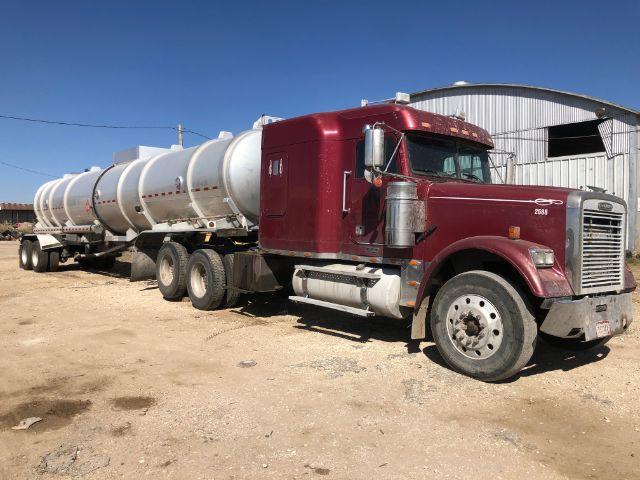
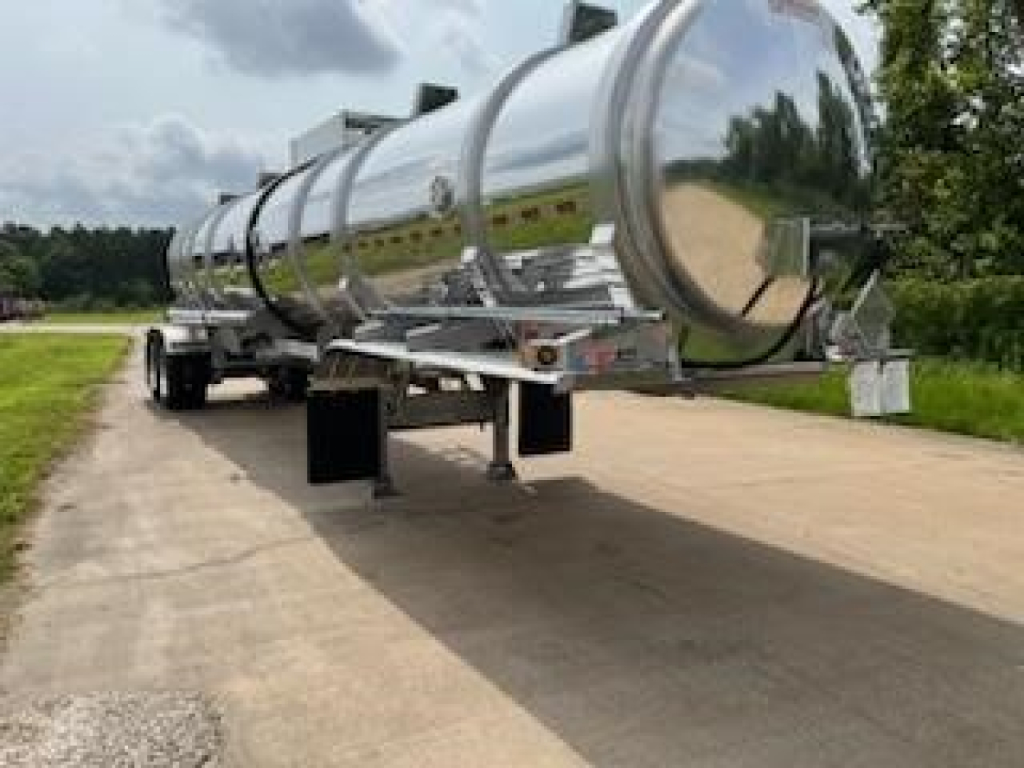
Selling a dragon crude oil trailer? List your dragon crude oil trailer for sale and reach thousands of commercial buyers.
Dragon Crude Oil Trailers
A buyer comparing crude tankers should pay close attention to spec details beyond barrel count. Tank code, compartment setup, vapor recovery equipment, bottom-load plumbing, pump configuration, and wet-or-dry valve layout all affect where and how the trailer can run. Aluminum tanks are common because they help reduce tare weight and resist corrosion, but condition is just as important as material. On a used Dragon crude trailer, recent pressure, leakage, internal, external, and kingpin inspection records carry real value. So do service items like valve replacement, gasket work, lining repair, brake service, ABS checks, suspension inspection, and documented vent or vapor system repairs.
For field use, many Dragon crude oil trailers are equipped with features that support fast turns and safer handling at the lease or terminal. Common equipment includes vapor recovery, cleanouts, manholes, side ladders, work lights, heavy-duty bumpers, aluminum wheels, tire carriers, and landing gear suited for repeated drop-and-hook or stationary loading cycles. Pump-equipped units can be especially relevant in operations where unloading flexibility is needed. Buyers should also confirm axle spacing, tire size, wheel-end condition, and whether the trailer uses a closed tandem or another suspension layout that fits state bridge laws and route requirements.
The best trailer in this class is the one that matches the product, loading method, and compliance demands of the operation. Crude oil service puts extra importance on tank integrity, emergency valves, seals, vapor lines, and current test status, not just cosmetic condition. If the trailer will work in oilfield service, verify the plumbing arrangement, sump condition, insulation or jacketing if specified, and the compatibility of gaskets and seals with the product stream. A Dragon crude oil tanker with the right test history, legal specification, and well-maintained running gear can be a productive asset for regional petroleum transport, lease service, and dedicated crude hauling.
Frequently Asked Questions about Dragon Crude Oil Trailers
What DOT specification is commonly found on Dragon crude oil trailers?
Many Dragon crude oil trailers in this category are built to DOT 407 specification. DOT 407 tank trailers are commonly used for hauling petroleum-based liquids and are frequently seen in crude oil service when properly configured. Buyers should still verify the exact tank code on the data plate and confirm that the trailer's specification, lining, valves, and safety equipment match the commodity and jurisdiction where it will operate.
How many gallons or barrels does a typical Dragon crude oil trailer hold?
A common capacity range for a Dragon crude oil trailer is about 200 barrels, which is roughly 8,400 gallons, although exact capacity depends on tank design and legal operating limits. Double-conical aluminum tanks in this class are often built around that range to balance payload and unload efficiency. Capacity alone should not drive the decision because axle configuration, tare weight, and state weight laws ultimately determine how much product can be hauled legally.
Why do many buyers prefer aluminum crude oil tank trailers?
Aluminum crude oil trailers are popular because they typically offer lower tare weight than comparable steel designs, which can improve legal payload. Aluminum also resists corrosion well, an important factor in tanker longevity and resale value. The tradeoff is that buyers still need to inspect the tank carefully for prior repairs, lining condition where applicable, damage around cleanouts and sumps, and the overall condition of the subframe, suspension, and mounting areas.
What should I inspect first on a used Dragon crude oil trailer?
Start with compliance and tank integrity. Review current inspection and test records, including external, internal, leakage, and pressure test status where required, along with kingpin inspection documentation. Then inspect emergency valves, vapor recovery plumbing, sump condition, manhole seals, gaskets, brakes, ABS, suspension, wheel ends, tires, and any pump system on the trailer. A clean tank and fresh paint are helpful, but documented testing and functional petroleum-service components matter more.
Are pumps, bottom loading, and vapor recovery important on crude tank trailers?
Yes. Those features directly affect compatibility with loading racks, field operations, and customer requirements. Bottom loading can speed loading and improve operational consistency, vapor recovery may be required by certain facilities or environmental rules, and an onboard pump can add flexibility where gravity or facility equipment is not enough. Buyers should confirm the exact plumbing layout, valve sizes, hose connections, and operating condition of these systems before purchase because retrofitting tanker equipment can be expensive.