
Used Container Trailers For Sale
Used container trailers and shipping containers for storage or transport. Compare 20', 40', and 53' steel units with common specs and buying tips.

Selling a used container trailer? List your used container trailer for sale and reach thousands of commercial buyers.
Used Container Trailers
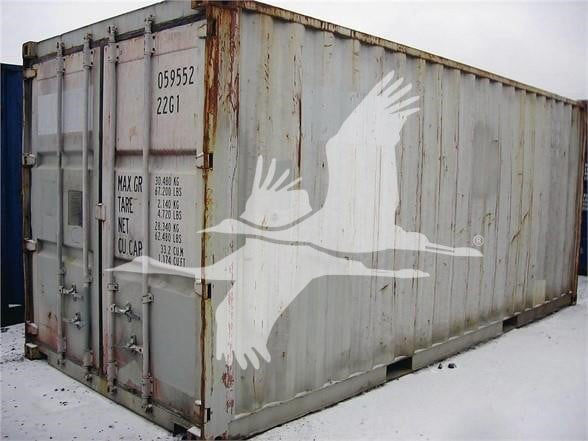
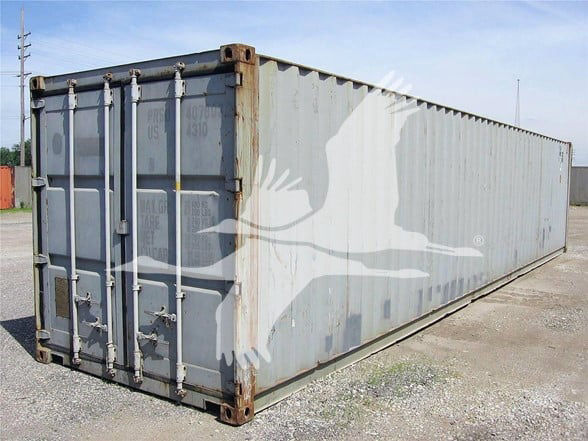
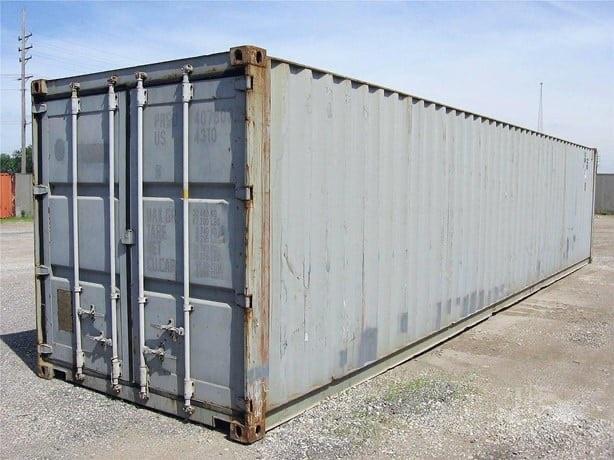
On the container side, common specs include steel construction, wood floors, standard widths of 8 feet or 8 feet 6 inches, and heights ranging from standard height to high-cube. Domestic 53-foot containers are popular for regional freight, transload operations, and drop storage because they offer more cubic capacity than 40-foot international boxes. Many single-use or one-way domestic containers are marketed as used, but they often show much less wear than older fleet units. Floor condition, door seal integrity, corner castings, crossmember corrosion, roof dents, and fork pocket damage are the areas that usually separate a clean container from one that will need immediate repair.
If the equipment is intended for highway use, inspect compliance items before anything cosmetic. On a chassis, that means brakes, tires, lights, ABS, suspension type, frame rust, slider operation, and the condition of the locking pins and twist locks. On a container that will be moved loaded, pay attention to floor rating, gooseneck tunnel design on 53-foot domestic units, CSC data if applicable, and whether the doors rack or bind under load. For storage applications, wind and water tight condition is often the main threshold, but buyers should still look closely at floor soft spots, patched sidewalls, and evidence of prior cargo contamination.
The best used container equipment match depends on how often it moves and what handles it. Rail-served freight operations may prioritize intermodal compatibility and terminal acceptance. Local fleets may care more about cubic capacity and yard durability. Construction, retail overflow, agriculture, and industrial users often focus on secure storage, easy placement, and structural soundness over appearance. A good used container trailer or container should fit the freight, the route, the loading method, and the facility restrictions without creating extra repair or repositioning cost.
Frequently Asked Questions about Used Container Trailers
What is the difference between a container trailer and a shipping container?
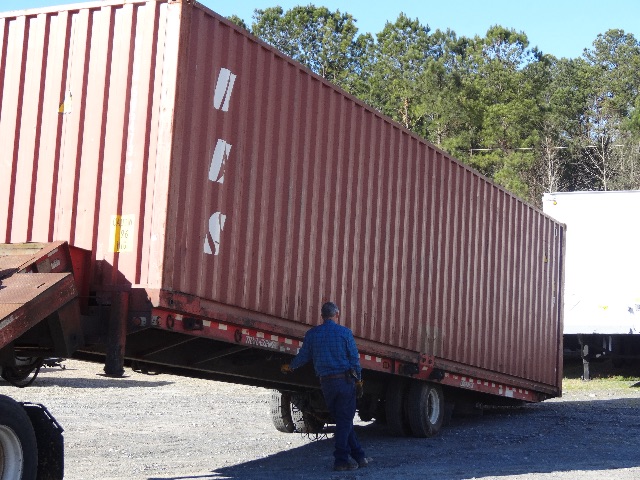
A container trailer usually refers to a chassis designed to haul a container on public roads, while a shipping container is the box itself. The chassis has axles, brakes, lighting, a kingpin, and twist locks. The container is the steel cargo body, commonly in 20-foot, 40-foot, or 53-foot lengths. Buyers should verify which one is being offered because the category often includes both.
Are 53-foot domestic containers the same as 40-foot ISO containers?
No. A 53-foot domestic container is longer and typically wider in usable interior space than a 40-foot ISO container, which gives it more cubic capacity for domestic freight. Domestic boxes are common in North American truckload and intermodal networks, while 20-foot and 40-foot ISO containers are built around international shipping standards. Compatibility with rail ramps, chassis, and handling equipment should be confirmed before purchase.
What should I inspect first on a used container?
Start with structural and weather-related issues. Check the roof for dents or punctures, the floor for rot or delamination, the door frame for racking, the seals for daylight or water intrusion, and the corner castings for damage. Corrosion on crossmembers, lower rails, and door hardware can turn a low-cost container into a repair project quickly. If the unit will be moved loaded, floor rating and overall frame integrity matter just as much as watertight condition.
What makes a used container chassis roadworthy?
Roadworthy condition comes down to legal and mechanical readiness. Inspect the brakes, tires, hubs, lights, ABS system, suspension, frame condition, landing gear, slider function if equipped, and all twist locks or securement points. Kingpin location and axle spacing should also match the container size and the lanes the trailer will run. A chassis that looks serviceable in the yard can still create compliance or maintenance problems on the road if these items are neglected.
Is a single-use or one-way container considered used?
Yes. A single-use or one-way container is typically built overseas, loaded once, and then sold after that initial trip, so it is classified as used even though wear is usually minimal. These containers often appeal to buyers who want cleaner doors, straighter panels, and better floors than older retired fleet containers. They generally cost more than heavily used storage boxes, but they can reduce repair needs and extend service life.