
Used 2010 Container Trailers For Sale
Browse used 2010 container trailers and containers, including common 40-foot and domestic specs, structural features, and buying considerations.
Selling a used 2010 container trailer? List your used 2010 container trailer for sale and reach thousands of commercial buyers.
Used 2010 Container Trailers
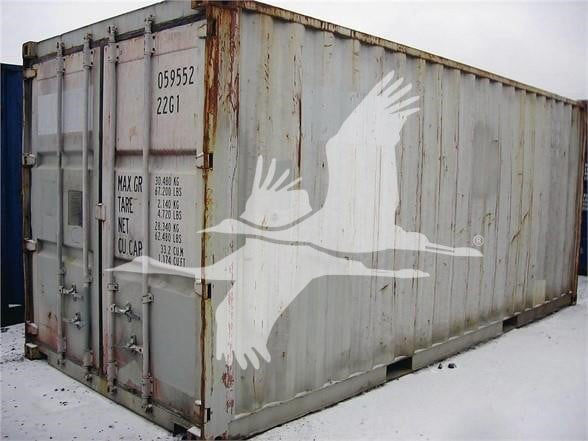
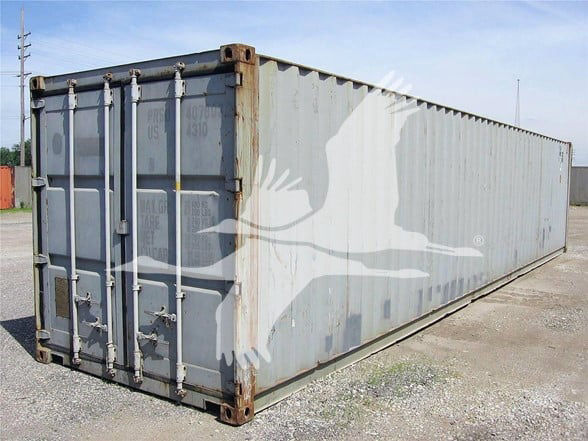
The most common sizes in this category are 40-foot ISO containers and 53-foot domestic containers, with dry freight units far more common than refrigerated equipment. A 40-foot container is often chosen for export, secure ground storage, and yard use because it stays compatible with standard lifting and stacking practices. A 53-foot domestic container is geared toward North American intermodal service and usually offers more cube for retail, consumer goods, and palletized freight. Buyers comparing these two formats should confirm overall dimensions, cubic capacity, floor rating, and whether the unit is intended for stack, rail, or static storage duty.
Construction details make a big difference on used 2010 container equipment. Steel wall and roof panels, hardwood or laminated oak floors, gooseneck tunnels on domestic units, reinforced crossmembers, and intact door hardware all affect value and usability. If the container will be moved loaded, inspect the top and bottom corner fittings, side rail integrity, and any evidence of prior impact from yard handling equipment. For storage use, water tightness is usually the first priority, so door gasket condition, roof bow straightness, and visible patch repairs deserve close review. Surface rust is common on older units, but heavy scale, bent rails, and uneven floor structure can point to more serious fatigue.
A smart buyer should match the container or container trailer to the actual handling environment. Units used in ports, rail ramps, and high-turn yards need solid lifting points and predictable structural geometry. Containers headed to farms, construction sites, or permanent storage often need less intermodal compliance but still benefit from sound floors, secure locking bars, and minimal door drag. If the listing is described as a container trailer, confirm whether you are buying a storage container, an intermodal container, or a roadable chassis-related setup, because terms are often used loosely in the market. On 2010 used equipment, a careful inspection of frame condition, floor strength, and door operation usually tells more than paint or cosmetic presentation.
Frequently Asked Questions about Used 2010 Container Trailers
What should I inspect first on a used 2010 container trailer or container?
Start with the structure. Check the corner castings, crossmembers, bottom side rails, door frame, and floor for corrosion, impact damage, and sagging. Open and close both doors fully to verify alignment, hinge condition, locking bar operation, and gasket seal. If the unit is intended for loaded handling, inspect the lifting points and look for signs the box is out of square, because door fit and structural geometry are strong indicators of overall condition.
What is the difference between a 40-foot container and a 53-foot domestic container?
A 40-foot container is an ISO-style unit commonly used in port and export service, and it is also popular for secure storage. A 53-foot domestic container is built for North American intermodal freight and provides more interior cube for palletized cargo. Domestic containers typically include features such as a gooseneck tunnel and are designed around rail and highway freight networks rather than international vessel standards.
Are used 2010 containers still good for storage?
Yes, many are still very useful for storage if the structure is sound and the unit is weather tight. For storage duty, the key issues are roof integrity, floor condition, door seal quality, and whether the doors open without excessive binding. Cosmetic rust and worn paint are common on older equipment, but leaks, soft floors, and badly distorted door frames are much more serious problems.
Can a used 2010 container still be used in intermodal service?
It depends on its certification status, structural condition, and the specific service requirements. Some older containers remain suitable for domestic rail or yard use, while others are better suited to static storage or limited local handling. Buyers should verify any required compliance markings, confirm that the corner fittings and understructure remain sound, and make sure the unit matches the intended drayage, rail, or stacking application.
Why do floor rating and crossmember condition matter on used containers?
Floor rating and crossmember condition determine how well the container can handle forklift traffic, concentrated pallet loads, and repeated loading cycles. A container with solid flooring but weakened crossmembers can still fail under real-world use. On older equipment, inspect for crushed areas, patched sections, delamination, and rust around fasteners and supports, especially in the main travel path where forklifts enter and turn.