
Used General Container Trailers For Sale
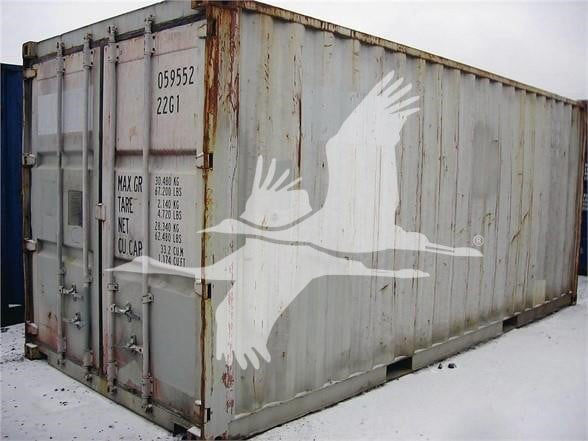
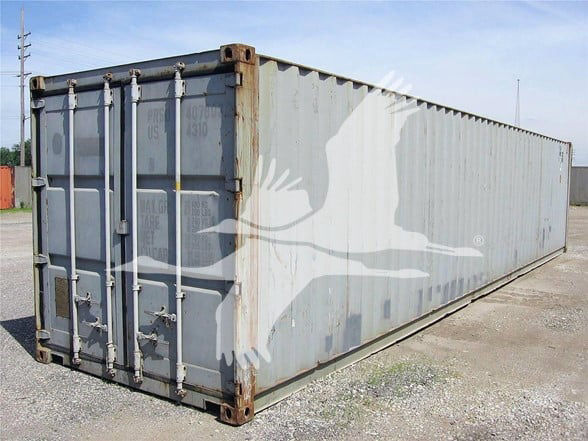
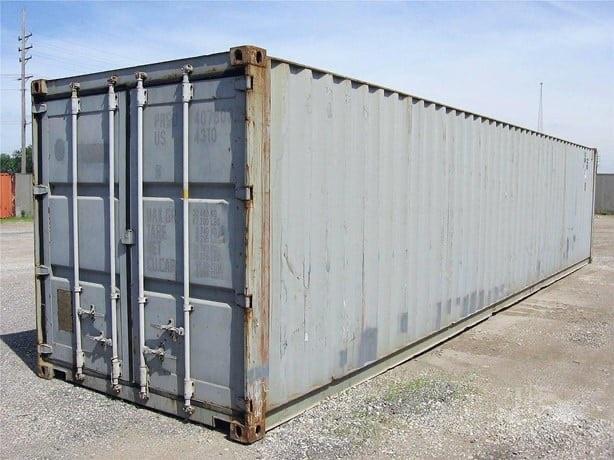
Shop used General container trailers and storage containers, including common 20-foot and 40-foot sizes for freight, storage, and jobsite use.
Selling a used general container trailer? List your used general container trailer for sale and reach thousands of commercial buyers.
Used General Container Trailers
For buyers using these units as storage containers, door function and weather resistance are usually the first checkpoints. Container doors should open squarely, lock securely, and seal tightly along the gasket surfaces. The floor is commonly marine-grade wood over steel crossmembers, so inspect for soft spots, delamination, chemical contamination, and forklift damage near the entry. Roof condition is equally important because dents can hold water and eventually lead to leaks. Vent placement, interior odors, patch repairs, and signs of prior cargo residue also tell you a lot about how the unit was used. If the container will be moved regularly, confirm that the corner fittings remain sound enough for lifting and securement.
If the application is transport rather than static storage, compatibility is the bigger issue. Container chassis, also known as intermodal chassis, must match the container length and intended load. Buyers should verify ISO compliance, tare weight, payload needs, and whether the unit has current certification if it will stay in active freight service. A used 40-foot container may be ideal for warehousing overflow, construction tools, agricultural supplies, or export staging, but legal hauling, chassis fit, and loading method all need to line up. Forklift access, ground conditions, and unloading equipment should be considered before choosing a standard-height or high-cube style when available.
General-branded used container units appeal to buyers who want a straightforward steel box with standardized dimensions and broad utility. The real value is in buying the right grade for the job. A wind-and-water-tight unit may be enough for basic storage, while cargo-worthy or export-ready condition is the better choice for repeated moves or international use. For most buyers, the smartest comparison points are size, door condition, floor integrity, structural straightness, and how much repair history is visible around the rails, corners, and roof panel seams.
Frequently Asked Questions about Used General Container Trailers
What is the difference between a 20-foot and 40-foot used container?
A 20-foot container is typically chosen for heavier loads, tighter placement areas, and jobs where smaller footprint matters. A 40-foot container offers much more cubic capacity and is better for lighter, bulkier freight or large-volume storage. The right choice usually comes down to site space, loading equipment, cargo density, and how often the container will be moved.
What should I inspect first on a used container trailer or storage container?
Start with the structure. Check the corner castings, main rails, crossmembers, roof, floor, and door frames for damage, distortion, and past repairs. Then inspect the doors for proper alignment and sealing, and look for leaks, standing water marks, soft flooring, and corrosion around welded seams. Cosmetic wear is normal on used units, but structural issues can affect safety, stackability, and weather resistance.
What does wind-and-water-tight mean on a used container?
Wind-and-water-tight generally means the container is structurally enclosed and resists normal weather intrusion, making it suitable for storage use. It does not always mean the unit is cargo-worthy, recently certified, or ideal for repeated over-the-road or export service. Buyers planning to ship loaded containers should confirm the exact condition standard and any current certifications rather than relying only on a storage-grade description.
Can a used container be hauled on any chassis?
No. The chassis has to match the container length, twist-lock locations, and the intended load. A 20-foot container and a 40-foot container require the correct intermodal chassis setup, and weight distribution matters as much as fit. Before transport, buyers should also confirm legal axle weights, tare weight, payload, and whether the receiving site has the equipment needed to load or unload the container safely.
Are used General containers a good choice for storage applications?
They can be a practical choice when the unit has solid doors, a sound floor, and a dry roof. For storage use, standard ISO dimensions make planning easier for placement, shelving, and access. The best results come from matching the condition grade to the job, because a basic used unit may work well for tools, parts, or seasonal inventory, while sensitive materials may require a cleaner, tighter container with fewer prior repairs.