
Clark Trailers For Sale
Shop Clark trailers for sale, including flatbeds with steel construction, air ride, sliding tandems, stake pockets, winches, and wood decks.
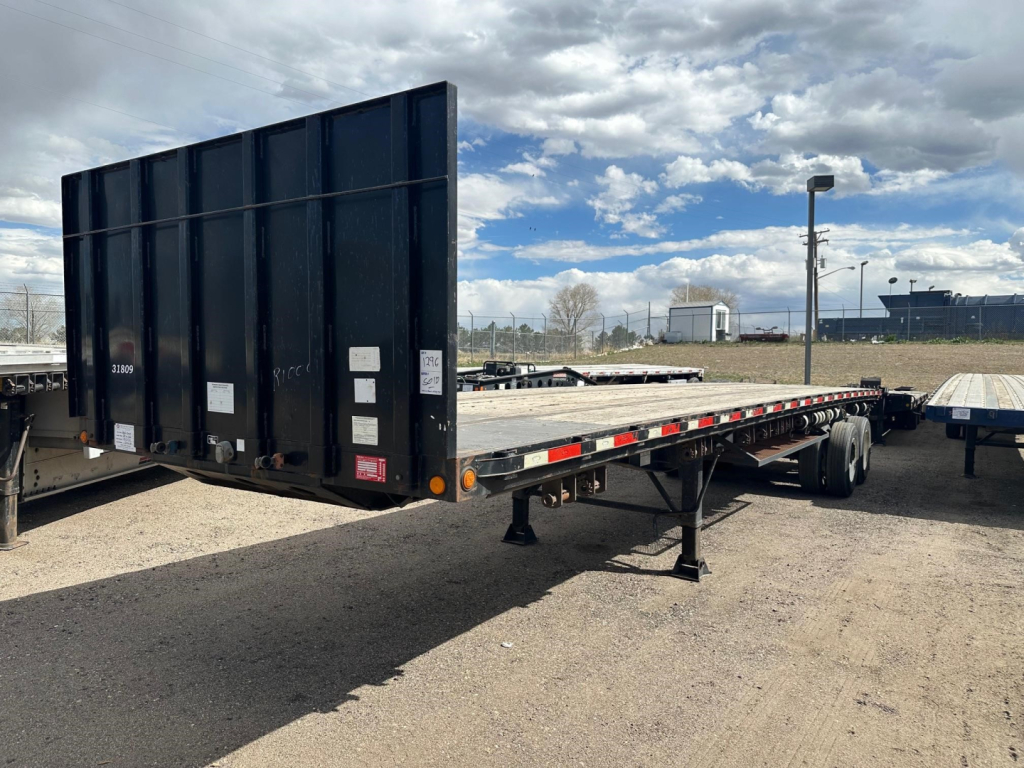
Selling a clark trailer? List your clark trailer for sale and reach thousands of commercial buyers.
Clark Trailers
For a buyer comparing used Clark trailers, the deck and securement package usually matter more than brand name alone. A wood floor is easier to repair in sections and remains common on flatbeds that see mixed cargo. Stake pockets, pipe spools, sliding winches, side rails, and bulkheads are all practical features that affect how quickly a trailer can be loaded and how many load types it can legally and safely handle. If the trailer will spend time hauling coils, pipe, or heavier concentrated freight, inspect the deck condition, crossmember spacing, main beam integrity, and any signs of concentrated wear around securement points.
Suspension and axle configuration also deserve close attention. Many Clark trailers in this class use air ride suspension with a sliding tandem, which gives the operator flexibility on bridge law compliance, kingpin-to-rear-axle settings, and load distribution. Low-profile 22.5 tires are common on some flatbeds and can help with loaded deck height, but tire size should be considered alongside replacement cost, wheel type, and your regional service support. Closed tandem setups, landing gear condition, brake life, and slider operation are all worth checking on a used trailer that will be expected to turn regularly and stay compliant.
Clark trailers generally appeal to buyers looking for a practical platform instead of specialized complexity. On a used flatbed, the real value comes from structural condition, prior freight history, maintenance consistency, and whether the trailer already has the securement hardware your operation uses every day. A well-kept Clark flatbed with solid steel structure, clean air ride suspension, good rubber, and usable deck life can be a cost-effective choice for general freight service.
Frequently Asked Questions about Clark Trailers
What types of Clark trailers are most commonly found on the used market?
Clark trailers commonly appear as flatbed trailers on the used market, often in standard 48-foot by 102-inch configurations. Many are equipped with steel frames, wood decks, tandem axles, and freight securement features like stake pockets, pipe spools, and sliding winches. That makes them relevant for general commodity hauling rather than highly specialized freight applications.
What should I inspect first on a used Clark flatbed trailer?
Start with the structural components and load surface. Check the main beams, crossmembers, side rails, bulkhead, and rear structure for cracks, repairs, corrosion, or signs of overloading. Then inspect the wood deck for rot, broken boards, soft spots, and wear around tie-down points. After that, review suspension condition, axle alignment, slider function, brakes, tires, wheels, and landing gear, since those items affect both operating cost and DOT readiness.
Are Clark flatbed trailers suitable for general freight?
Yes. A Clark flatbed with a standard 48-foot deck, 102-inch width, wood floor, and common securement hardware is well suited for general freight such as steel, lumber, equipment, building materials, and palletized products. The exact fit depends on deck condition, weight rating, and the number and placement of tie-down points, but the platform itself is typically versatile enough for mixed freight service.
Why does a sliding tandem matter on a Clark trailer?
A sliding tandem gives the operator flexibility in axle positioning to help manage bridge law requirements, weight distribution, and kingpin settings. That matters when freight weight changes from load to load or when routes include states with stricter axle spacing concerns. On a used trailer, the slider should move properly, lock securely, and show no excessive wear in the rail or pin system.
Is air ride suspension preferable on a used Clark trailer?
Air ride suspension is often preferred for flatbed service because it can provide a smoother ride for cargo and can reduce shock transfer compared with spring ride setups. It is especially useful when hauling machinery, finished products, or loads that need better ride quality. The tradeoff is that buyers should inspect airbags, valves, lines, and suspension components carefully, since deferred maintenance in the air system can lead to downtime and added repair expense.