
New CIMC Trailers For Sale
Shop new CIMC trailers including reefer vans and refrigerated containers built for thermal efficiency, corrosion resistance, and fleet durability.
Learn moreNo exact matches found for your search
Showing New Trailers instead.
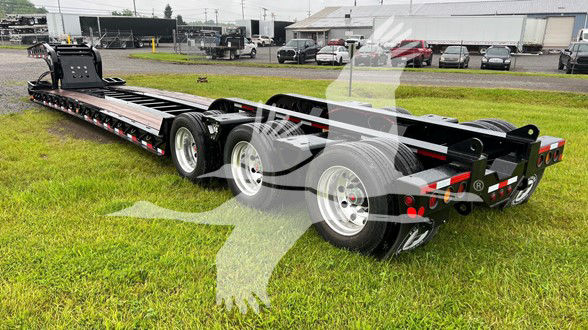
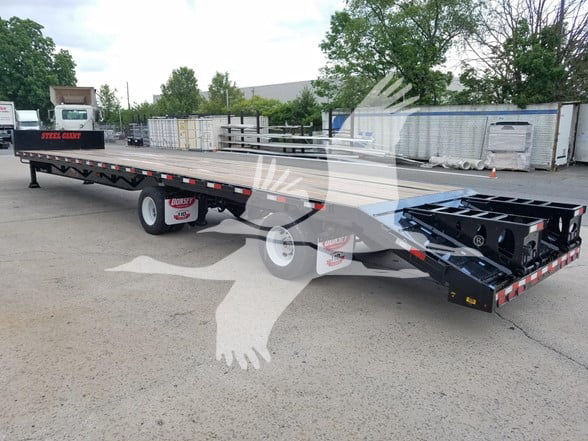
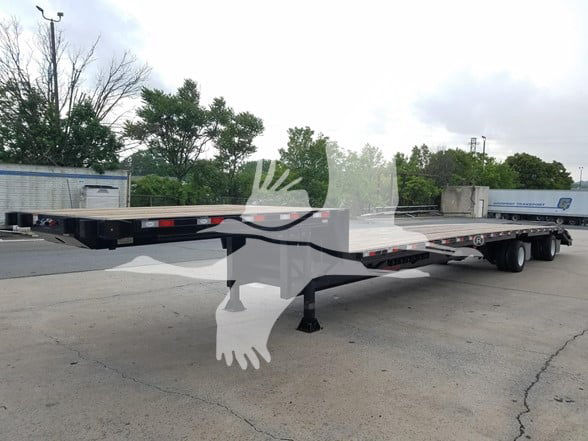
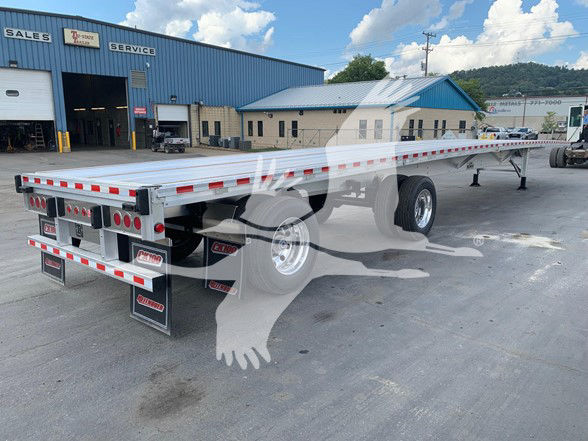
Showing 685 to 696 of 857 results
Have new cimc trailer to sell? List it here to reach thousands of buyers.
About New CIMC Trailers
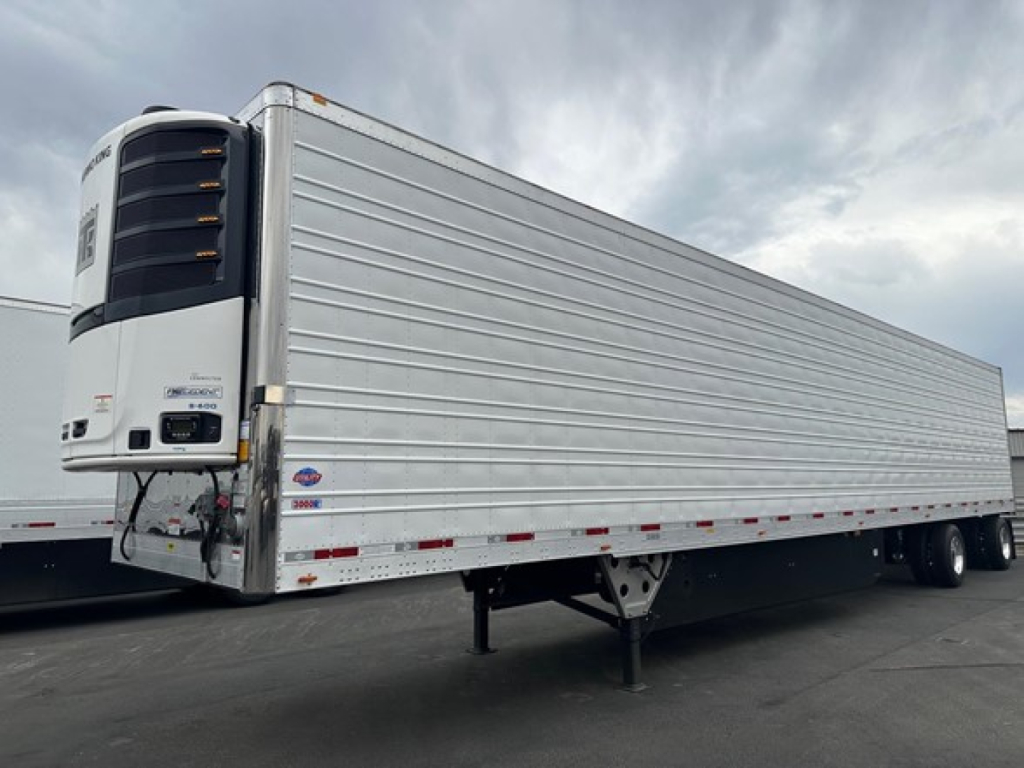
For reefer applications, common configurations include tandem axle layouts, 102-inch width, air ride suspension, and 53-foot overall length. Many buyers also look for heavy duty duct floors, swing doors, E-track, rub rails, and tire inflation systems because those details affect daily loading, temperature airflow, and tire-related downtime. A duct floor helps maintain air circulation under the load, which matters when carrying palletized produce, frozen foods, dairy, pharmaceuticals, or other temperature-sensitive freight. Fixed axle setups are common on standard road specs, while wheel, lining, and rear frame choices should be reviewed based on route conditions and dock frequency.
Corrosion resistance is a major buying point on new CIMC trailers, particularly for fleets operating in northern climates, coastal regions, or heavy de-icing environments. Galvanized steel in crossmembers and other high-exposure areas can reduce repainting and slow structural deterioration compared with trailers that rely more heavily on coated mild steel. That matters on refrigerated equipment because the trailer body, floor system, and door assembly all need to stay tight and square to protect thermal efficiency. A reefer trailer that holds temperature with less unit run time can support fuel savings, lower wear on the refrigeration system, and better cargo protection during multi-stop service.
If you are comparing new CIMC trailers against other fleet brands, pay attention to the complete operating package rather than the base price alone. Interior width and cubic capacity, floor rating, lining package, tire system, rear impact protection, door hardware, and reefers' compatibility with your preferred refrigeration unit all affect long-term value. For refrigerated containers, the decision often comes down to stationary cold storage needs, intermodal handling requirements, and how much trailer-style insulation and weight savings matter to your operation. CIMC is well known across vans, flatbeds, chassis, containers, and refrigerated equipment, so buyers looking at this category are usually evaluating a trailer platform intended for repeatable fleet service rather than a one-off spec.
Frequently Asked Questions
What types of new CIMC trailers are most common in this category?
The most common new CIMC trailers in this category are refrigerated trailers, also called reefer vans, along with refrigerated containers. Reefer vans are designed for over-the-road temperature-controlled freight and are typically built in 53-foot tandem axle configurations with 102-inch width. Refrigerated containers are more specialized and are often used for stationary cold storage, site support, or operations that need container-style handling with insulated, temperature-controlled construction.
What should buyers compare when shopping for a new CIMC reefer trailer?
The most important comparison points are insulation performance, tare weight, floor construction, suspension, corrosion protection, and cargo control features. Buyers should also review whether the trailer has a duct floor, E-track, swing doors, tire inflation system, aluminum or steel wheel package, and galvanized structural components. Those details affect temperature consistency, maintenance cost, ease of loading, and how well the trailer holds up in multi-stop distribution or seasonal produce service.
Why does galvanization matter on a refrigerated trailer?
Galvanization matters because reefer trailers operate in harsh environments where moisture, road salt, wash chemicals, and temperature cycling accelerate corrosion. Galvanized crossmembers and other exposed steel components can help extend service life and reduce cosmetic and structural deterioration. For fleets in the Midwest, Northeast, and other heavy winter road treatment regions, corrosion resistance is not just an appearance issue. It directly affects long-term maintenance planning and resale value.
Is a heavy duty duct floor important on a reefer van?
A heavy duty duct floor is important for many refrigerated operations because it supports airflow beneath the cargo while also handling repeated forklift traffic. Proper airflow is essential to maintaining even box temperatures, especially with tightly loaded pallets. A stronger floor also helps the trailer stand up to grocery, foodservice, and high-cycle distribution work where concentrated pallet weights and constant loading can shorten the life of a lighter floor system.
Are CIMC refrigerated containers a good alternative to a reefer trailer?
They can be, but the right choice depends on the application. A refrigerated container is a strong option for fixed-location cold storage, yard staging, or operations that need container handling flexibility. A reefer trailer is generally the better fit for over-the-road freight movement, dock loading, and standard tractor-trailer operations. Buyers should decide based on mobility needs, loading environment, refrigeration duty cycle, and whether the equipment will spend more time moving freight or serving as cold storage capacity.