
BWS Trailers For Sale in Ohio
Have bws trailer to sell? List it here to reach thousands of buyers.
BWS Trailers in Ohio
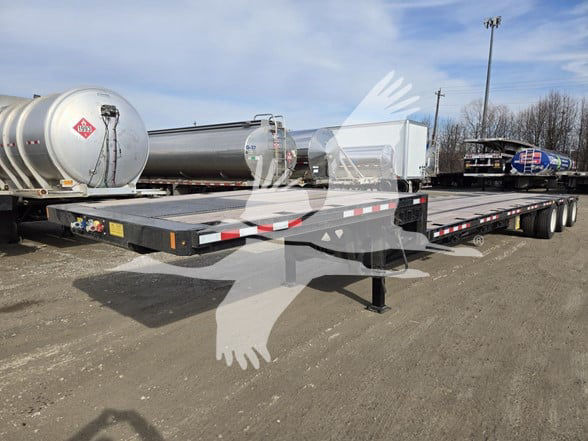
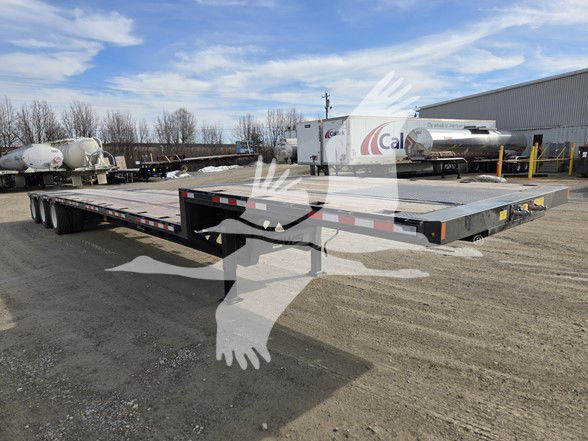
One of the main buying points on a BWS trailer is the structure under the deck. Many are spec'd with steel channel side rails, 4-inch I-beam crossmembers on close centers, and 1 1/8-inch Apitong flooring for durability under forklifts, concentrated point loads, and frequent securement work. Buyers hauling steel coils or dense machinery should pay attention to beam ratings, coil package equipment, and the number and layout of chain slots, stake pockets, and sliding winches. Features like 15 pairs of 4-way chain slots, roadside winch tracks, double pipe spools, and coil package reinforcement are not cosmetic options. They directly affect how quickly the trailer can be loaded, secured, and turned back around for the next job.
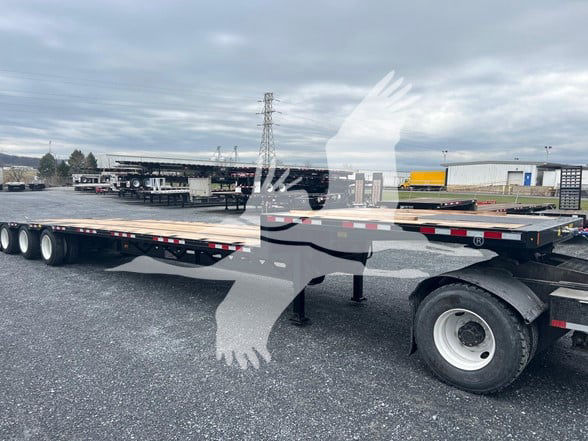
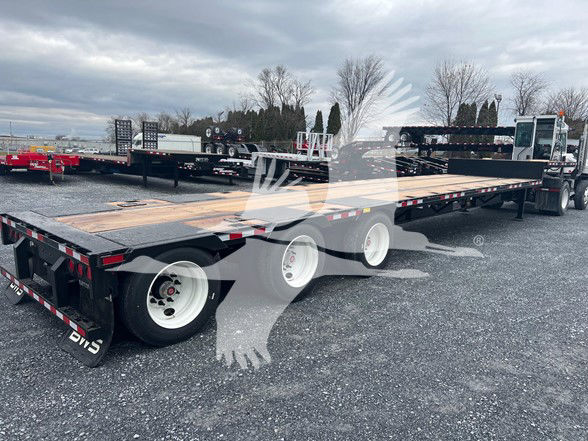
Axle configuration matters on BWS drop decks because many are built as tri-axle trailers with a center lift axle, air ride suspension, and dump valve controls. That setup can help with weight distribution, bridge compliance, and tire wear, especially for operators running heavier legal payloads or regional oversize work. Common specs include Ridewell air ride, 61-inch axle spacing, 18-inch kingpin settings, two-speed landing gear, and 22.5-inch rubber on steel wheels. If the trailer will spend time on uneven yards, job sites, or industrial plants, suspension quality, swing clearance, and rear axle positioning deserve close attention because they affect maneuverability and deck stability under load.
For buyers comparing BWS trailers for sale, the real question is how the trailer's spec matches the freight. A basic steel drop deck can cover general open-deck work, but a properly optioned BWS trailer is better suited for heavier commodity hauling where tiedown flexibility and frame strength matter every day. Check deck height, empty weight, GVWR, axle layout, coupler plate thickness, lighting package, and securement hardware before focusing on price alone. On this brand, the details in the spec sheet usually tell you exactly what kind of work the trailer was built to do.
Frequently Asked Questions about BWS Trailers in Ohio
What are BWS trailers commonly used for?
BWS trailers are commonly used for heavy-duty open-deck hauling, especially in drop deck, step deck, and specialized applications. They are a strong fit for hauling construction equipment, fabricated steel, coils, lumber, machinery, and other dense or oversized freight that requires a lower deck height and robust securement points. Many buyers choose BWS when they need a trailer that can handle repeated heavy loading cycles without sacrificing structural durability.
What should I look for when buying a BWS drop deck trailer?
The most important items are deck dimensions, deck height, axle configuration, frame construction, and securement equipment. Buyers should review beam ratings, crossmember spacing, flooring material such as Apitong, side rail design, kingpin setting, and whether the trailer includes a coil package, chain slots, pipe spools, and sliding winches. On a tri-axle setup, suspension brand, lift axle function, and dump valve controls also matter because they affect weight distribution and daily operating flexibility.
Are tri-axle BWS trailers better for heavy freight?
A tri-axle BWS trailer is often a better choice for heavier legal loads because the additional axle can improve weight distribution and help the trailer match state bridge and axle requirements more effectively. A center lift axle can also give operators flexibility when running empty or lightly loaded, which may help reduce tire scrub and operating costs. The benefit depends on the freight profile and the states the trailer will run through, so axle layout should always be matched to the intended hauling pattern.
Why is Apitong flooring common on BWS trailers?
Apitong is widely used on heavy-duty trailers because it holds up well under concentrated loads, repeated forklift traffic, and harsh weather exposure. On a BWS trailer, a 1 1/8-inch Apitong floor adds durability and gives buyers a proven surface for machinery, steel, and palletized freight. It is a practical spec for operators who need a wood floor that stands up to real jobsite and industrial use rather than occasional light hauling.
Do BWS trailers typically come with securement features for steel and machinery?
Many BWS trailers are equipped with securement features designed for demanding freight, including multiple pairs of 4-way chain slots, stake pockets, sliding winches, winch tracks, and pipe spools. Some also include coil package reinforcement for concentrated steel loads. These features matter because they expand the range of freight the trailer can legally and efficiently secure, and they reduce the need for aftermarket modifications after purchase.