
Armor Lite Trailers For Sale
Showing 49 to 49 of 49 results
Have armor lite trailer to sell? List it here to reach thousands of buyers.
Armor Lite Trailers
On the dump side, Armor Lite skeleton-style dumps are aimed at moving a useful payload while keeping the trailer uncomplicated and serviceable. Common specs include 23.5 cubic yard bodies, air ride or spring ride suspensions, drum brakes, electric flip tarp systems, aluminum fenders, and lift axle options on tri-axle versions. A 40-foot tandem can make sense for fleets trying to balance lower empty weight with straightforward maintenance, while a 42-foot tri-axle air ride setup is better suited to operations that need axle flexibility, smoother ride characteristics, or load distribution advantages. Buyers should look closely at side height, hopper opening dimensions, tarp system brand, axle spread, and suspension spec because those details affect payload, unloading performance, and how well the trailer matches local bridge and axle regulations.
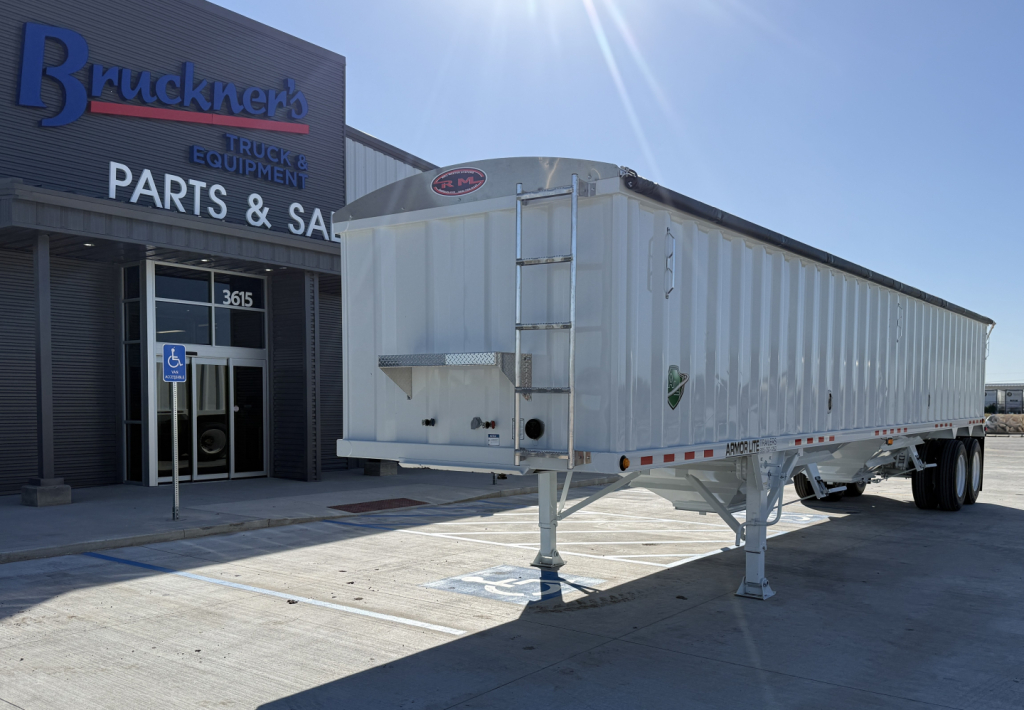
Armor Lite grain hoppers are typically configured for farm and regional commodity work, with details that matter in harvest and shuttle service. Common examples include 40-foot steel hoppers with 70-inch sides, spring suspension, manual or electric tarp systems, sealed wiring harnesses, aluminum ladders, catwalks, ag-style hopper traps, and capacities in the range of roughly 1,400 cubic feet or around 1,150 bushels depending on commodity and exact build. For grain buyers, trap size, gate design, tarp ease of use, sidewall height, and landing gear spec are practical checkpoints. Steel construction can appeal to buyers who prioritize purchase price and durability in rough field-to-elevator service, but tare weight, corrosion exposure, and the trailer’s prior commodity history still deserve close attention.
When comparing Armor Lite trailers for sale, focus less on model year alone and more on the working spec sheet. Suspension type affects ride quality and maintenance pattern. Axle count changes legal payload strategy and tire expense. Tarp setup affects cycle time and driver convenience. Tire size, wheel material, ABS configuration, and lighting harness quality all influence long-term operating cost. Armor Lite trailers tend to fit buyers who want a no-nonsense bulk trailer for dump or grain work, and the right choice usually comes down to matching body style and running gear to the exact material, roads, and seasonal demands of the job.
Frequently Asked Questions about Armor Lite Trailers
What types of trailers does Armor Lite commonly build?
Armor Lite is commonly found in dump trailer and grain hopper trailer applications. In the resale and new-trailer market, buyers often see skeleton-style dump trailers for aggregate, dirt, and other bulk materials, along with steel grain hoppers for agricultural commodities such as corn, beans, feed, and fertilizer. The exact spec can vary by region and dealer order, but these trailers are generally aimed at bulk hauling where low empty weight and practical, serviceable construction matter.
Is spring ride or air ride better on an Armor Lite trailer?
The better suspension depends on the work. Spring ride is usually simpler and can be attractive to buyers focused on lower upfront cost and straightforward maintenance. Air ride generally offers a smoother ride and can be a better fit for operations that want improved load protection, driver comfort, or certain axle management features such as a lift axle on a tri-axle dump. The real decision should be based on haul distance, road conditions, service preferences, and how sensitive the commodity is to vibration or harsh ride characteristics.
What should I check first on an Armor Lite dump trailer listing?
Start with body length, axle configuration, suspension type, cubic yard rating, and tarp setup. Those items tell you most of what you need to know about payload strategy and job fit. After that, confirm brake type, tire size, wheel material, liner or board setup if equipped, and whether the trailer has features such as bolt-on fenders or a rear lift axle. On a used unit, structural condition around the hoist area, hinge points, crossmembers, and body seams is more important than cosmetics.
What matters most when buying an Armor Lite grain hopper?
Capacity, trap design, side height, and tarp operation are the major buying points. A hopper trailer may look right on paper, but discharge speed and ease of use at the elevator depend heavily on hopper dimensions and gate setup. Buyers should also verify ladder and catwalk condition, landing gear, wiring quality, suspension spec, and the trailer’s tare weight. If the trailer has been used in fertilizer service or other corrosive applications, inspect the substructure, hopper slopes, and hardware carefully for accelerated wear.
Are Armor Lite trailers a good fit for agricultural and regional bulk hauling?
Yes. Armor Lite trailers are commonly spec'd for ag and regional bulk work where operators want a practical trailer with competitive empty weight and familiar running gear. Dump models can fit feed, silage, dirt, gravel, and other loose material jobs, while hopper models are well suited to grain and farm commodity service. The best fit comes from choosing the right length, axle count, suspension, and unload configuration for the roads, seasons, and commodity densities your operation handles.