
New 2027 Armor Lite Trailers For Sale in Kansas
Shop new 2027 Armor Lite trailers for sale, including dump and hopper models with lightweight specs, ag-ready options, and durable construction.
Learn more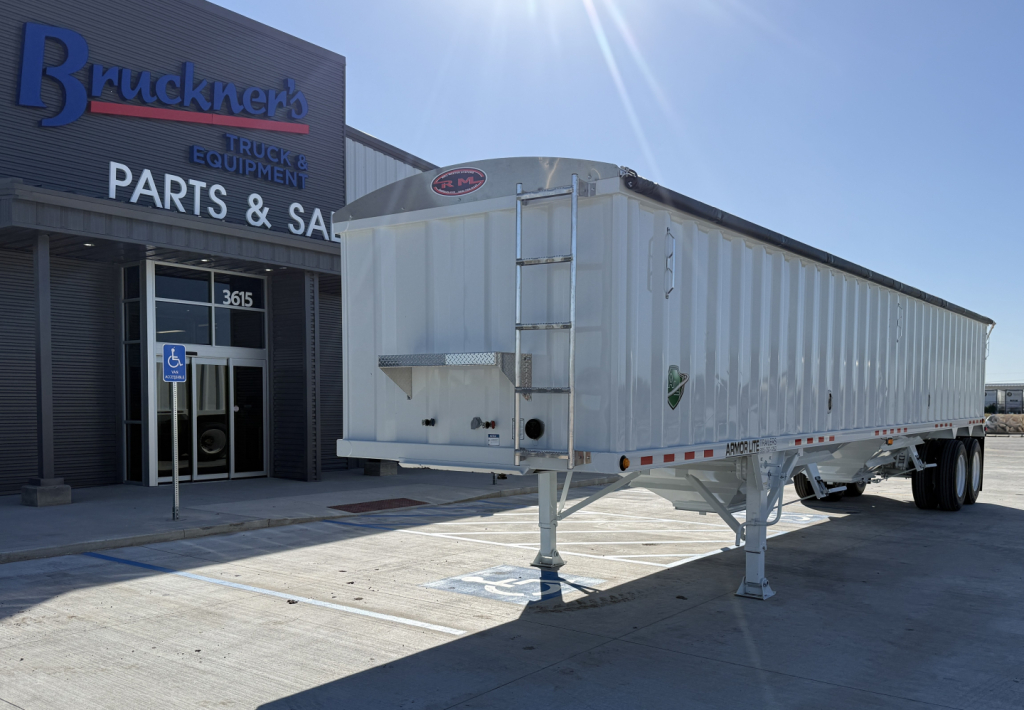
Showing 13 to 13 of 13 results
Have new 2027 armor lite trailer to sell? List it here to reach thousands of buyers.
About New 2027 Armor Lite Trailers in Kansas
On the dump side, Armor Lite trailers are commonly spec'd in lightweight steel or steel-bodied configurations with features that support fast turnaround at pits, elevators, and job sites. Buyers should pay close attention to tub length, overall length, cubic yard capacity, side height, and gate design. Listings in this class show details like 32-foot tubs, 40-foot lightweight bodies, hard Ox steel tubs, high-lift gates, self-shedding top rails, and electric flip tarp systems. Those are practical features, not cosmetic ones. Hard-wearing tub material helps resist abrasion in rock and chunk material, while a high-lift gate and tarp setup can improve unloading control and reduce time between loads. Suspension is another key choice. Spring ride remains common for operators who want simplicity, low maintenance cost, and broad serviceability.
On the hopper side, Armor Lite grain trailers are typically aimed at agricultural hauling, with common dimensions around 40 feet long and 96 inches wide. Capacity matters, but so does discharge design. Buyers should look at cubic feet, bushel rating, hopper opening size, tarp style, ladder and catwalk layout, and the trailer's empty weight relative to legal payload goals. Sample specs in this category include 24-inch by 24-inch ag hoppers, 1,400-plus cubic foot capacity, and bushel ratings suited for grain and farm commodity work. Features like manual roll tarps, aluminum ladders, catwalks, sealed wiring harnesses, and LED lighting are standard-use items that affect day-to-day uptime more than brochure appeal. Two-speed landing gear and conventional 11R24.5 rubber on steel wheels also fit the practical, serviceable theme many farm and rural haulers prefer.
For a buyer comparing new Armor Lite trailers, the real decision usually comes down to application, tare weight, and maintenance philosophy. A dump trailer spec should match material type, loading method, and frame stress over rough roads or short-haul cycles. A hopper trailer spec should match commodity density, seasonal harvest demands, and unload speed at farm or elevator. In Kansas and surrounding plains markets, spring suspension, steel wheels, tarp systems, and simple mechanical layouts continue to make sense because they are familiar, repairable, and suited to mixed rural use. The best trailer in this category is the one whose body construction, capacity, suspension, and tarp setup line up with the freight you actually haul, not just the highest advertised volume.
Frequently Asked Questions
What are the main differences between an Armor Lite dump trailer and an Armor Lite hopper trailer?
An Armor Lite dump trailer is designed for construction, aggregate, scrap, and other bulk materials that unload by raising the body. Key buying points are tub construction, cubic yard capacity, gate style, suspension, and tarp system. An Armor Lite hopper trailer is built for free-flowing agricultural commodities such as grain and feed ingredients, unloading through bottom hopper gates. Hopper buyers usually focus on cubic foot capacity, bushel rating, hopper opening size, tarp design, and empty weight.
Is spring suspension still a good choice on new trailers in this class?
Yes. Spring suspension is still a common and practical choice for dump and hopper trailers, especially in agricultural and regional haul applications. It is valued for mechanical simplicity, lower parts complexity, broad repair familiarity, and predictable maintenance cost. Air ride can improve ride quality for some applications, but many buyers still prefer spring ride when durability, serviceability, and lower upfront cost are priorities.
What specs matter most when buying a new dump trailer?
The most important dump trailer specs are body length, tub material, side height, cubic yard capacity, gate configuration, suspension type, and tarp system. Material type should drive the tub decision. Abrasive rock, chunk material, and demolition debris call for more attention to steel grade and wear resistance. Buyers should also confirm tire size, wheel type, and any gate control provisions because those details affect daily use, driver convenience, and long-term operating cost.
How do I compare grain hopper capacity across different trailers?
The cleanest way to compare grain hopper trailers is by looking at cubic feet, bushel rating, trailer dimensions, and empty weight together. A larger bushel rating may look attractive, but commodity type and legal gross weight still determine how much can actually be hauled. Hopper opening size, tarp style, ladder access, and catwalk layout also matter because they affect loading, unloading, and driver safety during harvest and daily farm use.
Are electric tarps worth it on new dump trailers?
For many dump trailer applications, yes. An electric tarp system can speed up load securement, reduce manual effort, and improve consistency when drivers are making multiple stops or working in bad weather. It is especially useful in aggregate and short-cycle hauling where covering and uncovering the body happens repeatedly throughout the day. Buyers should still consider service access, motor placement, and the durability of tarp hardware in dusty or high-use environments.