
New Aldura Trailers For Sale
Have new aldura trailer to sell? List it here to reach thousands of buyers.
New Aldura Trailers
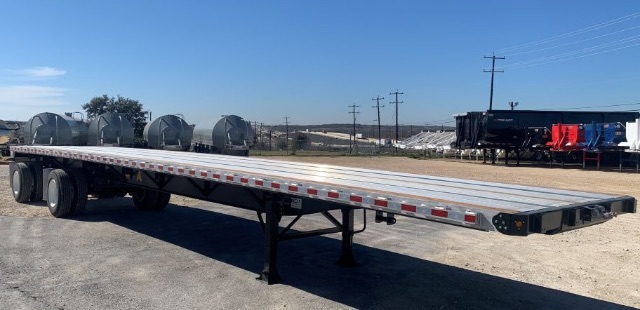
On flatbed applications, Aldura combo flatbeds are geared toward operators moving steel, building products, palletized freight, machinery, and other open-deck loads. Common specs include fabricated I-beam main rails, closely spaced crossmembers, aluminum side rails, nailer boards, stake pockets, and winch tracks or fixed winch layouts. Buyers should pay close attention to deck material, crossmember spacing, kingpin setting, loaded deck height, and suspension brand because those details affect forklift loading, securement options, and bridge-law fit. A 48-foot by 102-inch combo flatbed with aluminum flooring and apitong nailers is a common sweet spot for fleets that want corrosion resistance with enough durability for daily mixed-freight use.
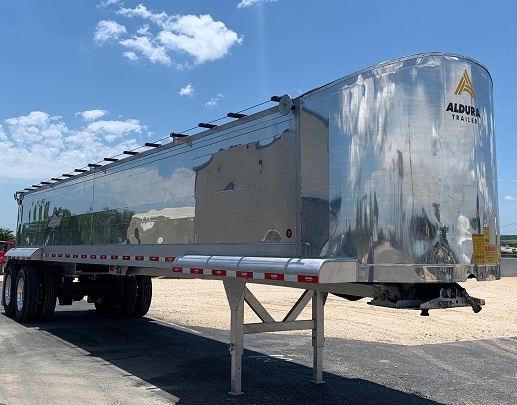
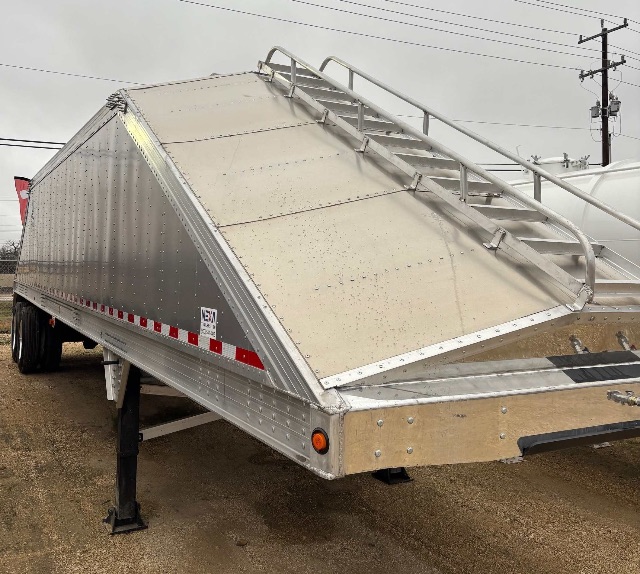
In bulk commodity work, Aldura hopper and end dump trailers are designed to keep empty weight down while handling abrasive materials and repeated dump cycles. Aluminum sand and grain hoppers often use extruded aluminum subframes, air suspension, manual or pneumatic gate systems, and sealed LED lighting harnesses to reduce maintenance exposure. End dumps in this make are commonly built with 5454 aluminum bodies, heavy-duty subframes, HYVA-style telescopic cylinders, and optional liners or tarp systems. For buyers hauling sand, gravel, grain, demolition debris, or asphalt-related material, the key checkpoints are cubic yard capacity, gate design, floor thickness, body width, center-of-gravity stability, and whether a lift axle or liner is included. Those specs tell you more about real-world suitability than brochure capacity alone.
Aldura trailers are generally attractive to owner-operators and small to midsize fleets looking for straightforward spec packages with familiar running gear from suppliers such as Meritor, Bendix, Holland, JOST, and Wabco. When comparing listings, focus on tare weight versus payload target, suspension capacity, brake package, wheel and tire size, landing gear type, and electrical system quality. On dump and hopper models, also check gate opening dimensions, coupler height, and frame design for compatibility with your tractor and material flow needs. On flatbeds, securement layout and deck configuration should match the freight you actually haul. A well-matched trailer in this category can improve legal payload, loading speed, and maintenance predictability over the life of the unit.
Frequently Asked Questions about New Aldura Trailers
What types of trailers does Aldura commonly build?
Aldura is commonly seen in flatbed, hopper, bottom-drop sand hopper, and aluminum end dump configurations. These trailer types cover a wide range of applications, from general freight and building materials to sand, grain, and aggregate hauling. The make is often associated with lightweight aluminum or combo designs that prioritize payload while still using familiar fleet components such as air ride suspensions, standard kingpin setups, and mainstream brake and ABS systems.
Are Aldura trailers a good choice for maximizing payload?
They can be a strong choice for payload-focused operations because many Aldura trailers use aluminum or combination aluminum-steel construction. Lower empty weight can translate into more legal payload, especially in bulk hauling and open-deck applications where every pound matters. Buyers still need to balance tare weight with intended use, because deck structure, floor thickness, liner options, and suspension rating all affect durability as well as payload.
What should I look for when buying a new Aldura flatbed trailer?
The most important checkpoints are overall length and width, deck height, kingpin setting, crossmember spacing, flooring material, and securement layout. A buyer hauling mixed freight should also review the number and placement of winches, stake pockets, and spool locations, along with side rail design and main beam construction. Those details affect how easily the trailer loads from docks or forklifts, how well it handles concentrated cargo, and how versatile it will be across different commodities.
What matters most on an Aldura hopper or end dump trailer?
For hopper and end dump work, capacity numbers are only part of the decision. Buyers should verify body material, floor and wall thickness, gate dimensions, suspension capacity, axle configuration, and the type of tarp, liner, and cylinder system installed. Material type also matters. Sand, grain, gravel, and demolition debris place very different demands on the body and gate system, so the correct spec is the one that matches the commodity and dump environment, not just the highest advertised cubic yard rating.
Do new Aldura trailers use standard fleet components?
Many do, and that is important for serviceability. It is common to see components from suppliers such as Meritor, Holland, JOST, Bendix, and Wabco, along with standard wheel and tire sizes and FMVSS-compliant brake systems. Using widely recognized running gear can simplify parts sourcing, technician familiarity, and long-term maintenance planning, especially for fleets that want to reduce downtime and avoid proprietary component issues.