
2028 Trailers For Sale
Compare 2028 trailers for sale by payload, axle layout, cargo requirements, and build documentation, with guidance for new and used trailer buyers.
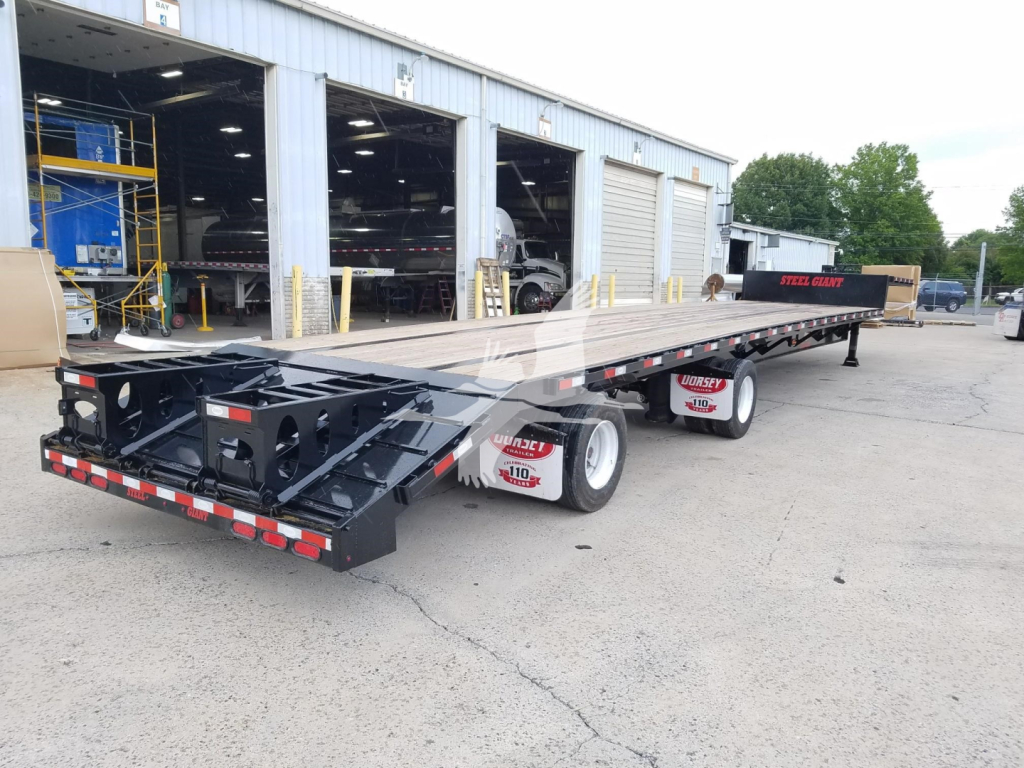
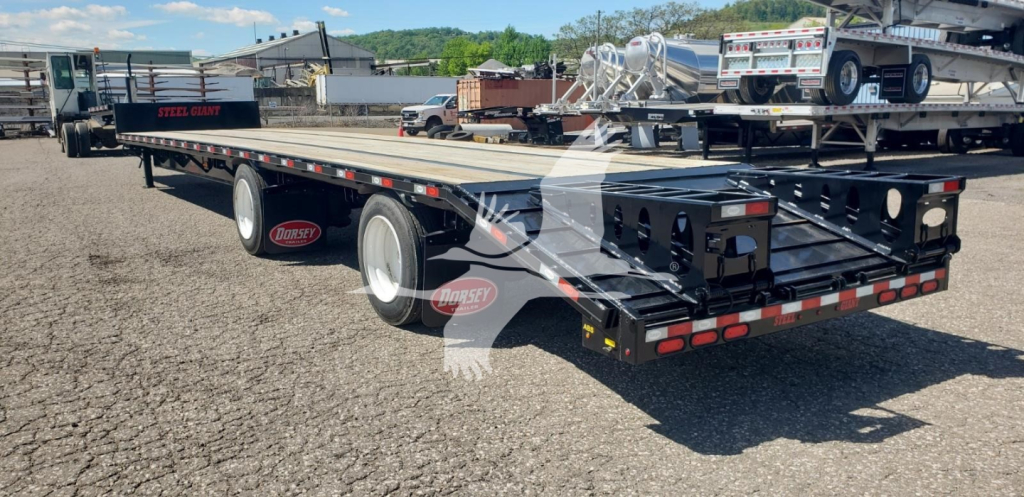
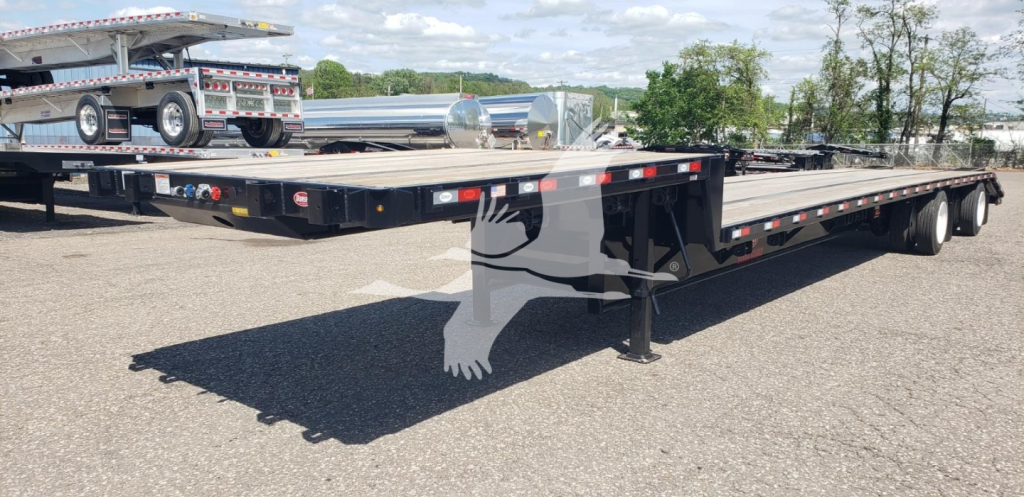
Selling a 2028 trailer? List your 2028 trailer for sale and reach thousands of commercial buyers.
2028 Trailers
Cargo requirements should determine the trailer category before length or axle count enters the discussion. Dry vans need suitable interior dimensions, door openings, and floor ratings for forklift traffic; refrigerated trailers add insulation condition, refrigeration capacity, and temperature-recording requirements. Flatbeds and drop decks, also called step decks, serve exposed freight, while lowboys accommodate taller or heavier machinery. Dump trailers need body materials and discharge arrangements suited to the commodity. Tank trailers require documented compatibility with the product carried, and container chassis must match container lengths and locking positions. No single construction material or suspension layout is best across these applications.
Usable payload starts with actual empty weight and the lowest applicable structural, axle, tire, or legal limit, not GVWR alone. Compare concentrated-load ratings for machinery against distributed-load ratings for palletized freight. On equipment trailers, loaded deck height, ramp angle, ground clearance, and tie-down placement can decide whether a machine loads safely. Tractor compatibility also matters: verify fifth-wheel height, kingpin location, swing clearance, air and electrical connections, and loaded weight distribution before committing to a configuration.
New trailers deserve a written specification covering frame construction, flooring, axle spacing, suspension, brakes, tires, corrosion protection, and application-specific equipment. Confirm which warranties come from the trailer manufacturer and which come from component suppliers, along with coverage start dates and exclusions. Qualifying new heavy trailers sold in the United States can incur the 12% federal excise tax; Canadian purchases follow different tax rules. Document responsibility for substitutions and verify the completed build against the order at delivery.
Used trailers require a structural inspection even when the model year is recent. Examine kingpin mounting, main rails, crossmembers, suspension hangers, landing gear, wheel ends, brake wear, ABS faults, and evidence of collision repairs or overloading. Enclosed bodies need leak checks, while hydraulic equipment needs cylinder and hose inspection. Road salt in northern US states and Canadian provinces makes corrosion assessment especially important. Obtain maintenance records, and check state or provincial weight, axle-spacing, dimensional, and seasonal restrictions against intended routes rather than assuming one legal configuration works throughout North America.
Frequently Asked Questions about 2028 Trailers
How can I verify that a trailer is actually a 2028 model?
The tenth VIN character is W for a 2028 model-year trailer using the standard 17-character VIN system. That character repeats on a 30-year cycle, so it cannot establish the year by itself. Compare the complete VIN with the manufacturer's records, certification label, and certificate of origin or title. Resolve mismatched documents before purchase, especially when the assembly date differs from the advertised model year.
Does a 2028 refrigerated trailer automatically meet California emissions rules?
A 2028 trailer model year does not establish California transport refrigeration unit compliance. The refrigeration engine has its own identification, emissions certification, and operating requirements separate from the trailer chassis. Verify the refrigeration unit's engine family, manufacture date, registration status, and applicable CARB requirements for the intended service. Inspect both identification plates rather than assuming the trailer and refrigeration equipment have matching production dates.
Does federal excise tax apply to a new 2028 trailer?
The US 12% federal excise tax generally applies to the first retail sale of new truck trailers and semitrailers rated above 26,000 pounds GVWR, subject to statutory exemptions. Trailer model year alone does not determine tax liability. Request written confirmation of the trailer's taxable status and tax treatment on the purchase documents. Canadian purchases are subject to a different sales-tax framework.
Can I run a 53-foot 2028 trailer everywhere in the US and Canada?
A 53-foot trailer is not legal on every road in the United States and Canada. US National Network access does not eliminate state kingpin-to-rear-axle restrictions or local route limitations. Canadian provinces regulate dimensions and combinations under their own rules. Check the complete tractor-trailer configuration, axle positions, intended roads, and permit requirements rather than relying on trailer length alone.
Should I choose sliding tandems or spread axles on a 2028 trailer?
Sliding tandems suit dock freight and frequent axle-weight adjustments; spread axles suit many flatbed and step-deck applications. A spread can change allowable axle-group loading, but it does not automatically increase the combination's legal gross weight. Wider axle spacing also increases tire scrub during tight turns. Compare route-specific weight rules, maneuvering space, tire wear, and the need to reposition axle weight before choosing.