
2027 Trailers For Sale
Browse 2027 trailers for sale including reefer, van, dump, tag, and specialized trailer types with current specs, capacities, and axle options.
Learn morePopular Trailers Categories
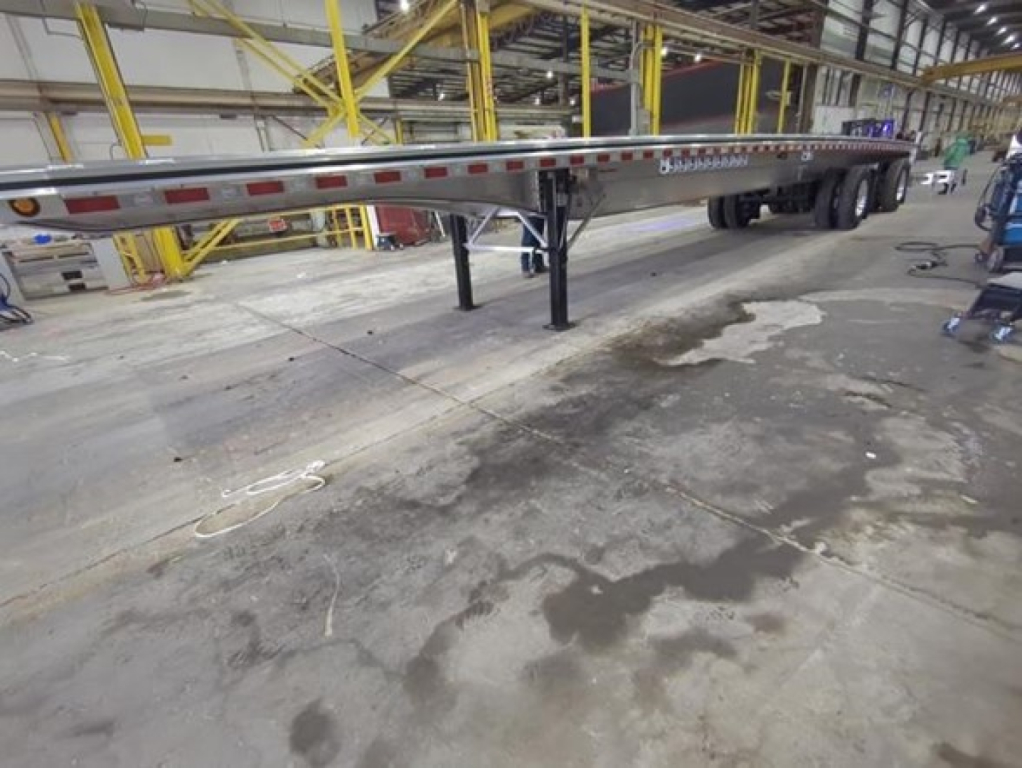
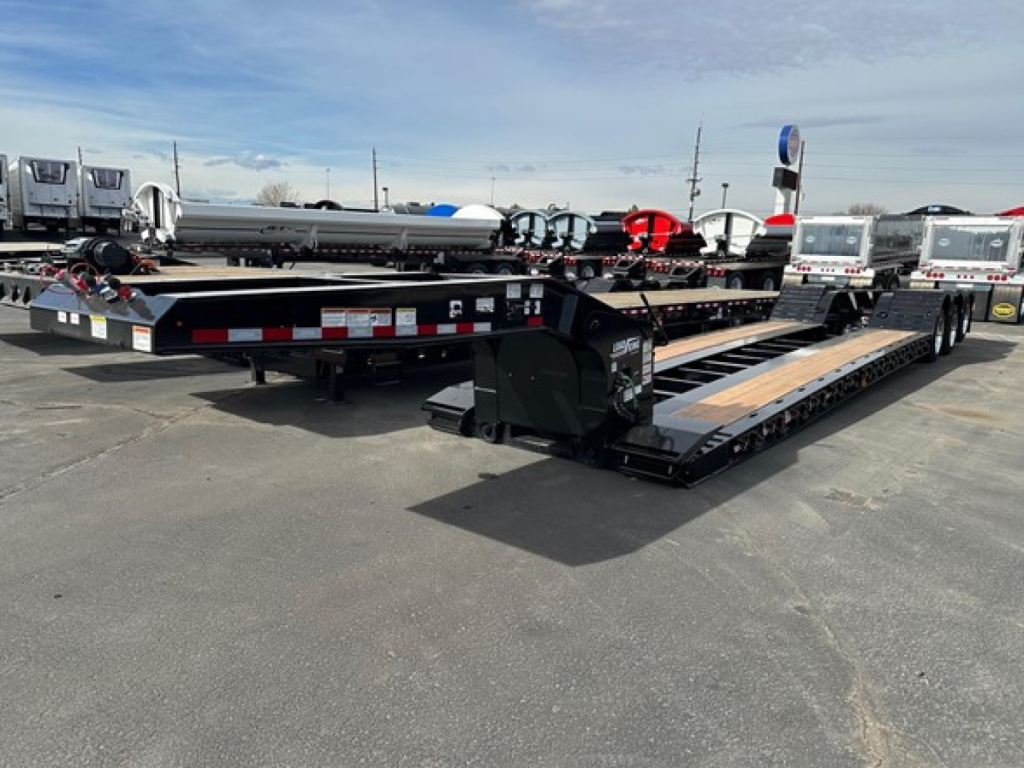
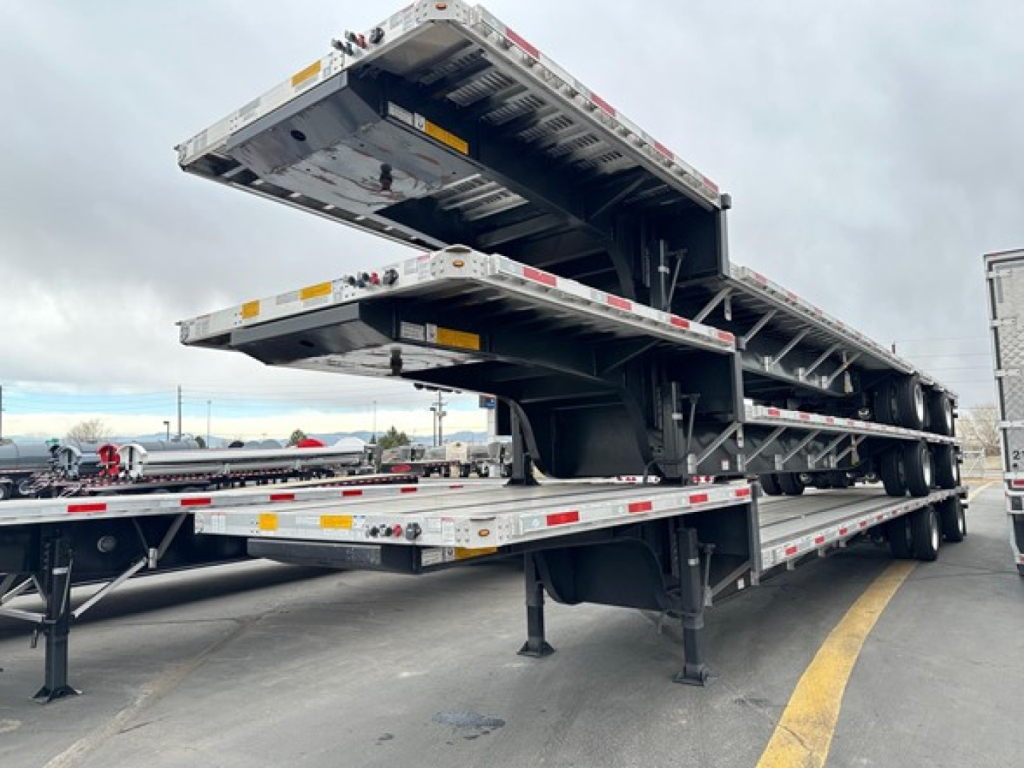
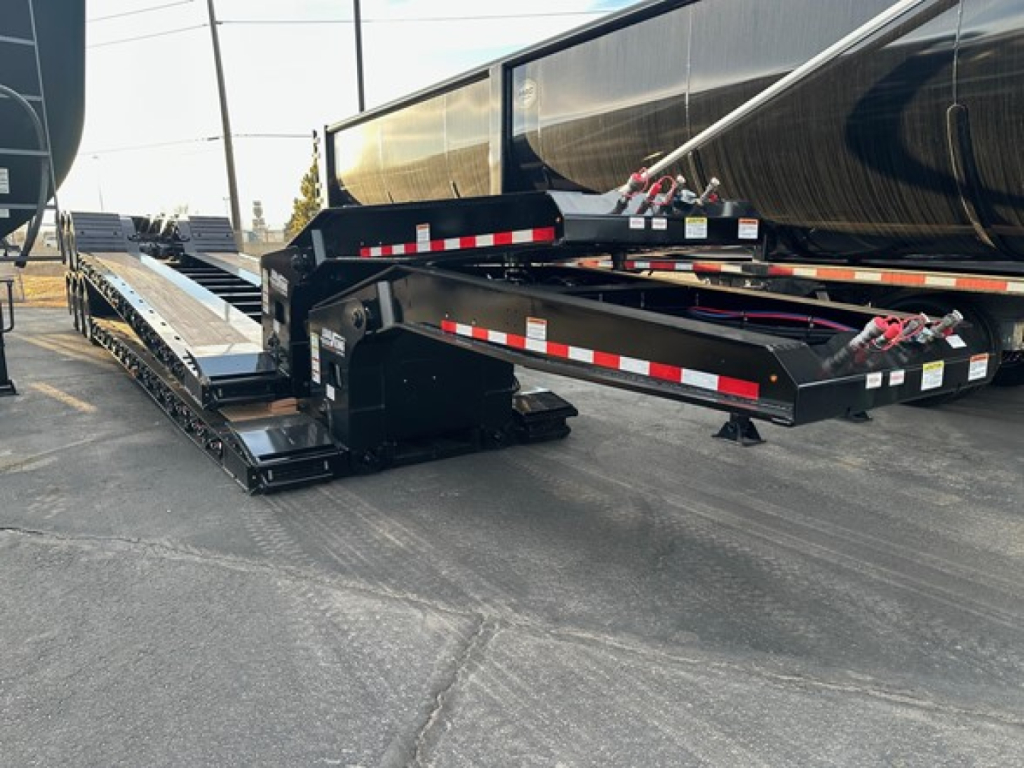
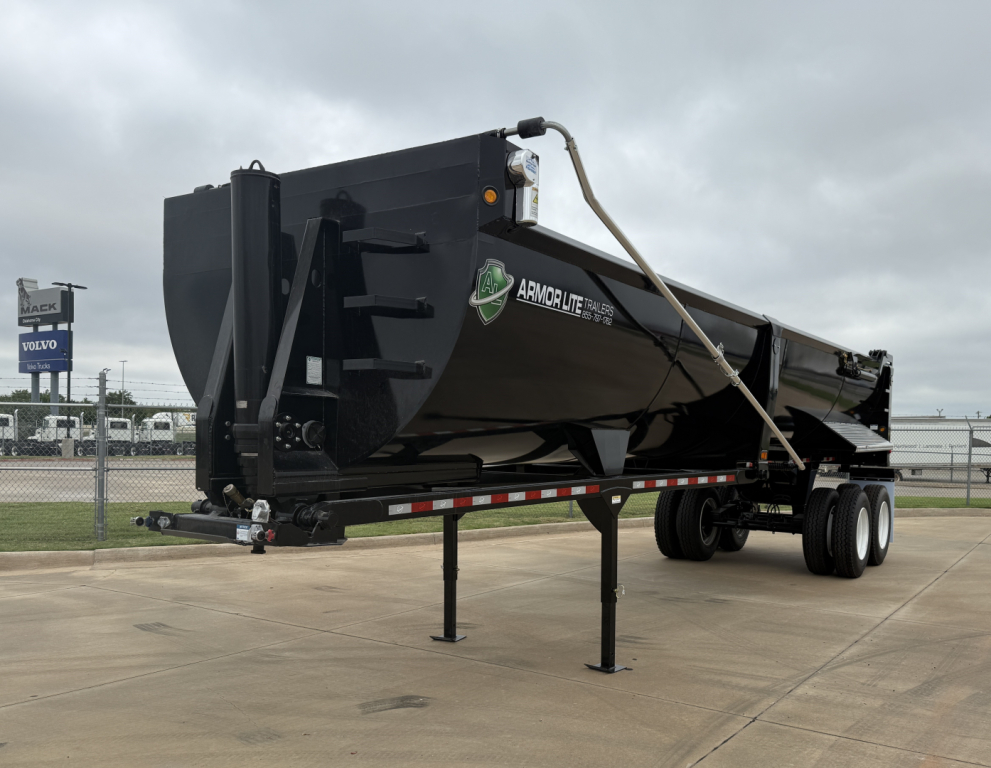
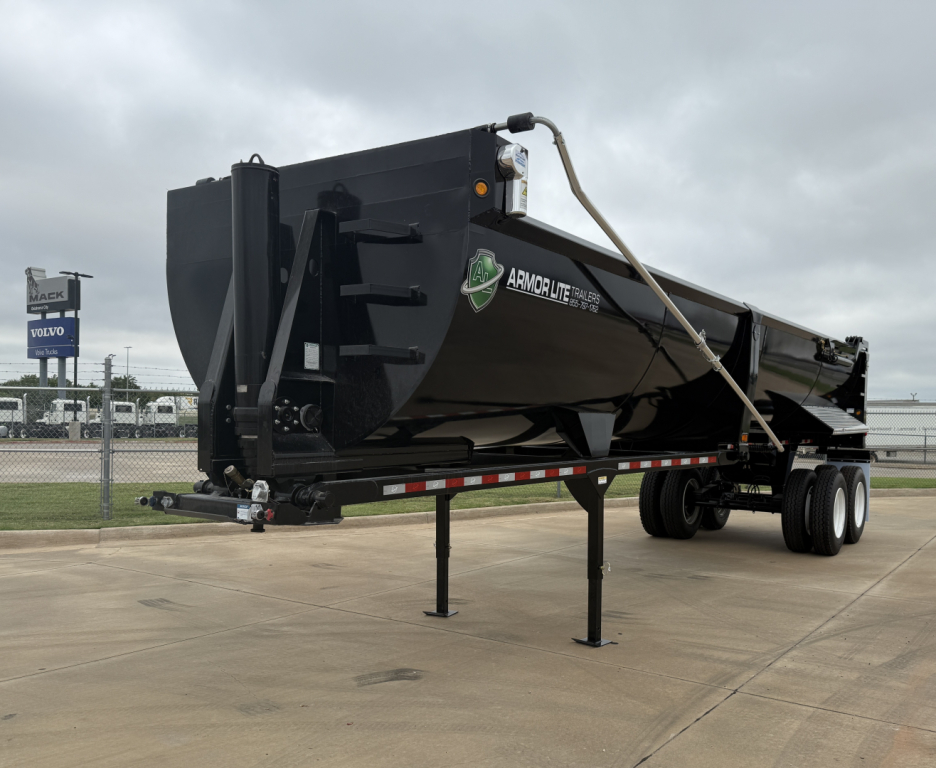

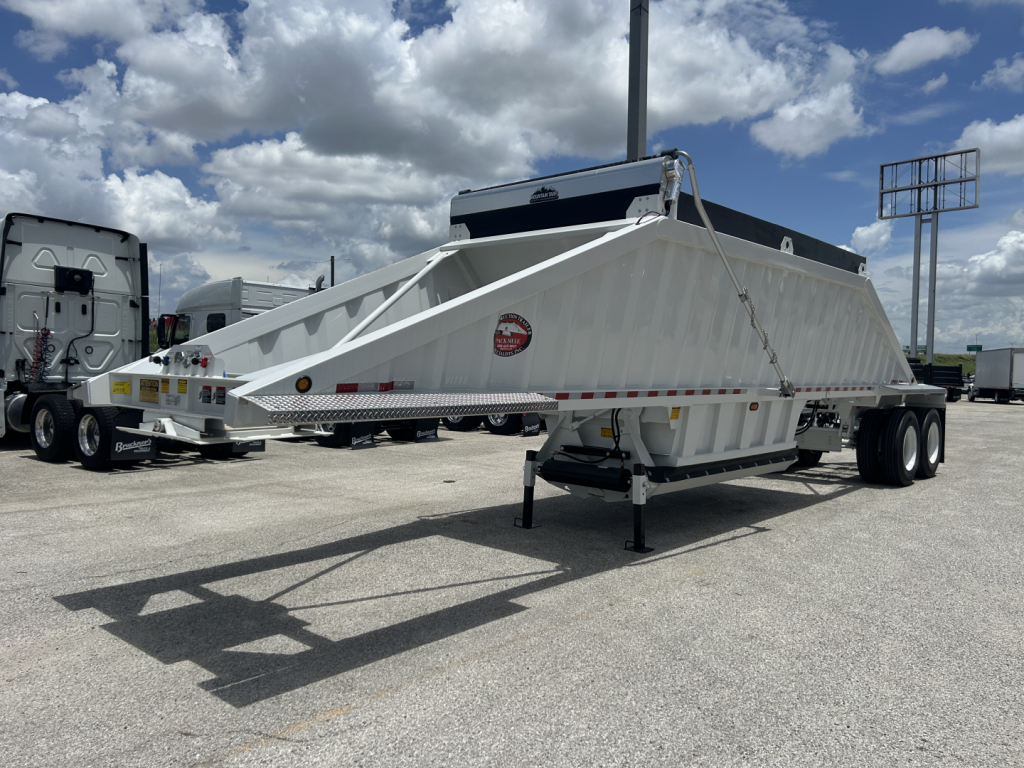
Showing 349 to 360 of 539 results
Have 2027 trailer to sell? List it here to reach thousands of buyers.
About 2027 Trailers
For general freight, 53-foot vans and reefers remain the core of the market. Common specs include air ride suspension, sliding tandems, 22.5-inch rubber, aluminum or steel wheels, and 102-inch overall width. Reefer buyers should look closely at insulation package, roof and floor construction, unit hours, airflow design, and door seal condition, along with practical specs like swing or roll doors and tire inflation systems if equipped. Dry van buyers usually focus on floor rating, logistics posts, scuff liners, side skirts, rear frame condition, and tandem slider travel. If the trailer will run heavy palletized freight, floor composition and crossmember spacing matter as much as age.
For construction and equipment hauling, spec choices get more specialized. Dump trailers are often evaluated by body material, cubic yard capacity, side height, hoist design, gate control, liner options, suspension type, and empty weight. Steel bodies generally favor durability in demolition, scrap, and aggregate work, while lighter builds can improve payload in legal-weight operations. Tag trailers and traveling axle trailers are more application-driven. Buyers should pay attention to main deck length, loaded deck height, ramp style, load angle, axle capacity, beavertail design, floor type such as apitong, and whether the suspension is spring ride or air ride. On heavy-haul setups, kingpin setting, axle spread, and overall loaded height can determine permitting flexibility and ease of loading.
A strong 2027 trailer spec is one that fits the freight first and the lane second. Regional operations may prioritize corrosion resistance, lift axles, automatic tarps, disc brakes, or lightweight components, while local vocational work may lean toward simpler mechanical specs that are easier to maintain. Buyers comparing listings should look past model year alone and read for tare weight, brake type, suspension, axle configuration, tire size, wheel material, and body or deck dimensions. Those details usually tell you more about long-term cost, payload potential, and resale strength than the badge on the nose or the paint on the side.
Frequently Asked Questions
What trailer types are commonly found in the 2027 model year market?
The 2027 trailer market commonly includes dry vans, refrigerated trailers, dump trailers, tag trailers, and specialized equipment-hauling designs such as traveling axle or lowboy-style trailers. Each serves a different freight profile. Vans and reefers are built for palletized freight and route efficiency, while dump and equipment trailers are spec'd around payload, deck geometry, body construction, and jobsite durability.
What specs matter most when comparing 2027 reefer and van trailers?
The most important specs are length, axle configuration, suspension type, tire and wheel package, floor construction, and tandem slider setup. Reefer buyers should also check insulation design, interior condition, door seals, and refrigeration unit compatibility or hours if listed. Van buyers should pay close attention to logistics tracks, scuff liners, floor rating, rear frame condition, and aerodynamic equipment such as side skirts.
How do I choose between air ride and spring ride on a trailer?
Air ride is generally preferred for ride quality, freight protection, and broader resale appeal, especially in van, reefer, and many specialized applications. Spring ride is simpler and often favored in certain vocational or lower-cost equipment-hauling specs. The right choice depends on cargo sensitivity, maintenance preferences, route conditions, and whether the trailer will spend most of its time on pavement or in rough jobsite environments.
Why does trailer tare weight matter so much?
Tare weight directly affects payload capacity and revenue potential. A lighter trailer can legally haul more product on the same lane, which is especially important in aggregate, bulk, and other weight-sensitive applications. Buyers should balance low empty weight against structural durability, because the lightest trailer is not always the best fit for severe-duty use or abrasive materials.
What should I look for on specialized trailers like tag or traveling axle models?
Focus on deck length, loaded deck height, ramp design, axle capacity, load angle, floor material, suspension, and any hydraulic or winch equipment. These trailers are bought around the machine or cargo being hauled, so dimensional fit is critical. Ground clearance, beavertail design, kingpin or drawbar setup, and overall transport height can make a major difference in loading safety, permitting, and day-to-day usability.