
2027 Trailers For Sale in Oklahoma
Browse 2027 trailers for sale in Oklahoma, including flatbed, drop deck, dump, and lowboy trailers built for regional and heavy-duty hauling.
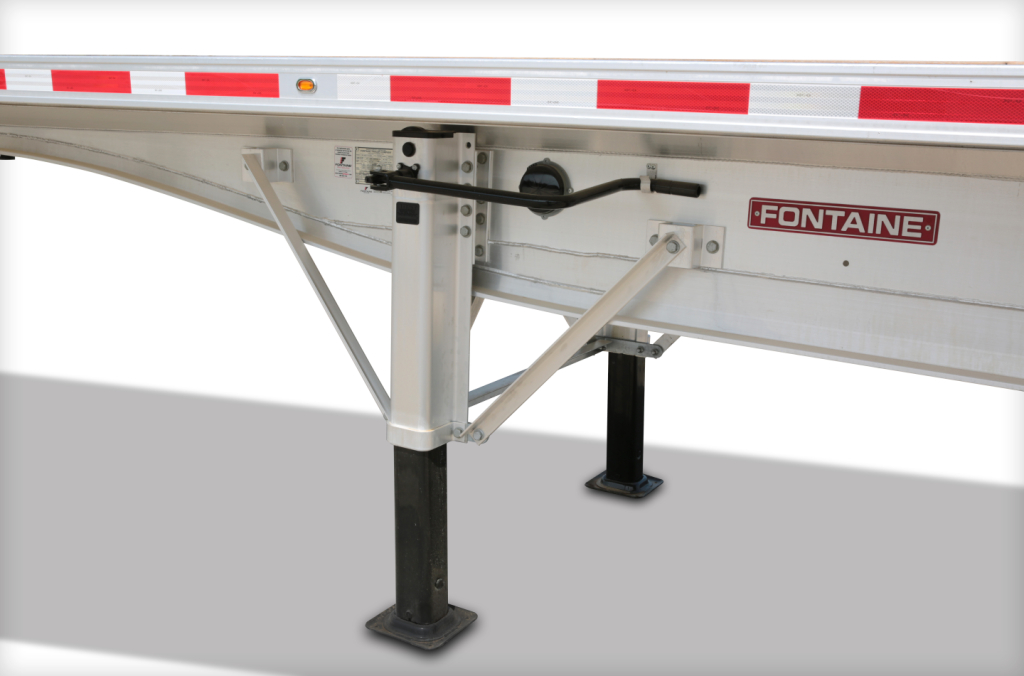
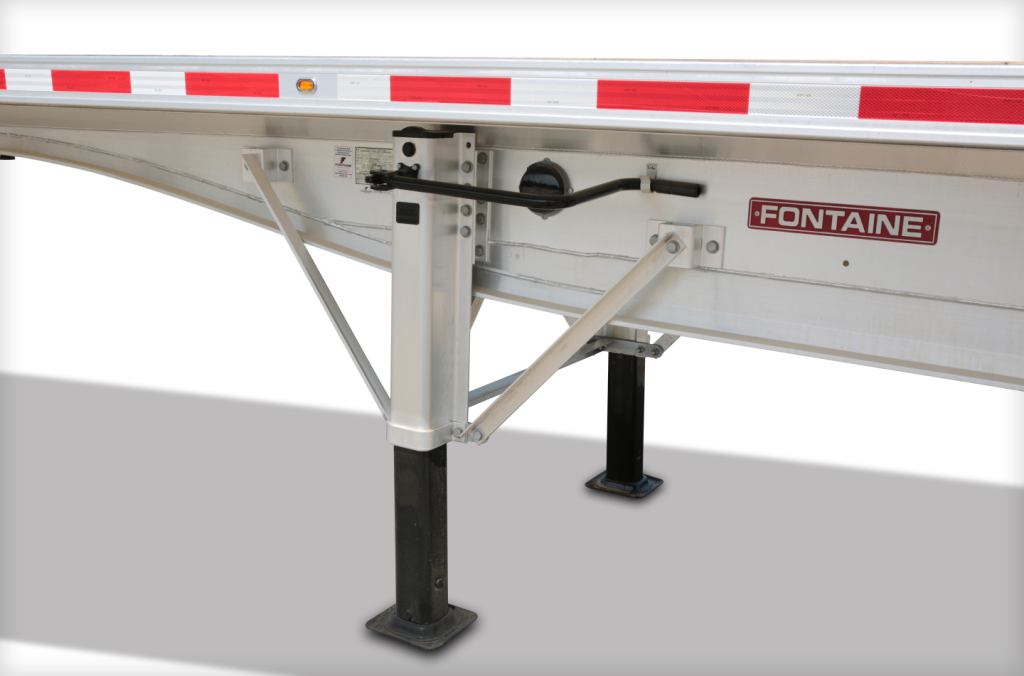
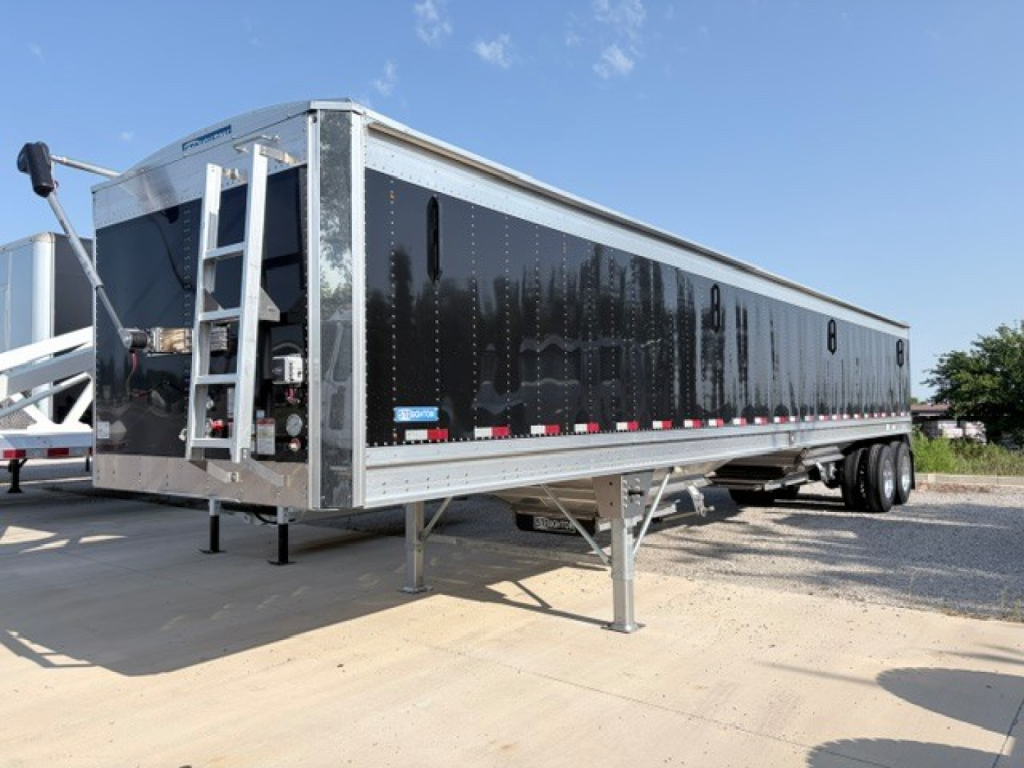
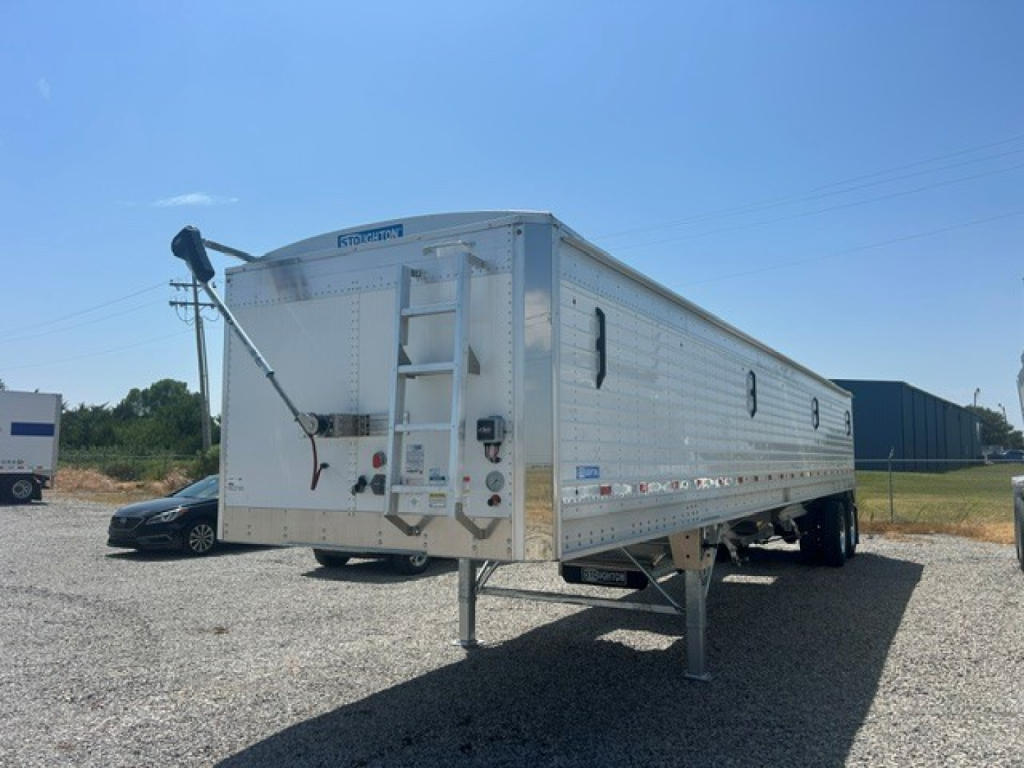
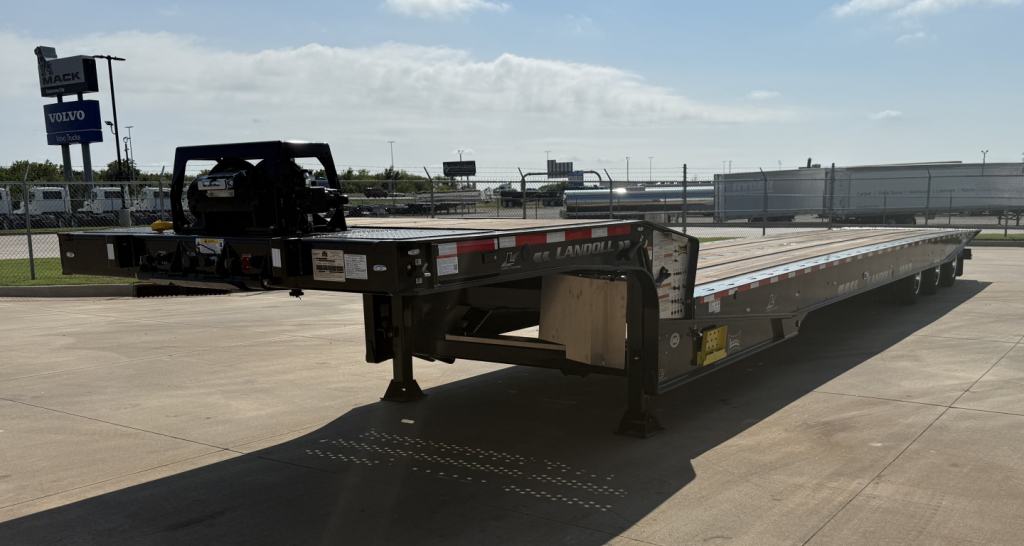
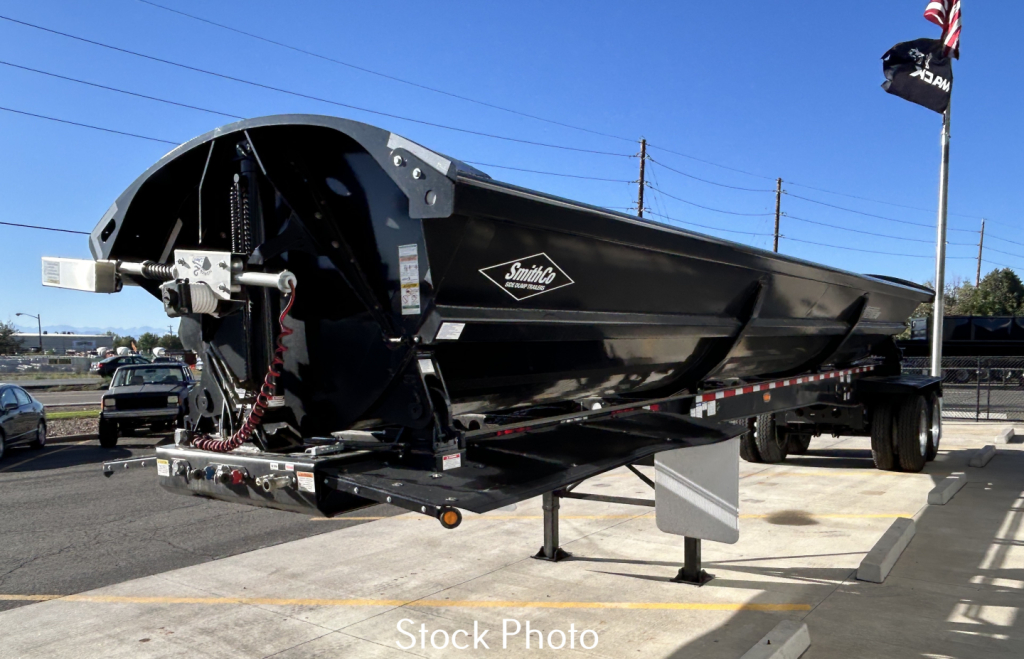
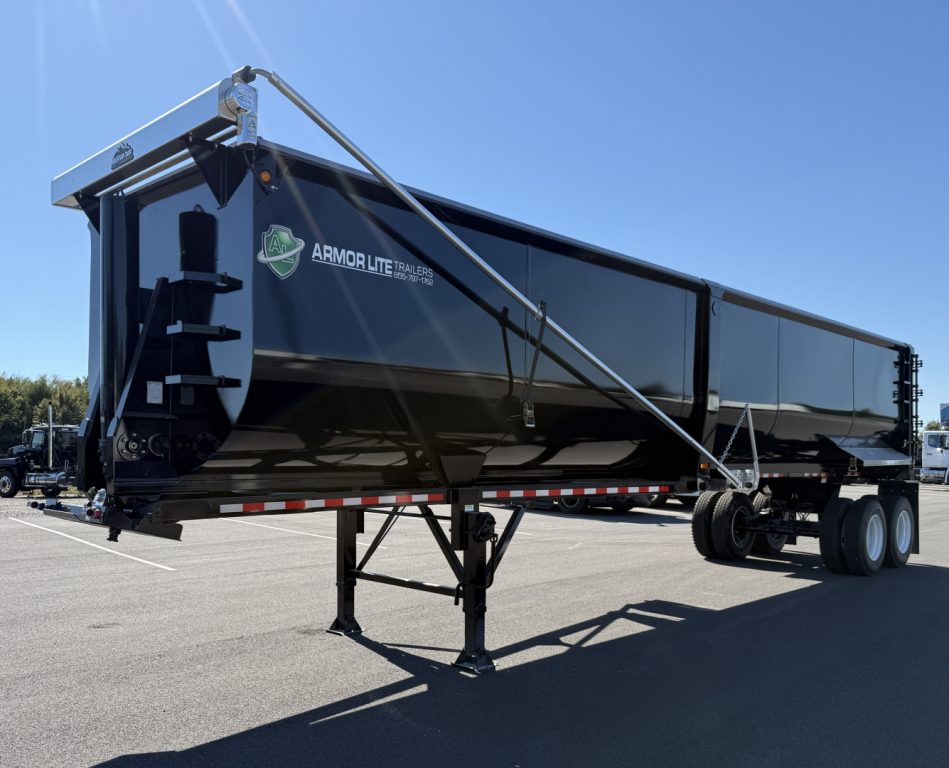
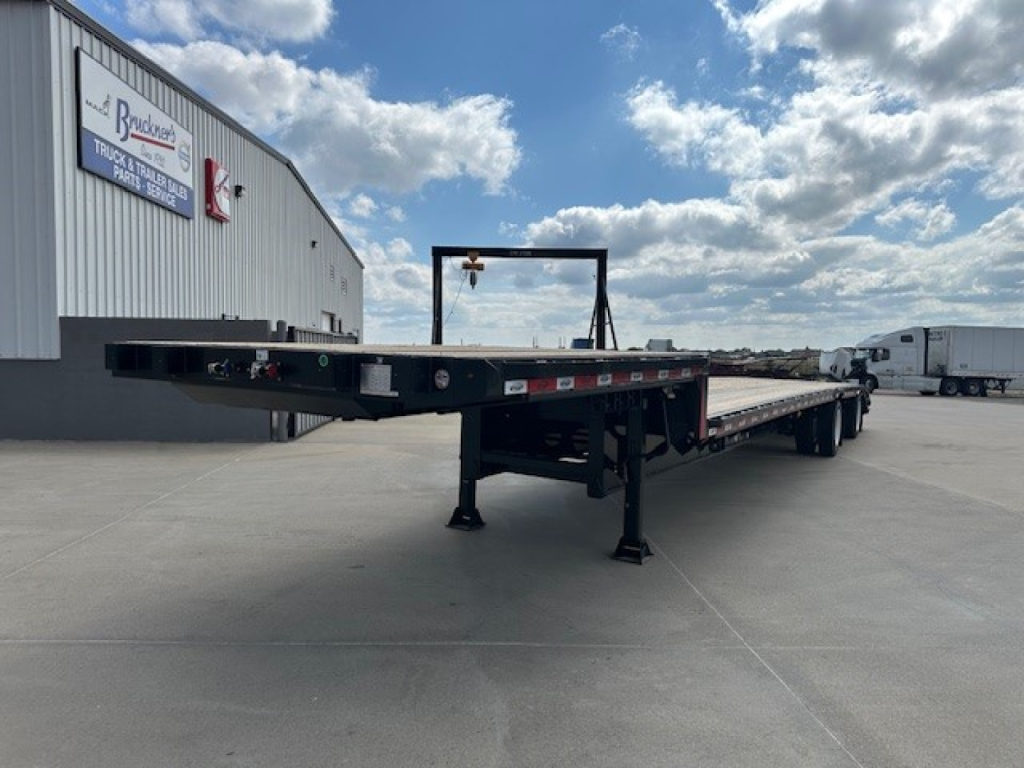
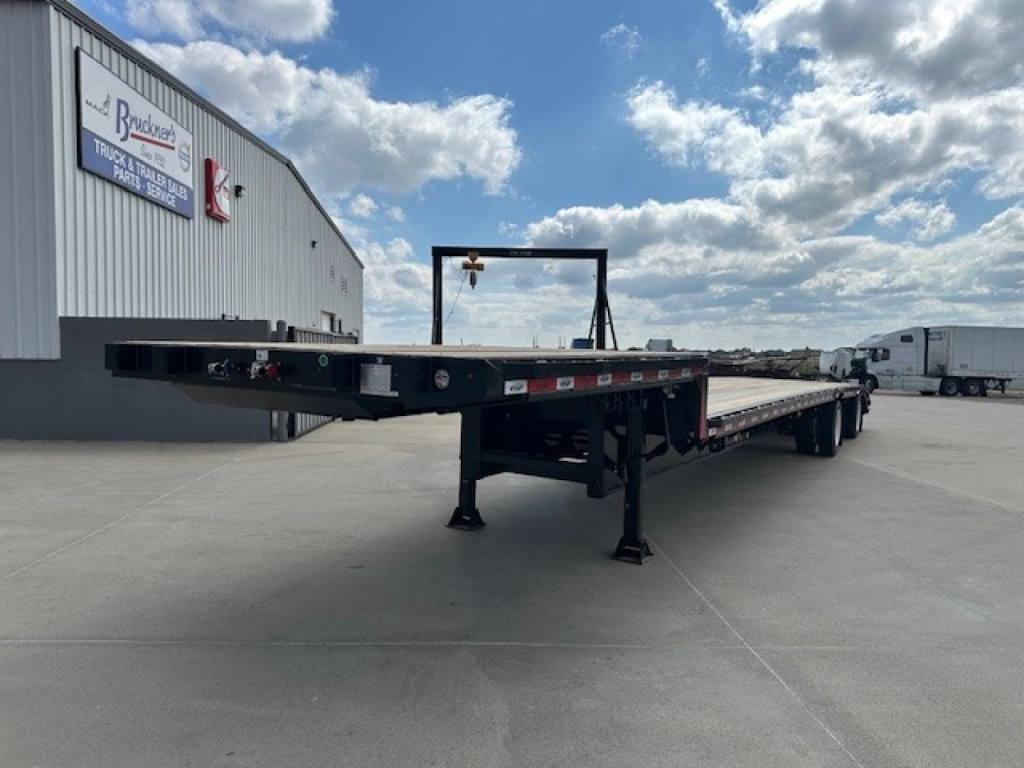
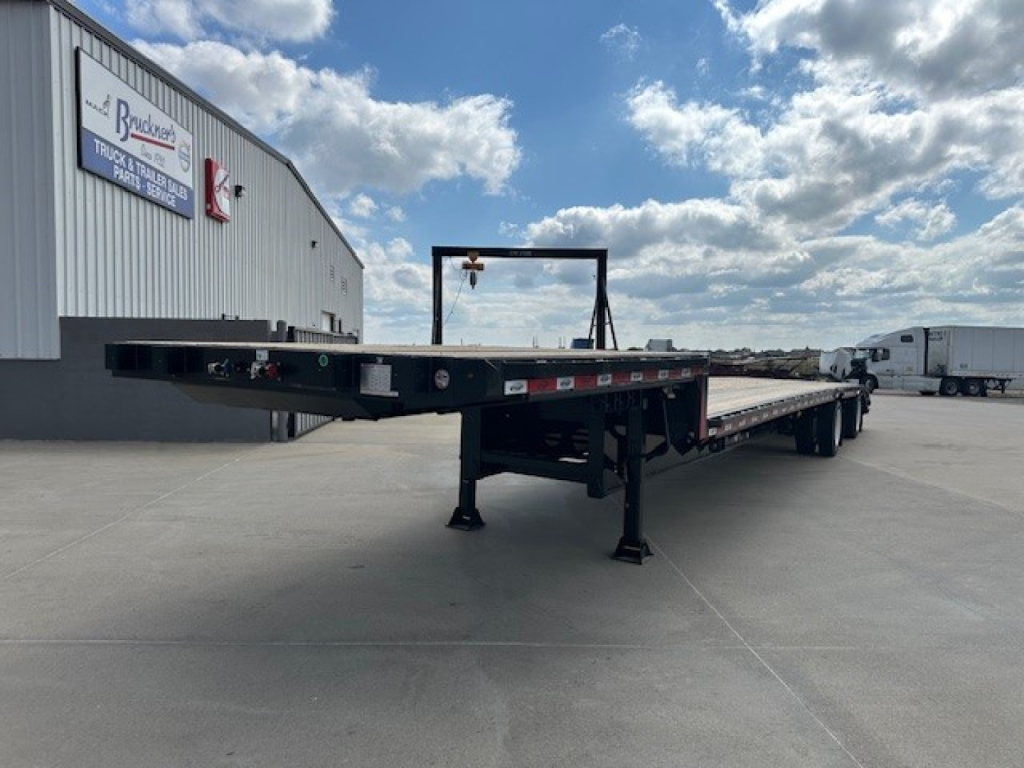
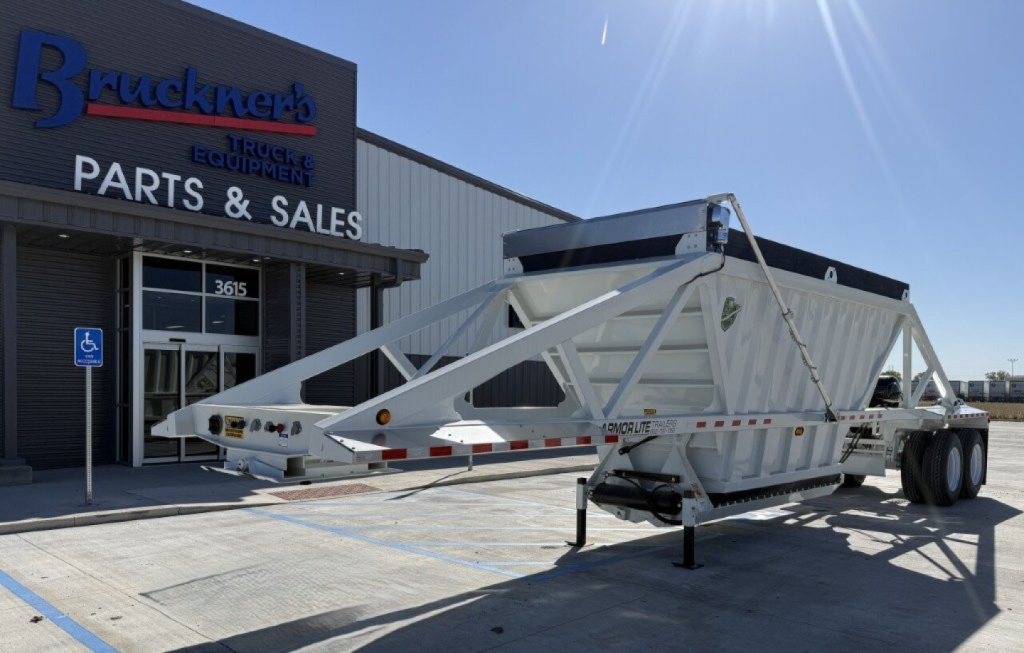
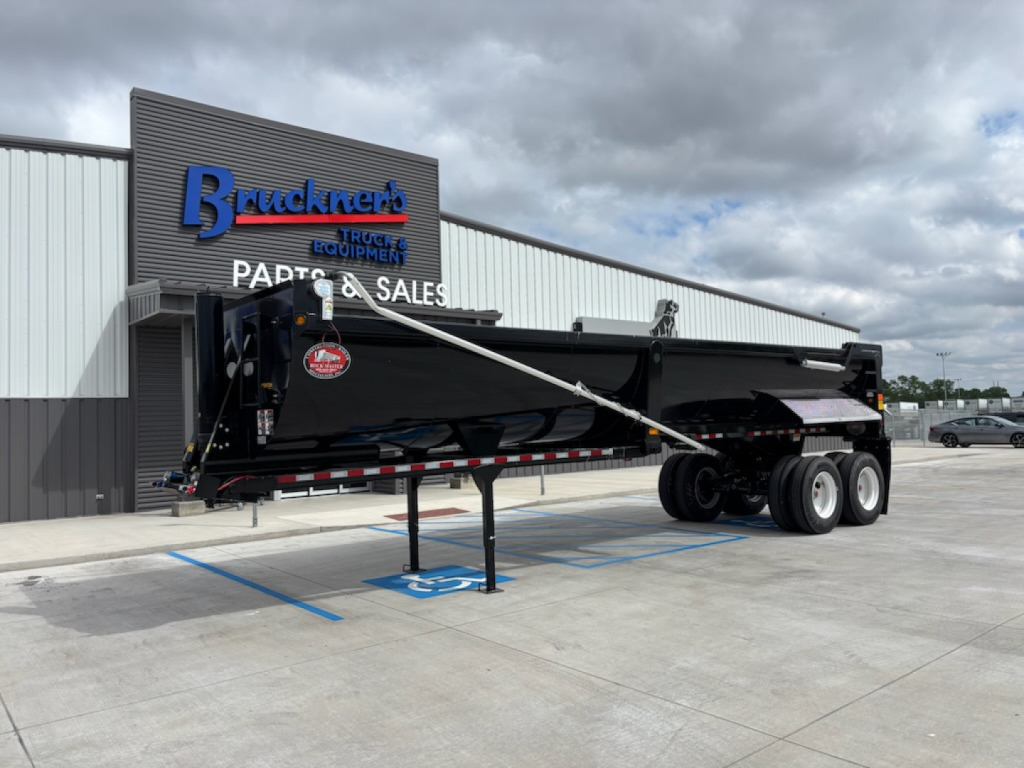
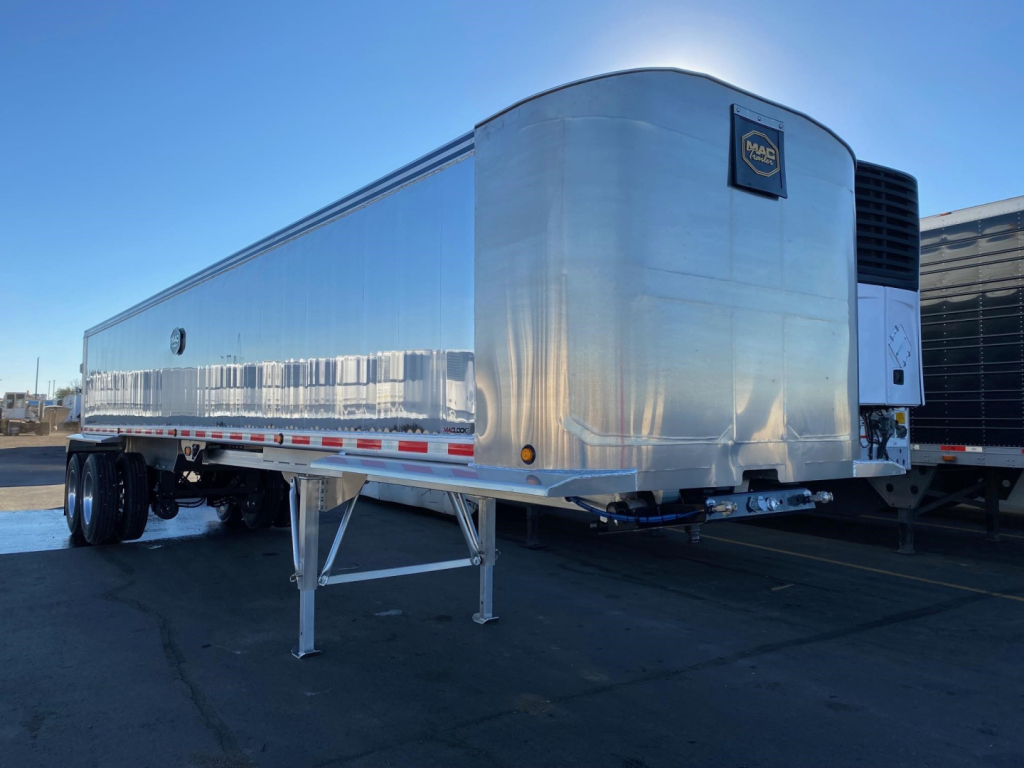
Selling a 2027 trailer? List your 2027 trailer for sale and reach thousands of commercial buyers.
2027 Trailers in Oklahoma
For open-deck buyers, the biggest spec decisions usually come down to trailer length, deck construction, axle setup, and load securement. Common lengths include 48-foot and 53-foot decks, typically at 102 inches wide. Steel, aluminum, and combo construction each have tradeoffs. Aluminum and combo trailers help reduce tare weight and improve payload, while all-steel builds are often preferred for harsher jobsite use and repeated forklift traffic. Features like 12-inch crossmember spacing, sliding winches, bulkheads, forklift kits, coil packages, and air ride suspensions can make a major difference depending on cargo mix. Sliding tandems offer flexibility for bridge law and axle weight distribution, while spread axles can improve stability but reduce maneuverability in tighter yards.
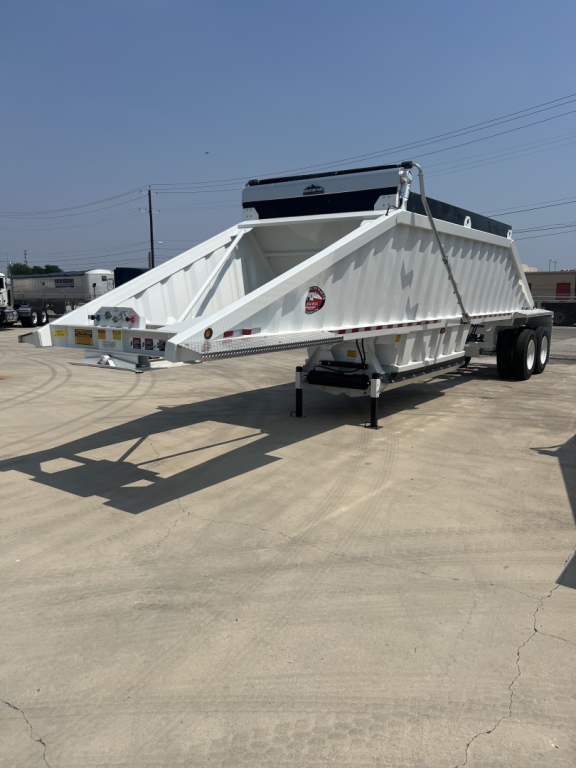
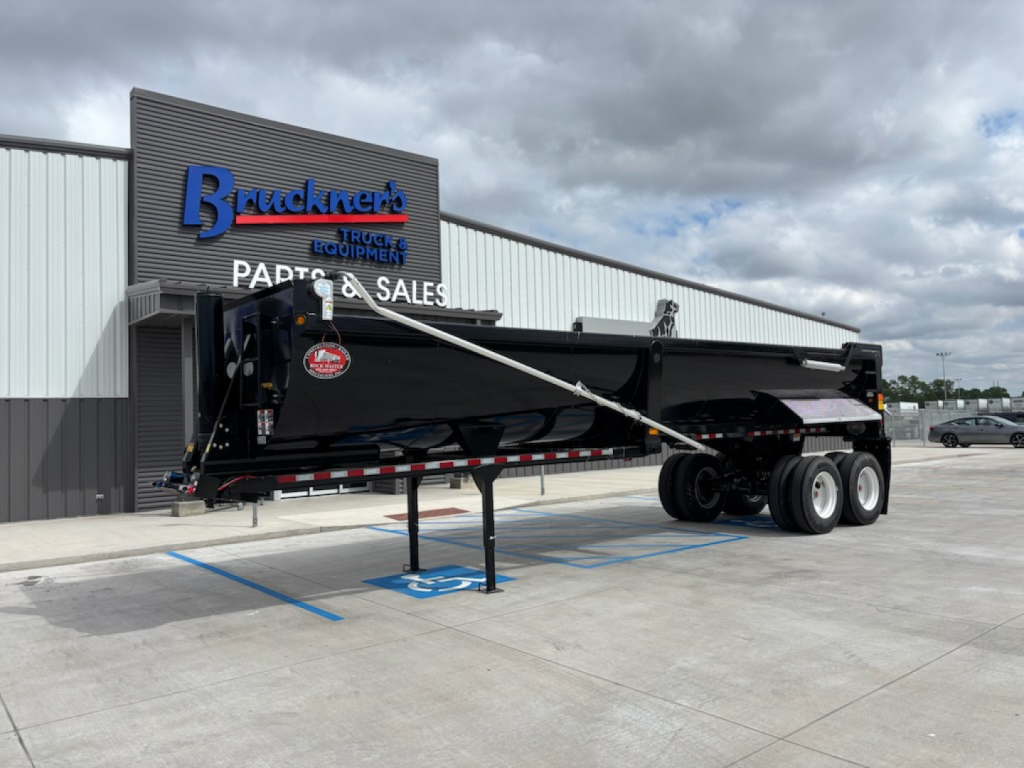
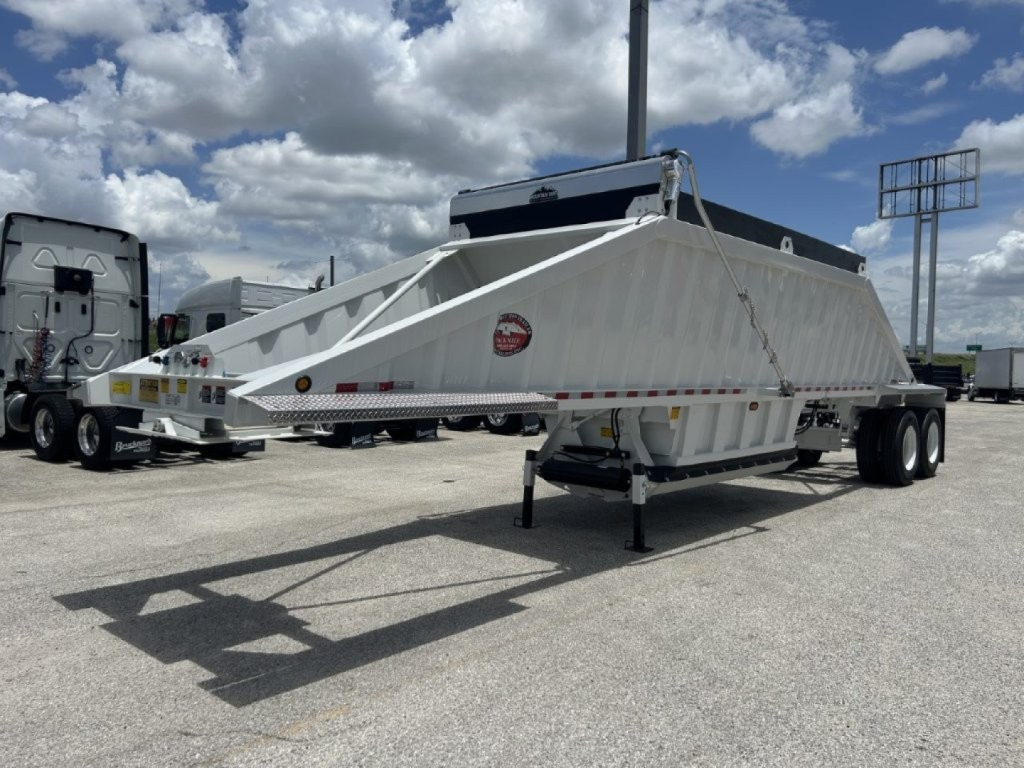
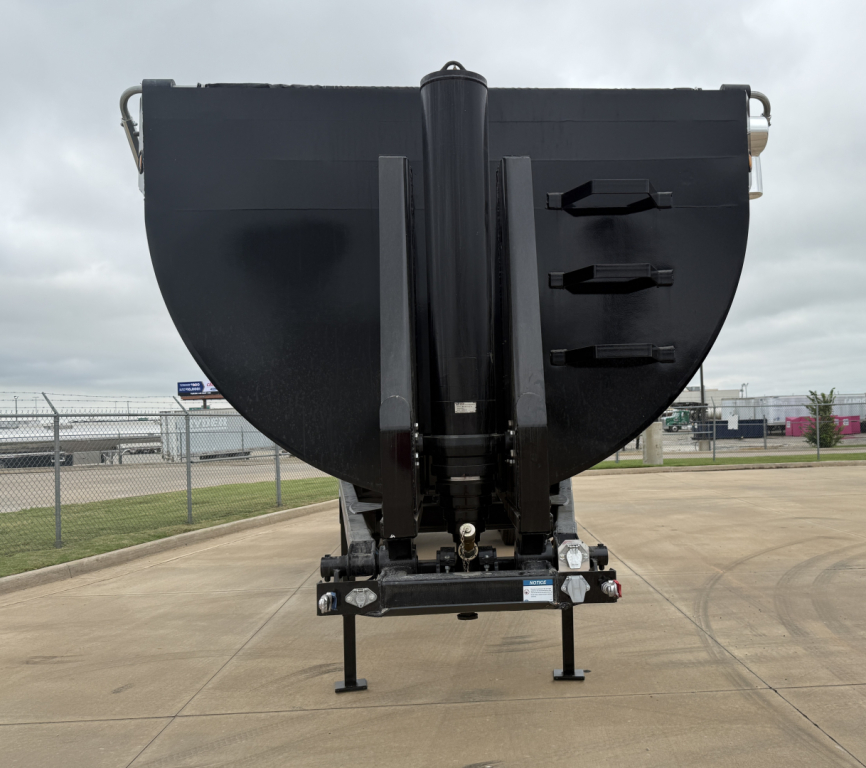
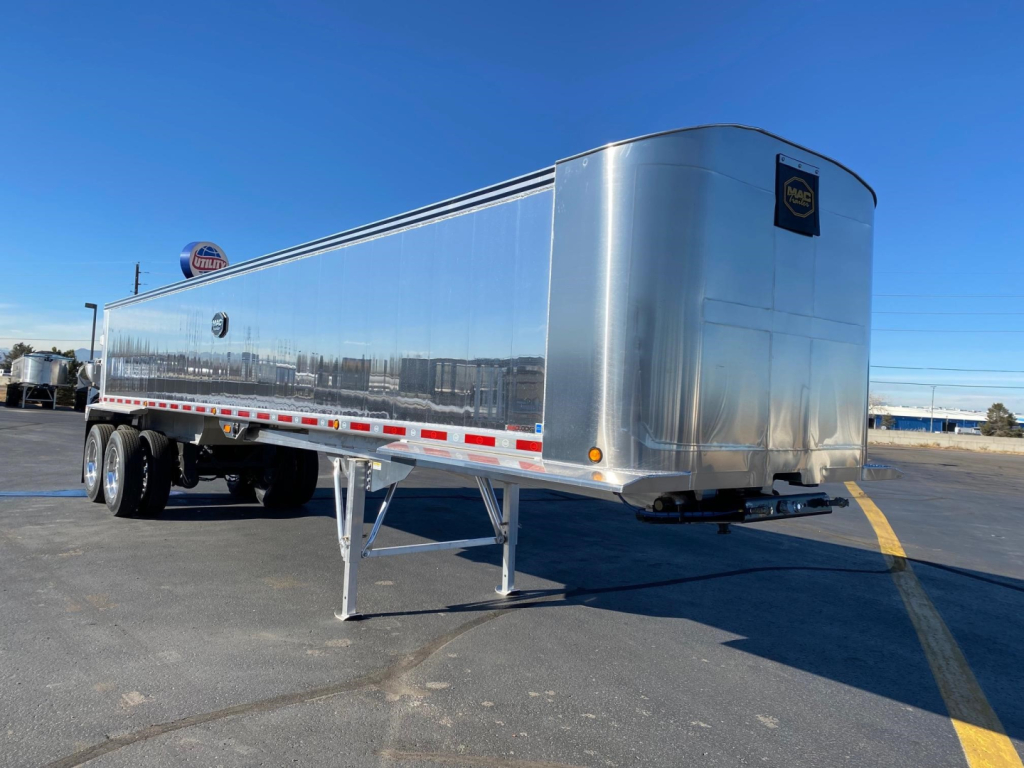
For equipment and construction work, lowboy and RGN trailers are often judged by loaded deck height, well length, frame construction, axle provisions, and ramp or neck design. A 26-foot well, high-tensile frame, pony motor, and heavy-duty apitong flooring are all common indicators of a trailer built for machinery and heavier iron. Buyers in Oklahoma often pay close attention to axle configurations and future expandability because permit loads, oilfield support, and construction equipment can push a trailer beyond standard tandem capacity. On dump trailers, look closely at tub length, cubic yard rating, top rail design, gate operation, tarp system, and suspension. Half-round and smooth-sided bodies shed material differently than square bodies, and options like slope sheets, windrow deflectors, high-lift gates, and quick-release valves can improve unloading efficiency in real-world work.
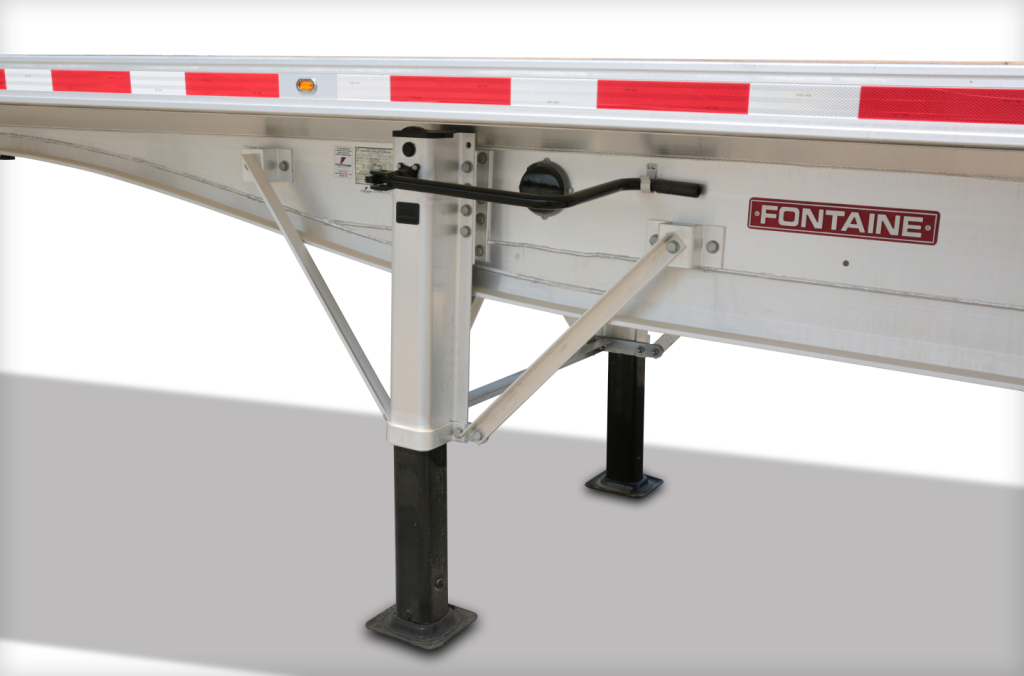
Oklahoma trailer buyers also need to think beyond the brochure. Suspension type affects both maintenance cost and ride quality, with spring ride, air ride, and single-point suspensions each fitting different applications. Tire size, wheel material, brake type, and landing gear spec all influence long-term serviceability. If the trailer will see county roads, energy work, or rough site access, durability features may outweigh tare-weight savings. If it will stay on highway lanes with legal freight, lower empty weight and securement flexibility may be the better investment. A well-matched 2027 trailer should fit your freight profile, permit environment, tractor setup, and loading method, not just the price tag on the listing.
Frequently Asked Questions about 2027 Trailers in Oklahoma
What type of 2027 trailer is best for hauling in Oklahoma?
The best trailer depends on the freight, route, and loading method. Flatbeds work well for general open-deck freight, drop decks are better for taller cargo that needs extra height clearance, lowboys and RGNs are designed for heavy equipment, and dump trailers are suited for aggregate, demolition, and road construction materials. In Oklahoma, many buyers balance highway use with rougher jobsite access, so suspension, frame strength, and deck or body construction matter as much as basic capacity.
What is the difference between a flatbed and a drop deck trailer?
A flatbed has a single deck height from front to rear, which makes it versatile and easy to load from the side, rear, or overhead. A drop deck, also called a step deck, has an upper deck and a lower deck, allowing taller freight to ride lower and stay within legal height limits. Buyers usually choose a drop deck when they regularly haul equipment, crated freight, or machinery that would sit too tall on a standard flatbed.
What should I look for in a 2027 dump trailer?
Focus on body length, cubic yard capacity, steel thickness, gate design, tarp system, and suspension type. Tub design affects how material flows during unloading, and features like self-shedding top rails, slope sheets, high-lift gates, and windrow deflectors can improve day-to-day efficiency. Suspension choice is also important because spring ride, air ride, and single-point setups each affect maintenance, stability, and off-road performance differently.
Why do axle configuration and suspension matter on a trailer?
Axle layout affects legal payload, bridge compliance, maneuverability, and tire wear. Tandem, spread axle, and lift axle setups each serve different operating needs. Suspension matters because it changes ride quality, load protection, and maintenance demands. Air ride is often preferred for sensitive freight and smoother highway performance, while spring ride and some heavy-duty mechanical suspensions are valued for durability in severe service.
What common specs should buyers compare on 2027 trailers for sale?
The most important specs usually include overall length, deck or tub length, width, trailer composition, number of axles, suspension type, brake type, tire size, and wheel material. On open-deck trailers, buyers should also compare crossmember spacing, winch track setup, bulkheads, coil packages, and ramp or beavertail options. On lowboys and dumps, pay close attention to well dimensions, floor material, gate controls, tarp equipment, and any provisions for heavier or specialized hauling.