
2026 Trailers For Sale
Shop 2026 trailers for sale, including flatbed, van, lowboy, dump, and tank trailers with current specs, capacities, and hauling options.
Learn morePopular Trailers Categories
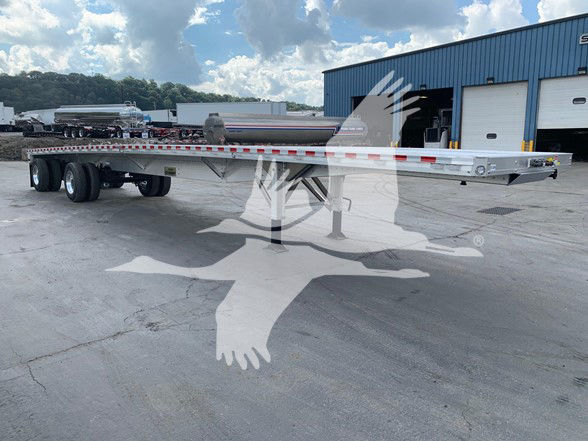
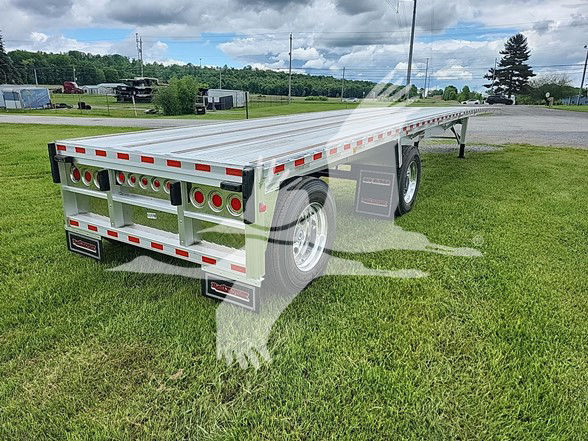
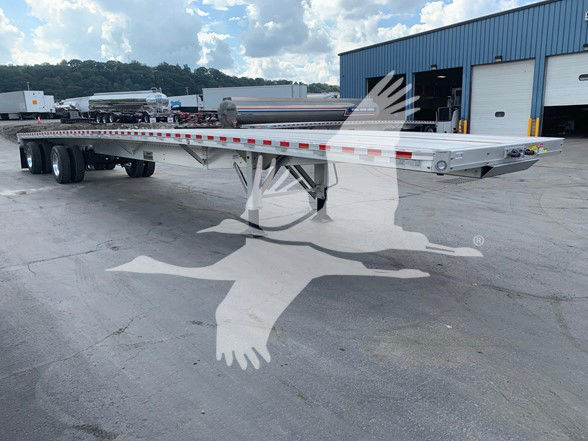
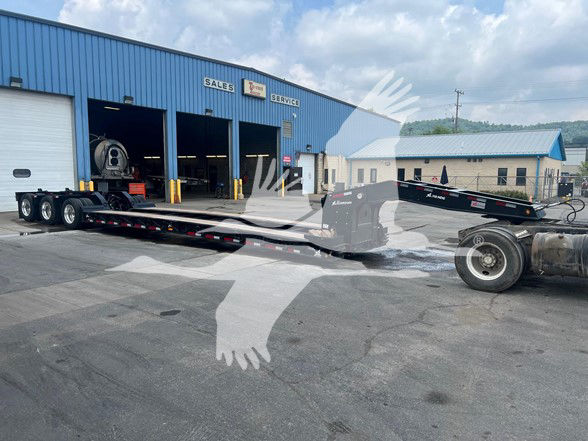
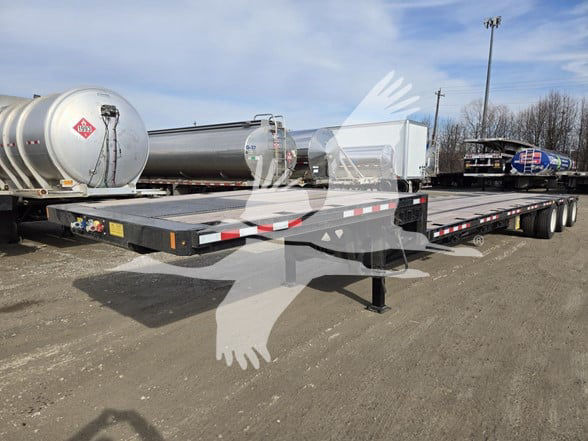
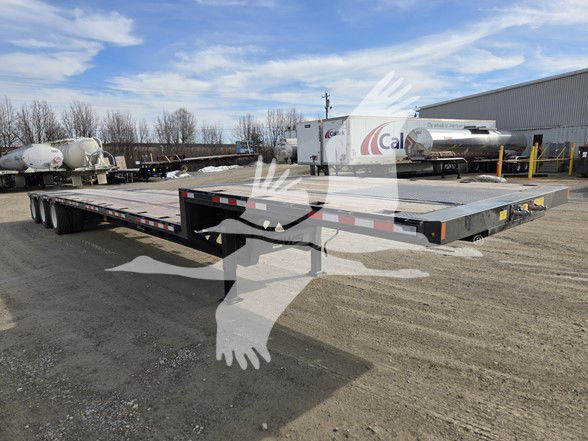
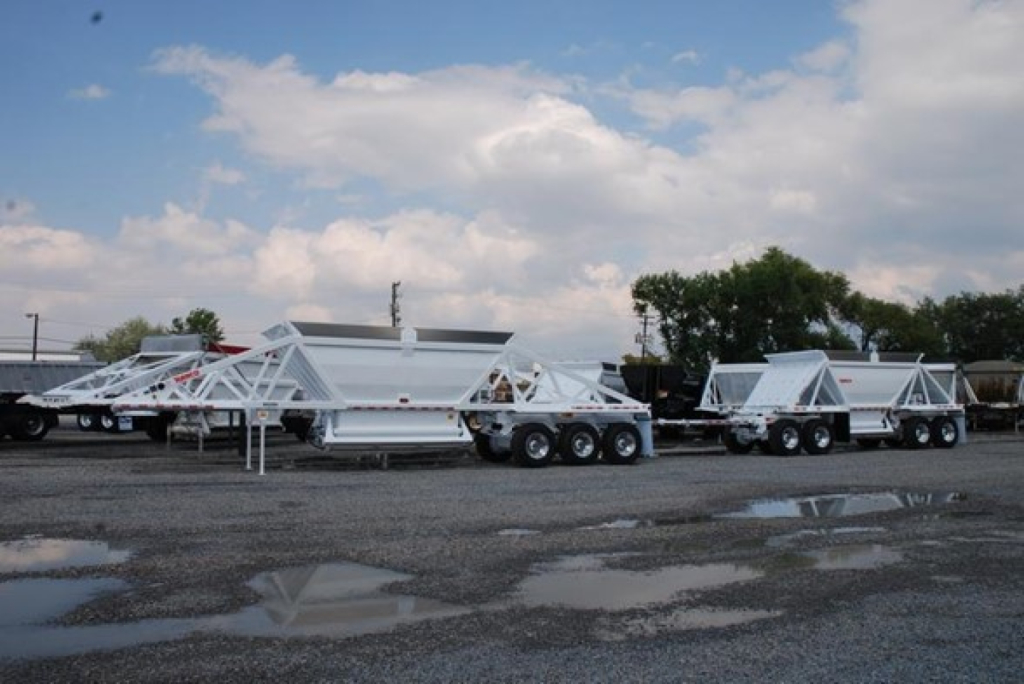
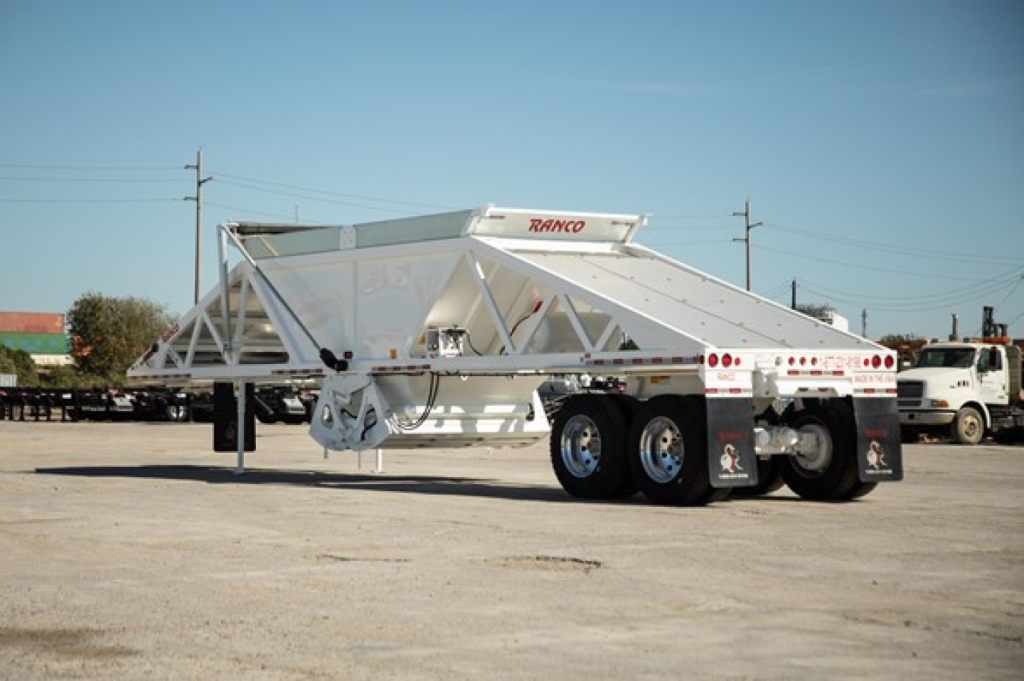
Showing 157 to 168 of 222 results
Have 2026 trailer to sell? List it here to reach thousands of buyers.
About 2026 Trailers
Specs matter more than appearance on a late-model trailer. Buyers should compare overall length, axle configuration, suspension type, kingpin setting, deck or interior dimensions, floor construction, and weight rating before comparing price. Flatbeds and lowboys often hinge on deck height, concentrated load rating, Apitong floor condition, outriggers, D-rings, and whether the axle group is fixed, sliding, or designed for additional axle options. Van trailers are usually judged on cubic capacity, rear door type, floor type, roof construction, GVWR, and whether the tandem slides for bridge compliance and load distribution. Dump and bulk trailers should be evaluated closely for body material, liner or tub design, gate style, tarp system, hopper layout, discharge plumbing, and the wear points around suspension mounts, landing gear, and rear structure.
Material choice is a major cost and payload factor in 2026 trailers for sale. Aluminum helps reduce tare weight and improve payload in van and tank applications, while steel remains common where impact resistance and long-term durability matter more, such as rock dumps, steel flatbeds, and many heavy haul platforms. Suspension also changes how the trailer performs in service. Air ride is preferred in many freight and equipment applications for cargo protection and ride quality, while spring or specialty heavy-duty setups still show up where simplicity or site durability is the priority. Tire size, wheel package, brake spec, and hub configuration should be matched to the fleet's existing maintenance program to keep parts and service straightforward.
A strong buyer focuses on application fit, legal capacity, and lifecycle cost. Check how the trailer is built for the lanes it will run, the commodities it will haul, and the tractors it will pair with. On a 2026 unit, details such as hydraulic detachable goosenecks, raise-and-lower valves, high-lift gates, electric tarps, manhole count, discharge style, and winch track layout can make the difference between a trailer that simply works and one that works efficiently every day. The best value in this category comes from choosing a trailer specification that supports your freight, loading method, route restrictions, and maintenance standards without adding unnecessary weight or complexity.
Frequently Asked Questions
What should I compare first when shopping 2026 trailers for sale?
Start with trailer category, payload requirement, and dimensional fit. A buyer should confirm the trailer is designed for the freight first, then compare length, width, deck or interior height, axle layout, suspension, and gross weight rating. After that, look at tare weight, floor or body construction, and job-specific equipment such as sliding tandems, outriggers, hydraulic detachable necks, electric tarps, or pneumatic discharge components. This order prevents buying a newer trailer with the wrong operating spec.
Are 2026 trailers significantly different from older trailers?
In many cases, the biggest improvements are in component integration rather than basic trailer layout. Newer trailers often have better LED lighting, cleaner harness routing, updated ABS and brake components, improved coatings, and more refined suspension and structural designs. On some applications, manufacturers also improve weight distribution, deck design, and standardization of options. The benefit is usually lower maintenance, better uptime, and easier fleet compatibility rather than a completely different trailer concept.
Is aluminum or steel better for a trailer?
Neither material is universally better. Aluminum is preferred when low tare weight and higher payload are priorities, especially in dry van and some bulk applications. Steel is usually favored when impact resistance, concentrated load strength, and repair familiarity matter more, such as in many flatbeds, dumps, and heavy haul trailers. The correct choice depends on the commodity, loading method, road conditions, and how often the trailer sees abrasive or high-impact service.
What trailer features matter most for heavy haul and equipment transport?
For lowboy and equipment trailers, buyers should focus on deck height, loaded fifth wheel height, main deck length, ground clearance, concentrated load rating, neck style, and axle expandability. Hydraulic detachable goosenecks, ride-height adjustment, outriggers, D-rings, boom wells, and traction features on the deck all affect loading efficiency and securement flexibility. These details matter more than cosmetic condition because they directly determine what machines can be moved legally and safely.
How do I know if a trailer spec will work with my tractors and routes?
Match kingpin setting, overall trailer length, axle spacing, loaded deck height, and brake and electrical specifications to the tractors already in the fleet. Then review state bridge laws, commodity weight limits, and any route restrictions such as low clearances or permit requirements. A trailer can be mechanically compatible with a tractor and still be a poor route fit if axle placement, sliding capability, or overall height does not support the lanes you run. Good compatibility planning reduces permit issues, loading inefficiency, and tire and suspension wear.