
2026 Trailers For Sale in Kansas
Browse 2026 trailers for sale in Kansas, including dry vans, lowboys, dollies, and other commercial trailer types for freight and heavy haul work.
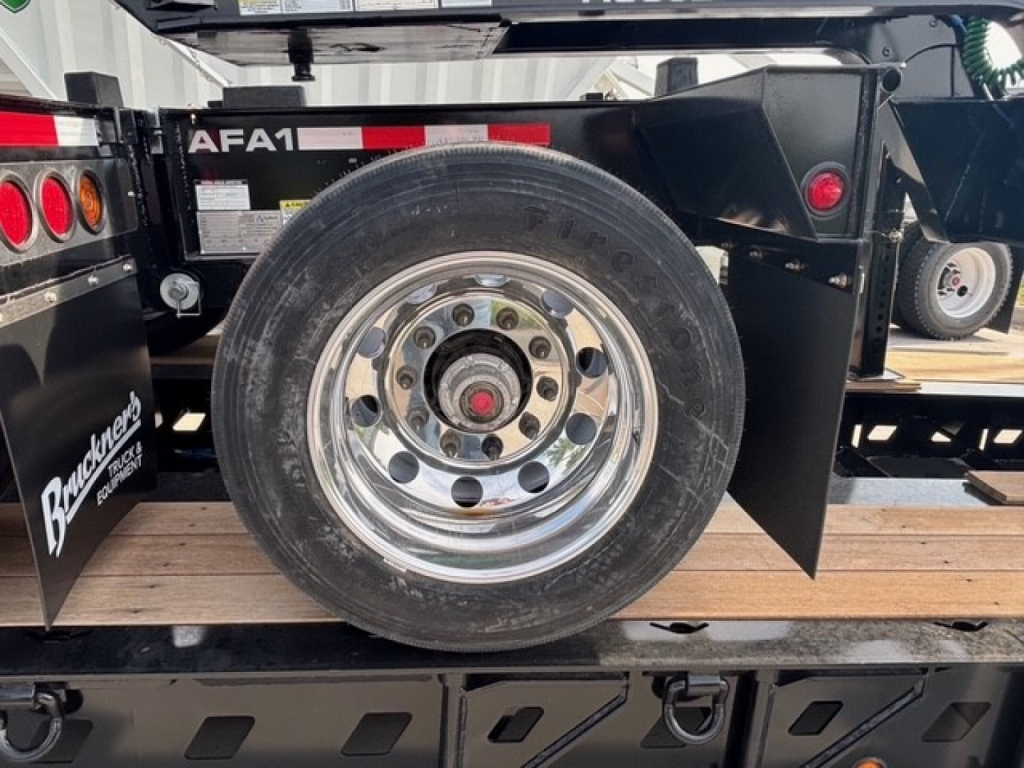
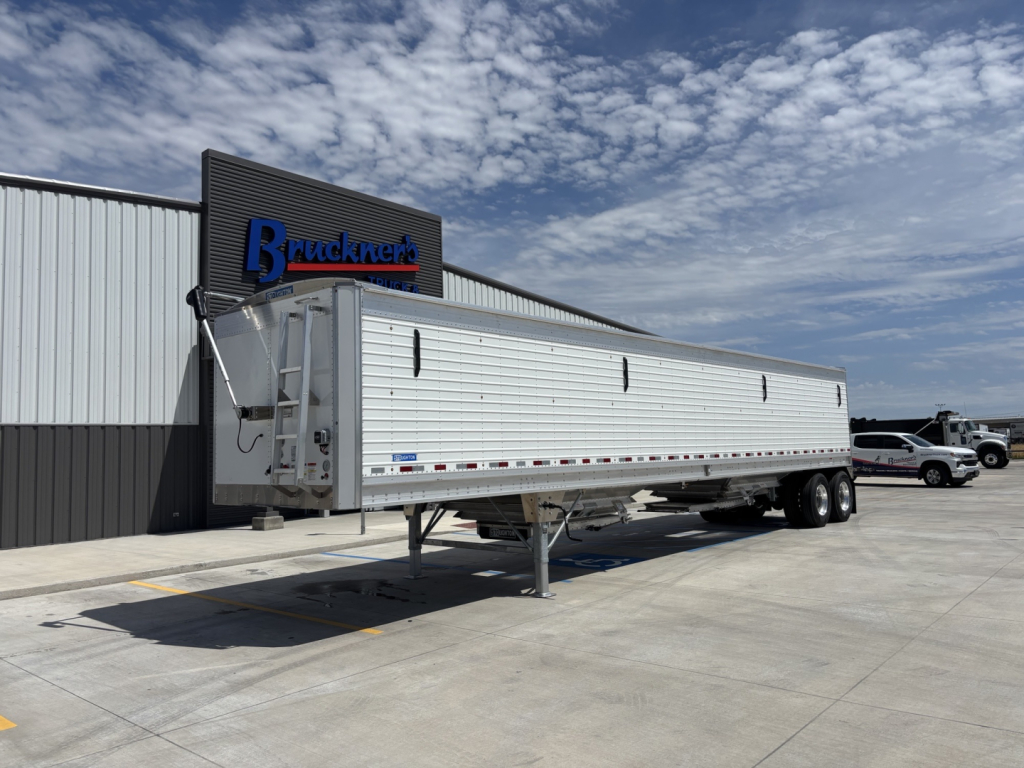
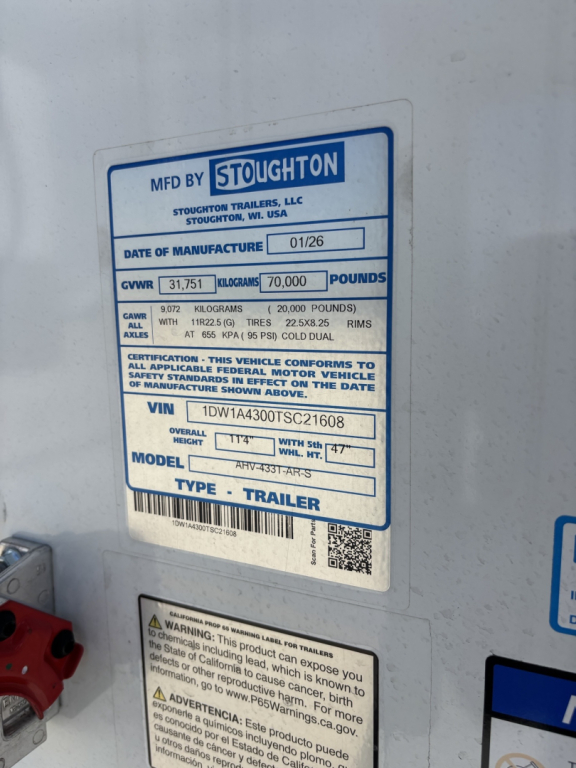
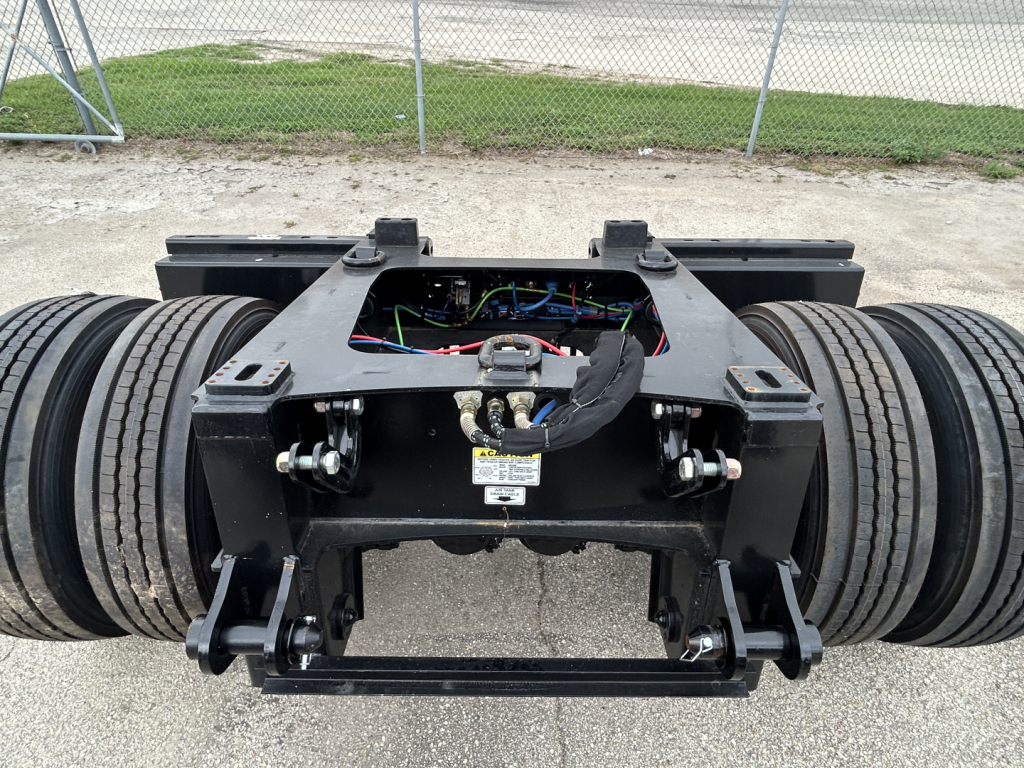
Selling a 2026 trailer? List your 2026 trailer for sale and reach thousands of commercial buyers.
2026 Trailers in Kansas
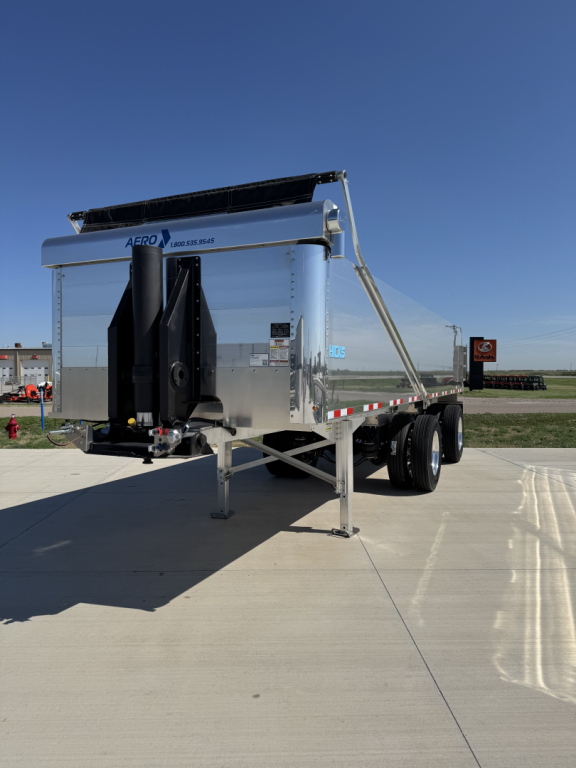
For van trailers, the most common configuration is a 53-foot x 102-inch dry van with logistics-ready features such as plywood lining, scuff liners or scuff plate, wood flooring, E-track, roll-up doors, front and rear vents, and undertray storage systems. Sliding tandems remain important for weight distribution and dock positioning, especially in mixed regional and over-the-road service. Suspension choice matters here. Air ride generally protects freight better and is preferred for higher-value or damage-sensitive cargo, while spring ride can reduce complexity and acquisition cost. Tire inflation systems, low-profile 22.5 rubber, and disc or drum brake setups are also worth comparing when maintenance intervals and operating cost matter.
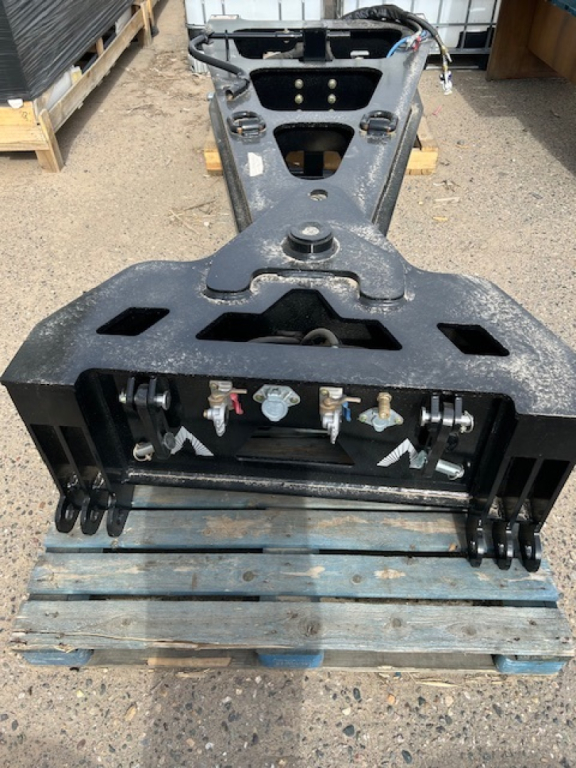
For heavy haul trailers such as lowboys and jeep dollies, the buying decision shifts toward capacity, neck style, swing clearance, fifth wheel height, and suspension controls. A lowboy, also known as a low-bed trailer, is built to keep tall equipment legal by lowering loaded deck height, while a jeep dolly is used to distribute weight and help configure multi-axle combinations for permitted loads. Buyers should review gooseneck length, rigid versus hydraulic neck design, flip neck extensions, deck length, axle rating, ride-height positions, and whether the trailer is prepped for additional axles or spreader bars. Details like Air-Weigh scales, raise-lower valves, bent D-rings, boom troughs, and heavy-duty wheel covers can make a meaningful difference in daily operation and permit compliance.
Kansas fleets often need trailers that can handle interstate miles, agricultural support, energy-related work, and construction equipment movement across varied terrain and seasonal conditions. That makes corrosion resistance, lighting quality, brake serviceability, and tire availability practical buying factors, not just spec-sheet details. Aluminum van construction can reduce empty weight for freight operations, while steel lowboy and dolly construction remains standard where concentrated load strength matters most. The right 2026 trailer is the one that matches freight profile, route restrictions, tractor specs, and maintenance capacity without adding unnecessary complexity.
Frequently Asked Questions about 2026 Trailers in Kansas
What should I look for first when comparing 2026 trailers for sale in Kansas?
Start with the job the trailer will do most often. Dry freight, heavy equipment, and permitted oversize loads require very different trailer designs. After application, focus on length, axle count, suspension, brake type, kingpin setting, and loaded height. Those specifications determine legal compliance, payload distribution, maneuverability, and whether the trailer will pair correctly with your tractor and routing requirements in Kansas and surrounding states.
What is the difference between a lowboy trailer and a jeep dolly?
A lowboy trailer is a specialized equipment hauler designed with a very low deck height so taller machines can be transported more easily within legal height limits. A jeep dolly is a separate component used between the tractor and trailer to distribute weight across additional axles in heavy haul configurations. Lowboys carry the load, while jeep dollies help manage axle weights, bridge formula requirements, and permit setup for oversize or overweight hauling.
Are air ride trailers better than spring ride trailers?
Air ride suspension is generally preferred when cargo protection, ride quality, and freight stability are priorities. It is common on dry vans and many specialized trailers because it reduces shock transfer to the load. Spring ride can still be a solid choice for fleets that want a simpler setup with fewer components to maintain. The better choice depends on cargo sensitivity, maintenance practices, and total operating cost rather than price alone.
Why do sliding tandems matter on van trailers?
Sliding tandems let the operator adjust axle position to balance weight, comply with bridge laws, and improve maneuverability at docks and in tight yards. On a 53-foot van, tandem position can affect how easily the trailer scales, how it tracks in urban turns, and how it loads at different facilities. Buyers should check slider condition, locking mechanism operation, and how the tandem setting fits the lanes and customers they serve.
Which trailer specs matter most for heavy haul work?
For heavy haul, the key specs are axle capacity, number of axles, deck length, loaded deck height, gooseneck type, fifth wheel height, swing clearance, and brake and suspension ratings. Buyers should also evaluate tie-down points, hydraulic or rigid neck design, ride-height adjustment, tire size, and whether the trailer can be configured for additional axles. These details affect permitability, machine fit, loading method, and how efficiently the trailer can be used across different jobs.