
2024 Trailers For Sale in Illinois
Shop 2024 trailers for sale in Illinois, including dry vans, double drops, containers, and more for freight, storage, and heavy haul work.
Selling a 2024 trailer? List your 2024 trailer for sale and reach thousands of commercial buyers.
2024 Trailers in Illinois
Dry vans remain the backbone of general freight operations, and a 2024-spec trailer often reflects current fleet preferences for low maintenance and fuel efficiency. Common specs include 53-foot length, 102-inch width, logistics posts or E-track, composite or plywood lining, scuff liners, threshold plates, wood floors, and either swing or roll-up rear doors. Suspension choice still matters. Air ride is preferred for ride quality and cargo protection, while sliding tandems help with bridge law compliance and weight distribution across Illinois and neighboring Midwest lanes. Buyers should also pay attention to side skirts, tire inflation systems, galvanized rear frames, and interior lining type, especially if the trailer will stay in high-cycle dock service.
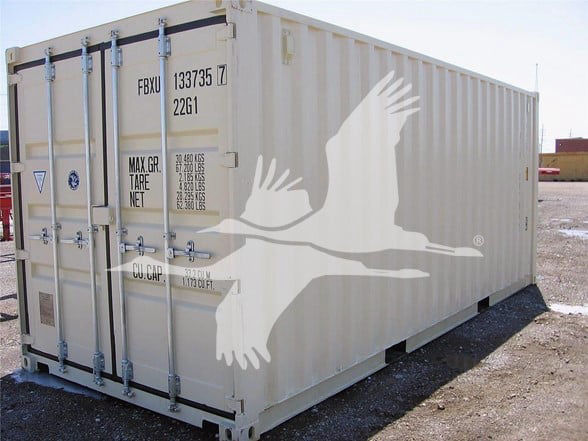
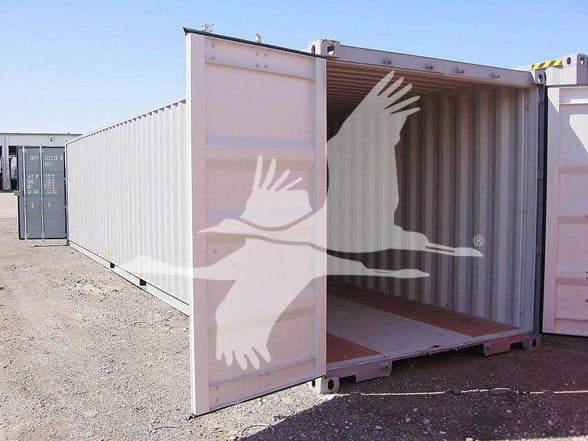
Specialized 2024 trailers deserve a closer look at geometry and structure. A mechanical detachable gooseneck double drop, also known as an RGN-style heavy haul trailer in some fleets, is selected based on loaded deck height, deck length, ground clearance, gooseneck swing radius, and rated capacity in tons. Outrigger spacing, ramp design, suspension controls, and empty weight all affect what equipment can be loaded and how efficiently the trailer can be permitted. For container-based equipment, buyers usually focus on steel construction, floor rating, gooseneck tunnel design, corner castings, and whether the unit is intended for domestic freight use, grounded storage, or repeated chassis handling. In Illinois, trailer buyers often balance highway miles, seasonal corrosion exposure, and yard abuse, so frame coating, crossmember durability, and understructure condition are worth close attention.
A good 2024 trailer purchase comes down to matching specification to lane, commodity, and service interval. High-volume dry freight fleets may prioritize aerodynamic features, logistics-ready interiors, and low-profile 22.5 rubber. Heavy equipment haulers will care more about deck configuration, suspension, and legal payload capability. Storage and container users may value floor strength, weather resistance, and handling compatibility over road equipment details. The right trailer is the one that fits the freight, the tractor, and the compliance requirements without forcing compromises on uptime or loading efficiency.
Frequently Asked Questions about 2024 Trailers in Illinois
What should I look for first when buying a 2024 trailer in Illinois?
Start with application, then verify the core dimensions and running gear. For dry vans, that usually means length, width, interior height, rear door type, suspension, and tandem configuration. For heavy haul trailers, focus first on ton rating, deck height, deck length, gooseneck style, and ground clearance. Illinois buyers should also consider corrosion protection, axle spread or sliding tandem needs, and how the trailer will perform in Midwest regional freight, yard work, or seasonal weather.
Are 2024 dry van trailers typically 53 feet long and 102 inches wide?
Yes, the standard over-the-road dry van configuration is commonly 53 feet long and 102 inches wide. Many are built with wood floors, interior scuff protection, logistics tracks or posts, and either swing or roll-up rear doors. That said, shorter pup vans and specialty dimensions still exist for route delivery, LTL, and urban applications, so the best size depends on loading dock access, freight density, and state bridge law considerations.
What is the advantage of a sliding tandem on a trailer?
A sliding tandem gives the operator flexibility to shift axle position for weight distribution and bridge law compliance. That matters when freight weights vary from load to load or when operating across multiple states with different enforcement patterns. A properly functioning slider can also help balance tractor-trailer axle groups and improve loading options at the dock, but buyers should inspect the rail, pins, bushings, and locking mechanism closely.
How do I compare a 2024 double drop trailer to a standard flatbed or van?
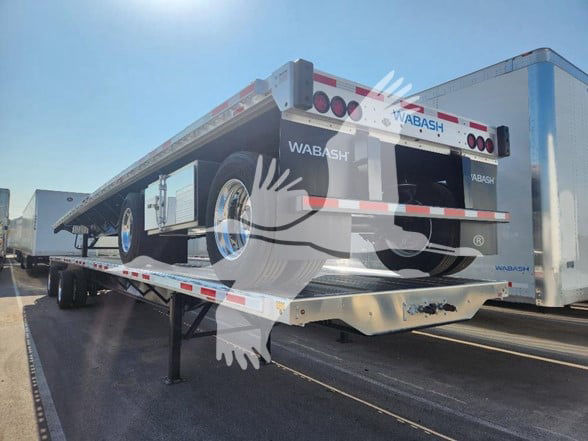
A double drop is built for taller or heavier freight that cannot ride legally or safely on a standard deck height. The lower well deck reduces loaded height, which can be critical for construction equipment, industrial machinery, and oversize loads. Key comparison points include legal deck height, clear well length, detachable or fixed gooseneck design, capacity rating, empty weight, and ramp or loading method. It is a purpose-built trailer, so its value depends on matching it to the freight profile.
Are domestic containers considered trailers?
In many marketplace categories, domestic containers appear alongside trailers because they serve similar freight and storage roles, but they are not road trailers by themselves. A domestic container is a steel freight box designed to be moved on compatible chassis or handling equipment. Buyers typically compare them based on floor rating, structural integrity, corner castings, gooseneck tunnel design, and suitability for storage, regional freight moves, or intermodal-related operations.