
2020 Trailers For Sale in South Dakota
Browse 2020 trailers for sale in South Dakota, including dry vans, reefers, flatbeds, and specialized specs for regional and over-the-road use.
Learn more
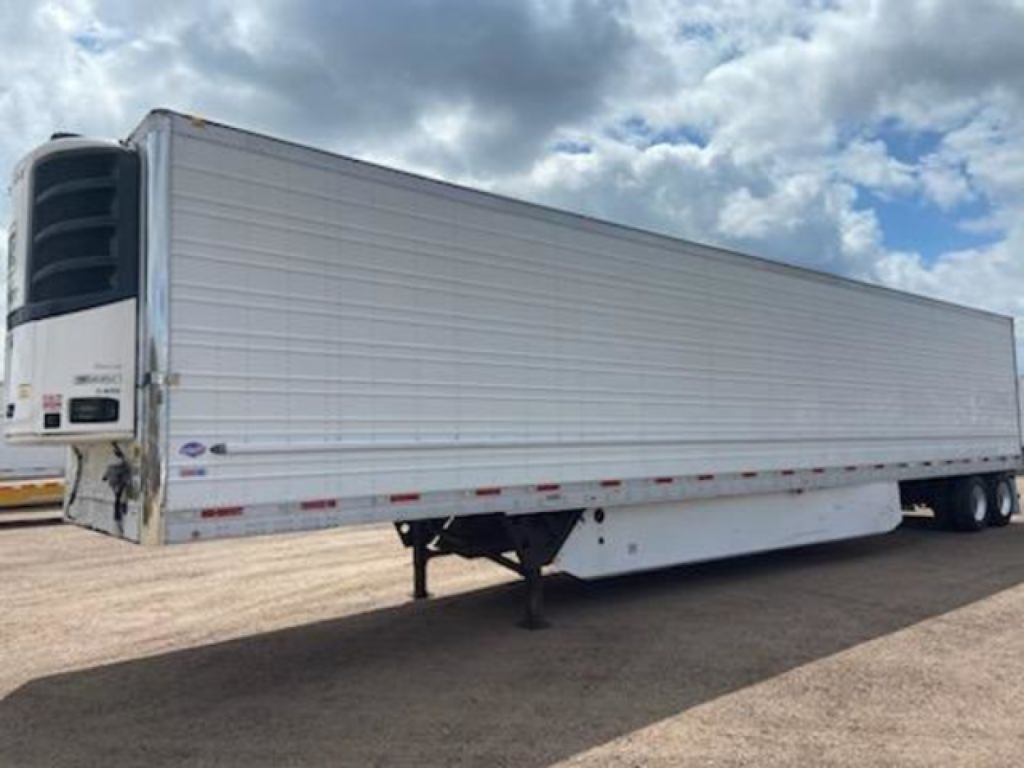
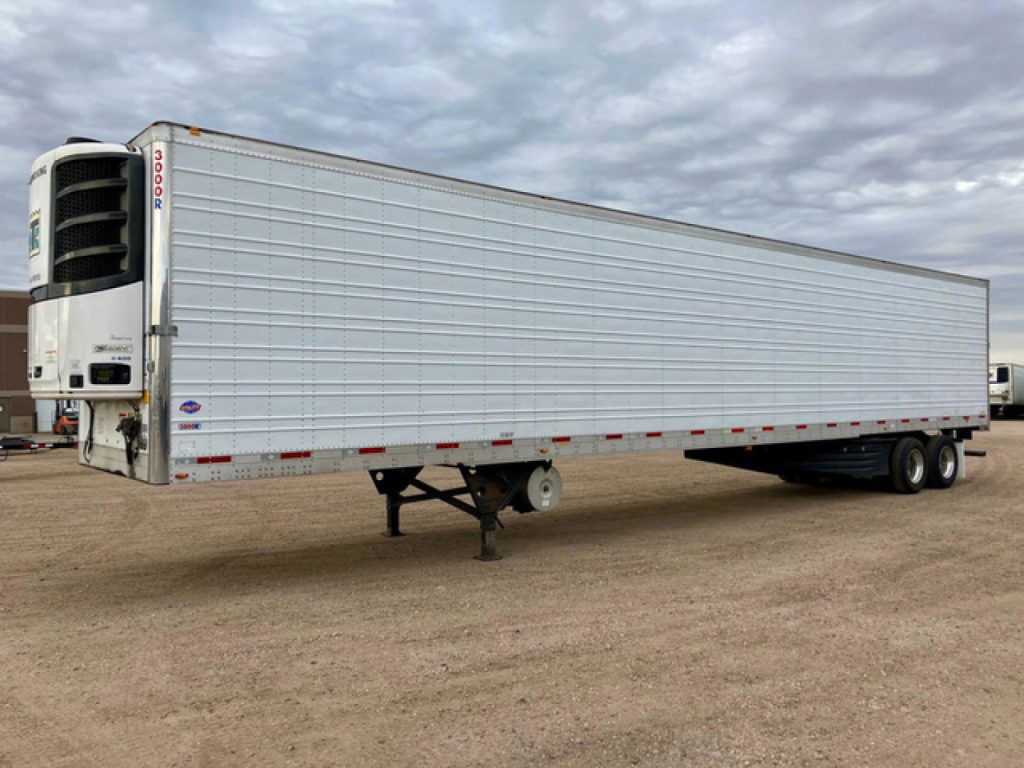
Have 2020 trailer to sell? List it here to reach thousands of buyers.
About 2020 Trailers in South Dakota
For South Dakota operations, trailer spec matters as much as age. Long highway runs, winter weather, wind exposure, and seasonal agricultural demand all put focus on suspension condition, brake wear, tire matching, and structural integrity. Air ride suspension is common on road-spec trailers because it protects freight and improves ride quality. Sliding tandems remain important for bridge-law flexibility and dock positioning. Buyers should also pay attention to roof material, floor condition, crossmember spacing, wheel-end maintenance history, and signs of corrosion around the rear frame, slider box, and landing gear mounts.
If you are comparing 2020 reefer trailers, look closely at insulation condition, interior liner integrity, door seal performance, and refrigeration unit hours in addition to trailer mileage or appearance. Many 53-foot refrigerated trailers from this era carry aluminum roofs, 22.5 tires, aluminum wheels, and tandem slide setups, which are practical specs for grocery, dairy, frozen food, and multi-stop distribution. For dry vans, common decision points include swing doors versus roll doors, logistics post layout, scuff liner condition, and floor ratings for pallet jack or forklift use. For flatbeds and drop decks, deck material, winch track setup, coil package, and tire inflation systems can have a direct effect on uptime and load versatility.
A good 2020 trailer should be evaluated as a working asset, not just by model year. Maintenance records, prior duty cycle, and how the trailer was spec’d often matter more than paint or panel appearance. Check kingpin wear, tandem slide operation, ABS function, air system leaks, door alignment, and tire date codes before making a decision. Buyers who match trailer type, axle configuration, and body construction to their freight profile usually get better utilization, lower repair surprises, and stronger resale value over time.
Frequently Asked Questions
What should I look for first when buying a 2020 trailer?
Start with the trailer’s intended application and then inspect the major wear points that affect uptime and compliance. Frame condition, brake system health, suspension wear, tire condition, wheel ends, floor integrity, and kingpin wear are high-priority items. On a 2020 model, the age is still reasonable, but actual value depends heavily on maintenance history, previous freight type, and whether the trailer was run in corrosive winter environments or heavy-duty regional service.
Is a 2020 reefer trailer still a good buy for temperature-controlled freight?
A 2020 reefer trailer can still be a very practical choice if the box and refrigeration system have been maintained correctly. Buyers should inspect the interior liner for punctures, verify door seals and rear frame condition, check for air leaks, and review reefer unit hours and service records. Insulation performance and unit reliability matter more than cosmetic appearance because temperature retention drives fuel use, cargo protection, and claim exposure.
Why are sliding tandems important on many 2020 trailers?
Sliding tandems give the operator more flexibility in axle weight distribution and overall trailer positioning. That matters for bridge-law compliance, state-specific axle requirements, loading patterns, and dock access. On used trailers, the tandem slide should move freely, lock correctly, and show no major structural damage or excessive corrosion around the slider rails and locking components.
Are 22.5 tires and aluminum wheels common on 2020 trailers?
Yes, 22.5-inch tires are a common road-spec trailer size, and aluminum wheels are frequently found on van and reefer equipment because they reduce weight and resist corrosion better than steel. Buyers should still inspect tread depth, tire date codes, irregular wear patterns, and any signs of impact damage or wheel cracking. Wheel and tire condition can quickly change the true operating cost of a used trailer.
Does South Dakota use change what trailer specs make sense?
Yes. South Dakota buyers often need specs that hold up to wind, cold weather, long highway miles, and seasonal freight swings tied to agriculture, food, and construction. That makes brake performance, suspension condition, tire quality, lighting reliability, and corrosion control especially important. A trailer with sound structural components and road-ready running gear is usually a better fit than one chosen mainly for cosmetic condition.