
2020 Utility Trailers For Sale in South Dakota
Browse 2020 Utility trailers for sale in South Dakota, including reefer and dry van specs, common features, and buyer-focused inspection tips.
Learn more
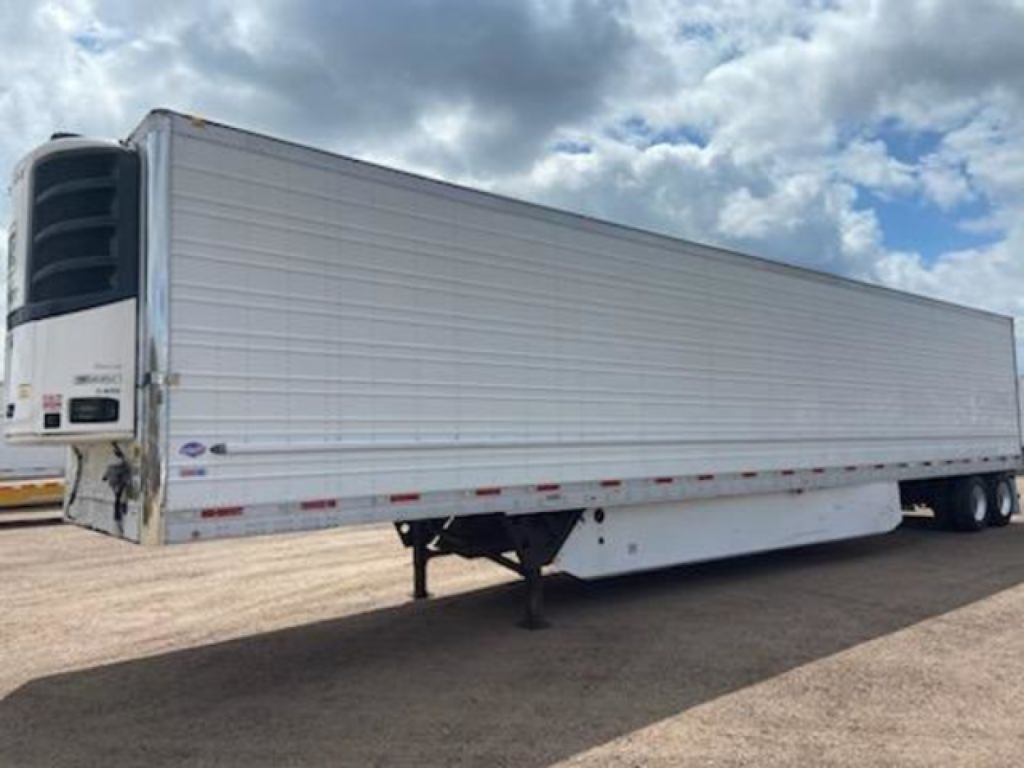
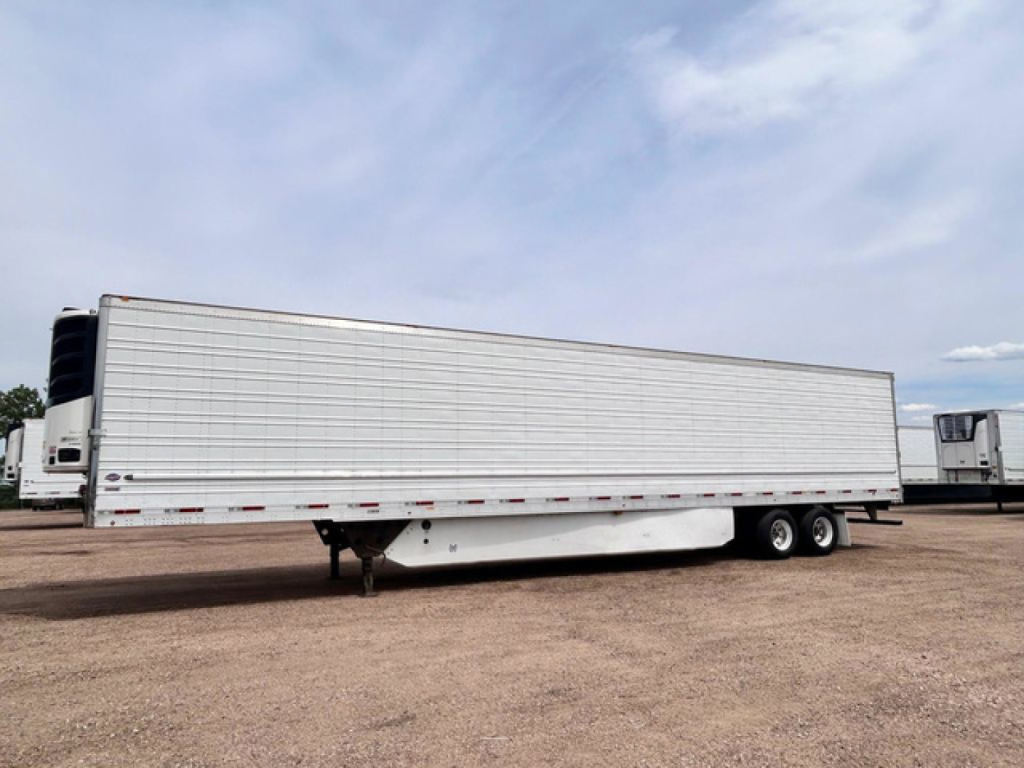
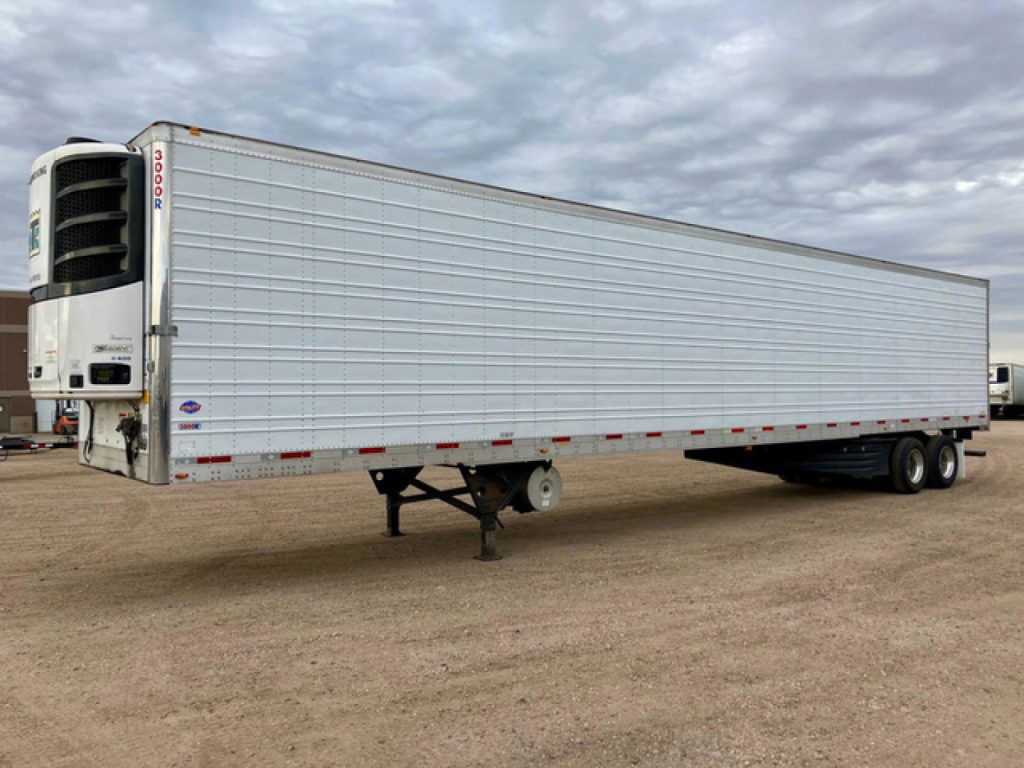
Have 2020 utility trailer to sell? List it here to reach thousands of buyers.
About 2020 Utility Trailers in South Dakota
For refrigerated applications, a 2020 Utility reefer should be evaluated beyond the box itself. Buyers usually look at roof condition, front wall integrity, scuff liner height, floor type, and rear frame wear, then match that to the refrigeration unit hours and service history. Common specs include tandem sliding axles, air ride suspension, 22.5 low-profile tires, aluminum wheels, and swing doors. Trailer sidewall condition, drain maintenance, and the state of the insulation package matter just as much as the reefer unit if the trailer will be used for produce, frozen freight, dairy, or multi-stop distribution.
If the 2020 Utility trailer is a dry van, key decision points include interior height, logistics post layout, flooring thickness, roof bow condition, and door hardware. Fleet buyers often prefer sliding tandem setups for bridge compliance and load positioning flexibility, while regional operations may pay closer attention to swing door durability and dock performance. Utility trailers are commonly spec'd for standard over-the-road freight, retail distribution, and food-grade hauling, and many buyers look for clean crossmembers, straight rails, and consistent tire wear as signs of a trailer that has been maintained correctly.
On any 2020 model, inspection should focus on the maintenance items that affect uptime and operating cost. Check suspension bushings, brake lining life, ABS function, hub seals, tire age, kingpin wear, and signs of prior impact around the rear sill and nose. On reefer models, add door seal compression, floor repairs, and unit integration to the list. A well-kept 2020 Utility trailer can still offer years of productive service, especially for carriers that want a proven brand with familiar specs, broad serviceability, and strong acceptance in the secondary trailer market.
Frequently Asked Questions
What should I check first on a 2020 Utility reefer trailer?
Start with the trailer structure and temperature integrity before focusing only on the refrigeration unit. Check the roof, front wall, floor, rear frame, door seals, and sidewalls for damage, repairs, or moisture intrusion. Then review reefer unit hours, maintenance records, and operating performance. A clean trailer box with poor insulation or damaged door seals can create just as many service problems as a neglected unit.
Are 2020 Utility trailers good for fleet and resale use?
Yes. Utility trailers generally hold value well because the brand is widely recognized, parts and service support are readily available, and many fleets are already familiar with the platform. A 2020 model year is also new enough to align with current buyer expectations on suspension, axle configuration, and general trailer design, which helps both in operation and later resale.
What axle and suspension specs are common on 2020 Utility trailers?
Many 2020 Utility trailers are equipped with tandem sliding axles and air ride suspension. That setup gives operators flexibility for bridge laws, dock approach, and load distribution. Buyers should still verify axle spread, slider function, suspension wear, and tire size because those details affect legal payload positioning, ride quality, and maintenance cost.
How do South Dakota operating conditions affect used trailer buying decisions?
South Dakota use can expose trailers to winter road chemicals, freeze-thaw cycles, wind, and seasonal freight demands. Buyers should pay close attention to corrosion around the rear frame, landing gear, crossmembers, and fasteners. Door sealing, roof condition, and floor wear also matter because temperature swings and moisture can accelerate deterioration if a trailer has not been maintained consistently.
What is the difference between buying a 2020 Utility reefer and a 2020 Utility dry van?
The main difference is that a reefer trailer requires inspection of both the trailer body and the refrigeration-related systems, while a dry van purchase is more focused on structural condition, cargo protection, and interior wear. Reefer buyers need to consider insulation, floor type, door seal performance, and unit history. Dry van buyers usually focus more on floor life, wall condition, roof integrity, and door hardware durability.