
2020 Trailers For Sale in Ohio
Browse 2020 trailers for sale in Ohio, including flatbed, tank, lowboy, and dry bulk configurations with buyer-focused spec guidance.
Selling a 2020 trailer? List your 2020 trailer for sale and reach thousands of commercial buyers.
2020 Trailers in Ohio
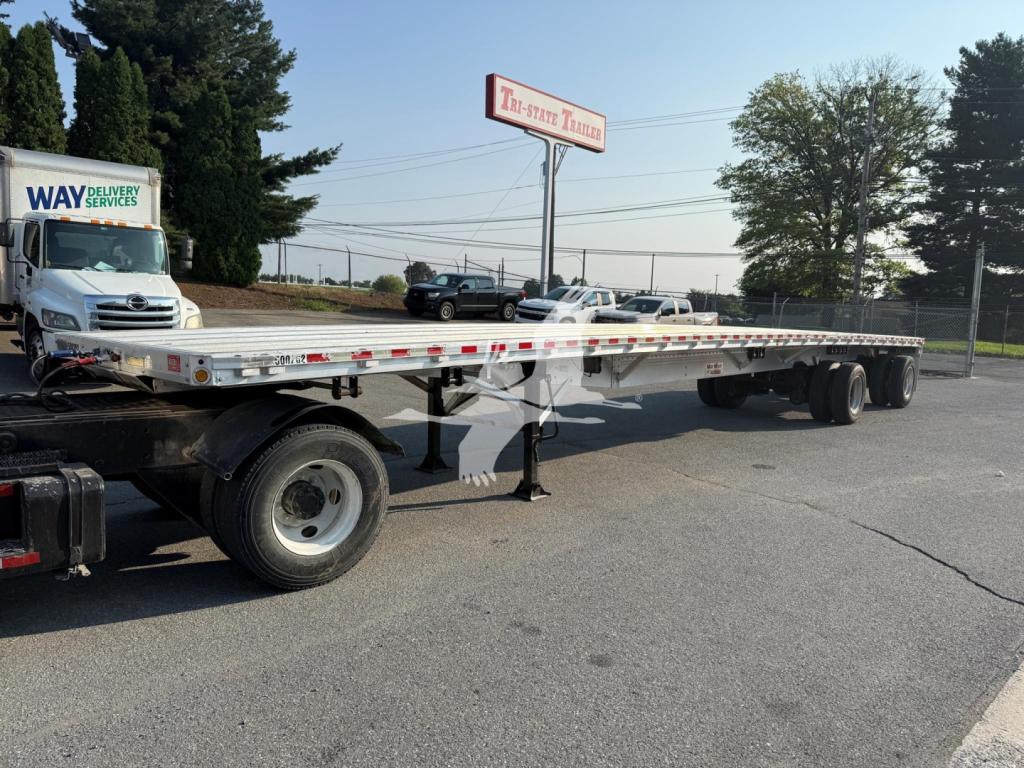
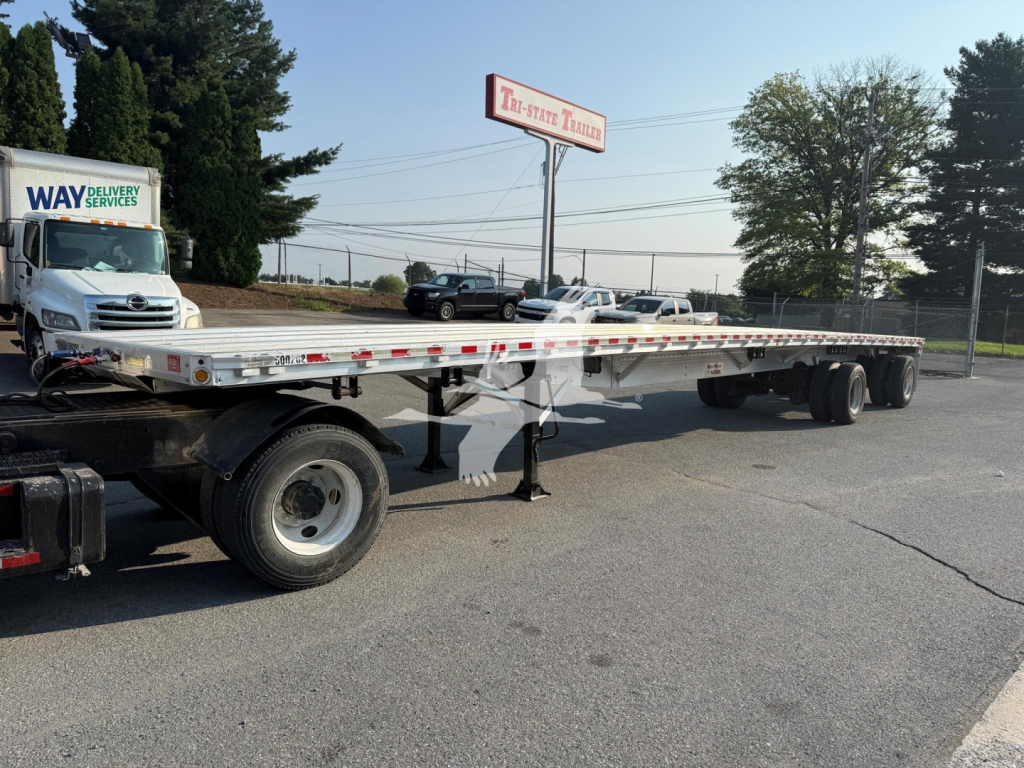
For general freight, 2020 flatbed trailers remain popular because many were ordered with the spec packages fleets still want today: aluminum construction, air ride suspension, sliding winches, winch tracks, pipe spools, coil packages, and dual-function tie-down layouts. Buyers should pay close attention to length, floor type, crossmember spacing, kingpin setting, and axle spread, especially if bridge law compliance or regional weight rules matter in Ohio and surrounding states. Aluminum flatbeds from this model year can offer strong payload capacity with lower tare weight, but side rail condition, floor wear, and signs of concentrated loading around coil wells or fork traffic are worth checking closely.
In specialized applications, 2020 lowboy trailers are often evaluated on deck height, neck style, ground clearance, concentrated load rating, and the condition of outriggers, ramps, and deck flooring. A mechanical detachable gooseneck setup may suit straightforward equipment hauling, while buyers moving varied machinery may care more about swing clearance, flip axle provisions, and deck length distribution. For 2020 tank trailers, the decision usually centers on code, commodity compatibility, compartment layout, and valve configuration. DOT 406 units used in fuel service should be reviewed for product piping condition, overfill systems, vapor recovery equipment, emergency valve operation, and cabinet layout. For 2020 pneumatic dry bulk trailers, barrel material, cubic foot capacity, number of hoppers, discharge plumbing, and blower compatibility are central to productivity and unloading time.
Condition matters more than model year alone. On any 2020 trailer, buyers should inspect suspension components, tire wear patterns, wheel-end service records, brake type, ABS function, frame or subframe corrosion, and evidence of prior structural repair. In Ohio, seasonal exposure to road salt makes undercarriage condition especially important on steel components, hangers, crossmembers, and landing gear mounts. A well-kept 2020 trailer can still deliver strong service life, especially when the spec matches the lane, commodity, and loading equipment used every day.
Frequently Asked Questions about 2020 Trailers in Ohio
What should I look for first when buying a 2020 trailer?
Start with the trailer's intended application, then verify the core spec supports that work. Length, axle layout, suspension type, tare weight, deck or tank configuration, and load securement features should all match the freight you haul most often. After that, review maintenance records and inspect high-wear areas such as brakes, tires, bushings, wheel ends, floors, side rails, valves, and structural welds. A 2020 trailer with the right spec and a clean service history is usually a better buy than a newer trailer with the wrong configuration.
Is a 2020 trailer still considered a good value for commercial use?
Yes, a 2020 trailer can be an excellent value if condition and spec are right. Many 2020 models already include modern lighting, air ride suspension, ABS, and fleet-friendly configurations that remain current in today's market. Buyers often target this model year because it can offer lower acquisition cost than new equipment while still providing long useful life. The real value depends on prior use, maintenance quality, and how closely the trailer matches your payload and route requirements.
Are aluminum 2020 trailers better than steel trailers?
Neither is automatically better because the decision depends on the job. Aluminum trailers are favored when payload is critical because they reduce tare weight and resist corrosion well, which can matter in states like Ohio. Steel trailers are often preferred in severe-duty applications where concentrated loads, impact resistance, or heavy equipment hauling are priorities. Buyers should compare total weight, repair history, expected service environment, and the type of freight before deciding between aluminum and steel construction.
What matters most on a 2020 flatbed trailer?
On a 2020 flatbed, the most important details are weight rating, floor condition, side rail integrity, tie-down equipment, axle spacing, and suspension condition. Many buyers also check for coil package reinforcement, number and condition of sliding winches, winch track layout, pipe spools, and kingpin setting. If the trailer will run in multiple states, bridge law compliance and spread-axle configuration can be just as important as payload capacity. Visible rail damage, loose crossmembers, or worn flooring can affect both safety and resale value.
How important is corrosion on a 2020 trailer in Ohio?
Corrosion is a major inspection point for any used trailer operated in Ohio because winter road treatment can accelerate rust on steel parts. Even when the trailer body is aluminum, buyers should still inspect steel subcomponents such as suspension mounts, axles, brake hardware, landing gear, crossmember connections, and fasteners. Surface rust may be manageable, but scaling, pitting, cracked coatings, and rust around welds or structural attachment points deserve close attention. Corrosion can turn a good-looking trailer into a costly repair project if it reaches structural areas.