
2020 Trailers For Sale in New York
Browse 2020 trailers for sale in New York, including dry vans, reefers, flatbeds, and step decks with specs that fit regional freight needs.
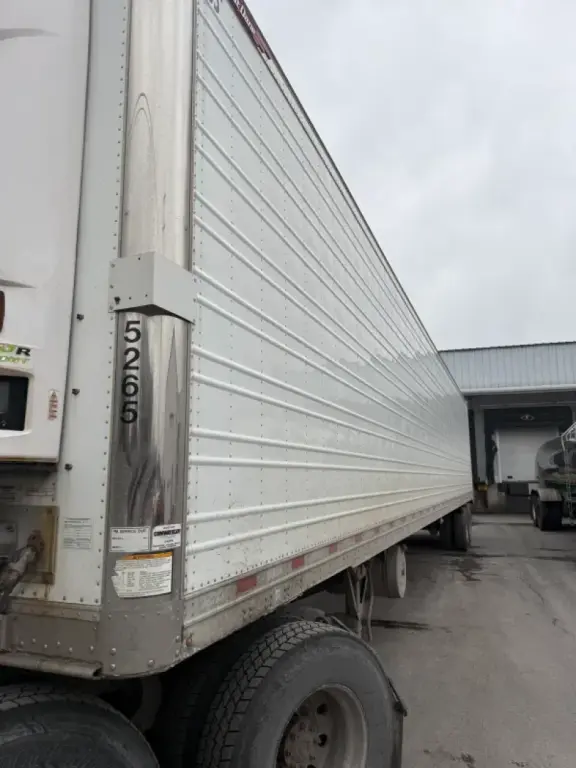
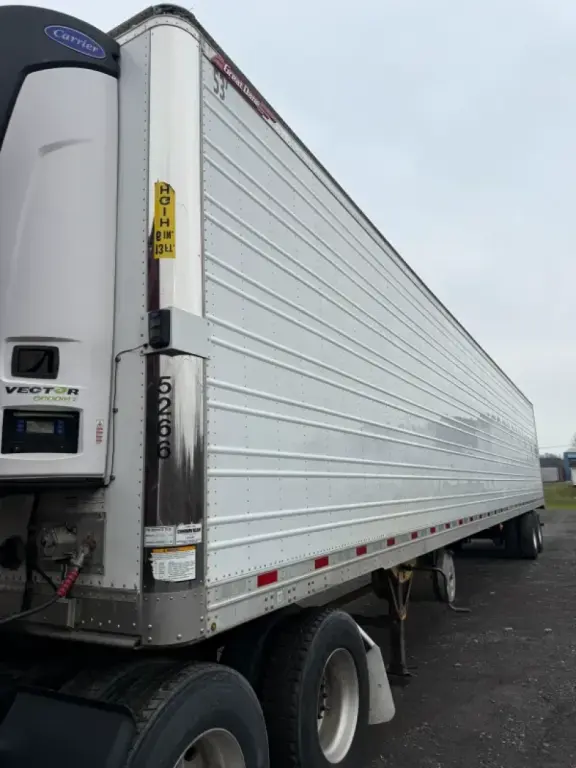

Selling a 2020 trailer? List your 2020 trailer for sale and reach thousands of commercial buyers.
2020 Trailers in New York
The biggest buying decision is matching trailer type to freight profile. In this market, 2020 dry vans remain a common choice for general freight, retail, LTL support, and warehouse-to-distribution work, with typical specs around 53 feet long, 102 inches wide, swing or roll-up rear doors, wood floors, and either spring ride or air ride suspension. Reefer trailers from this year are often equipped with newer refrigeration platforms, duct or channel floors, scuff liners, stainless rear frames, and aerodynamic skirts, which can matter for food-grade work and long regional lanes. Flatbeds and step decks, also known as drop deck trailers, are the right fit for machinery, building materials, and freight that needs side loading or deck height flexibility. On open-deck equipment, buyers should focus on deck condition, crossmember spacing, ramp provisions, rub rail and winch track layout, and overall frame integrity.
A 2020 trailer should also be evaluated by lifecycle items, not just age. Look closely at suspension type, axle configuration, wheel-end service history, brake condition, tire size standardization, and whether the trailer uses fixed tandems, sliding tandems, or spread axles. For Northeast operation, corrosion exposure is a real factor, especially on trailers that have seen winter road salt, so inspect rear impact guards, landing gear mounts, crossmembers, door frames, and lower rail areas. On vans and reefers, pay attention to roof condition, floor wear, interior lining, door seal integrity, and evidence of repeated dock impact. On reefer units, engine hours, electric standby if equipped, unit start history, and maintenance records usually tell more than the model year alone.
Buyers comparing 2020 trailers in New York should think beyond dimensions and capacity. Bridge formulas, axle spread, empty weight, and dock compatibility all affect daily usability in regional freight. A lighter dry van may improve payload, while a heavier reefer with the right insulation package and unit spec may deliver better temperature pull-down and product protection. For urban and short-haul work, maneuverability, door access, and landing gear durability can matter as much as trailer age. The best 2020 trailer is the one with a spec package that fits the freight, runs legally on your lanes, and can be maintained easily with parts and service support already common across the market.
Frequently Asked Questions about 2020 Trailers in New York
What are the main advantages of buying a 2020 trailer?
A 2020 trailer often gives buyers a strong balance of cost, remaining service life, and current design features. Many 2020 models still reflect modern trailer construction, common tire and brake specs, aerodynamic options, and parts that are widely available through dealer and aftermarket channels. Compared with older equipment, a 2020 trailer may offer lower expected repair frequency, better resale appeal, and easier fleet standardization without the higher acquisition cost of a new trailer.
Which 2020 trailer type is best for New York freight?
That depends on the lanes and commodity. Dry vans are the standard choice for general freight, retail, packaged goods, and distribution center work. Reefers are preferred for produce, frozen freight, dairy, pharmaceuticals, and any temperature-controlled application. Flatbeds and step decks are better suited for construction materials, steel, equipment, and oversize freight that cannot be loaded through rear doors. In New York, buyers should also factor in tight urban deliveries, dock frequency, and winter operating conditions when selecting trailer type and suspension.
What should I inspect first on a used 2020 reefer trailer?
Start with the refrigeration unit and the trailer body as a system. Check engine hours, unit service history, start-up behavior, alarm history, and whether the unit holds setpoint under load conditions. Then inspect the floor, bulkhead, lining, scuff plates, rear frame, door seals, and drain areas for damage or air leaks. A reefer trailer can look clean outside but still have floor wear, insulation issues, or poor seal condition that affects temperature control and operating cost.
Are 2020 dry vans and reefers likely to have modern fleet specs?
Yes, many 2020 trailers were built with specs that still align well with current fleet requirements. Common examples include 53-foot length, 102-inch width, air ride suspension, sliding tandems, aerodynamic skirts, LED lighting, and standardized 22.5-inch wheel and tire packages. On reefers, it is common to see newer unit platforms, aluminum or duct floors, and stainless rear structures. The exact spec still varies by original buyer, so two trailers from the same year can be built for very different duty cycles.
How important is corrosion inspection on a 2020 trailer in the Northeast?
It is very important, even on a 2020 model. Northeast road salt can accelerate corrosion on crossmembers, support brackets, rear sills, ICC bumpers, door hardware, and landing gear components. Surface rust is common and not always a structural issue, but scale, flaking, cracking around welds, and advanced corrosion near high-stress points should be evaluated carefully. A trailer with a good maintenance history and regular wash schedule can be a much better long-term buy than a similar-age unit that spent winters untreated in heavy salt exposure.