
2020 Trailers For Sale in Nebraska
Browse 2020 trailers for sale in Nebraska, including dry vans, reefers, belt trailers, and other spec options for freight and commodity hauling.
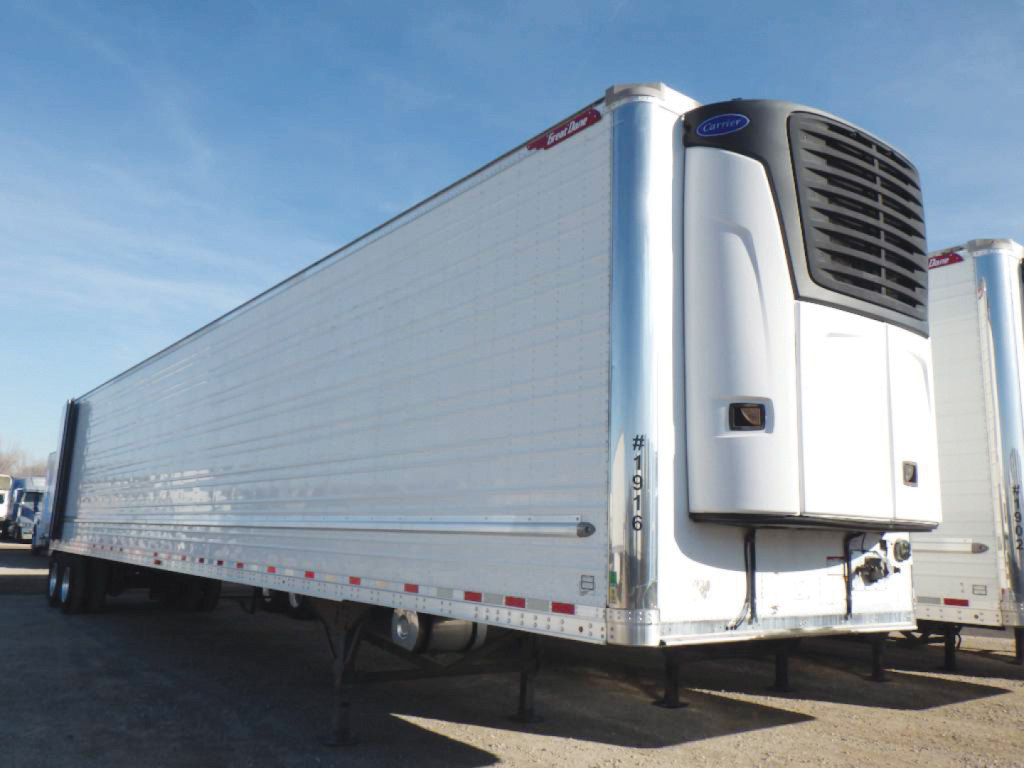
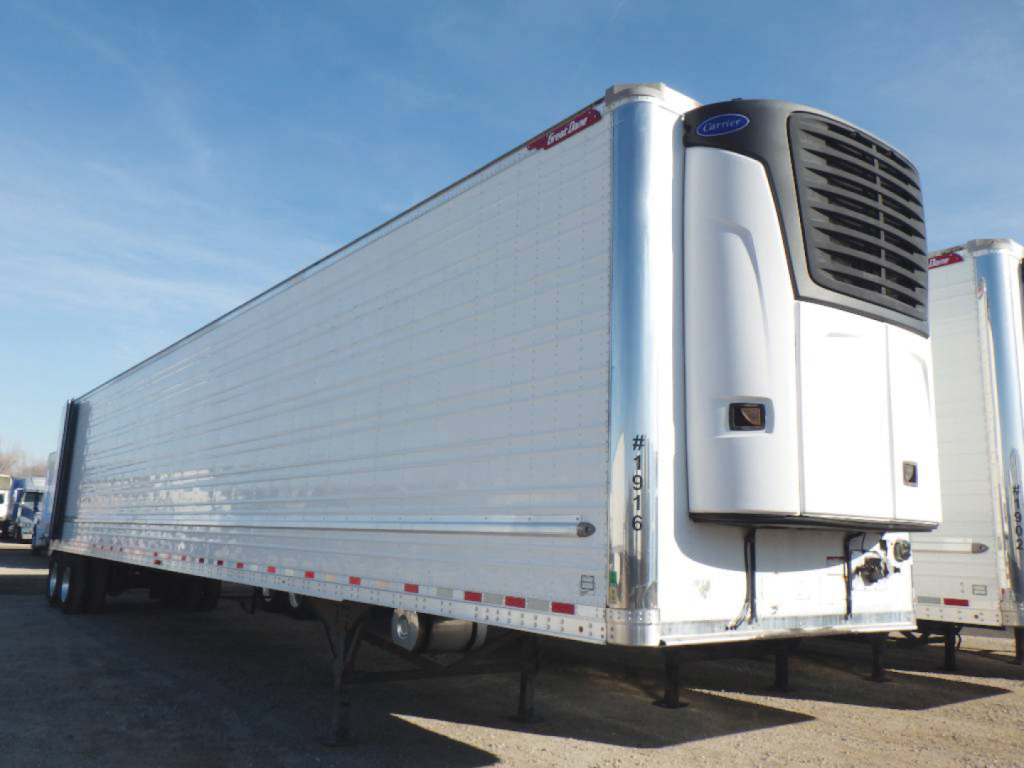
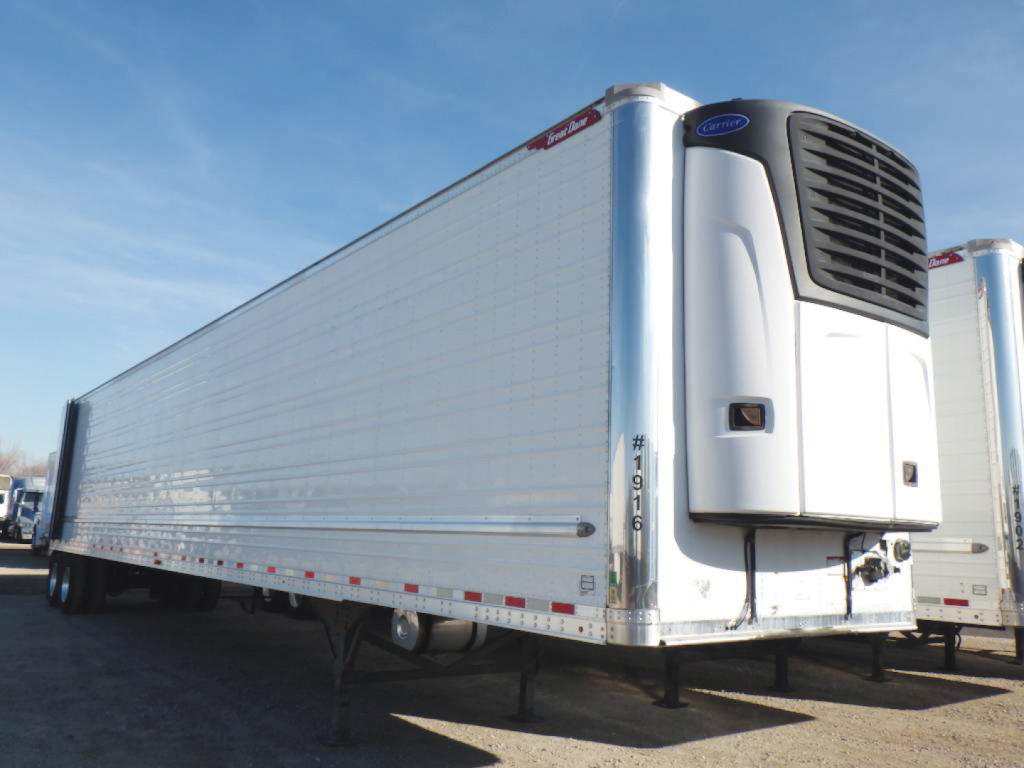
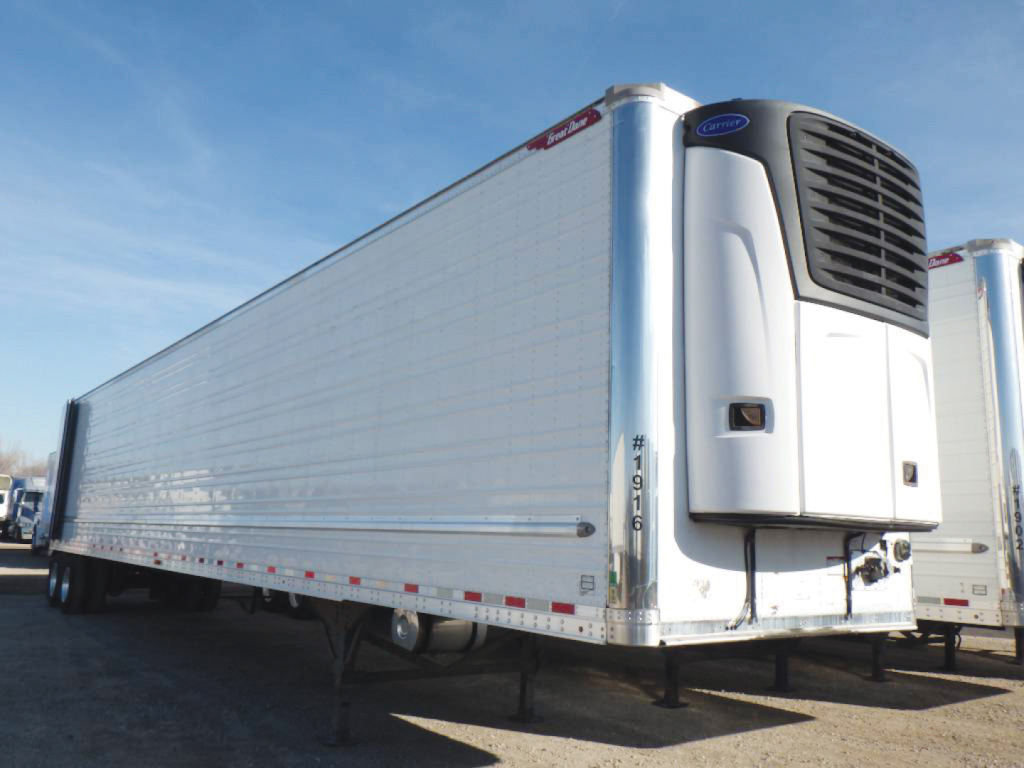
Selling a 2020 trailer? List your 2020 trailer for sale and reach thousands of commercial buyers.
2020 Trailers in Nebraska
For van and reefer buyers, the common benchmarks are still 53-foot length, 102-inch width, and 13-foot 6-inch overall height, but the real value is in the details. Inside height, wall lining, scuff liners, logistics posts or E-track, floor composition, and door style all affect loading efficiency and long-term maintenance. Reefer buyers should also evaluate the refrigeration unit brand, engine hours, duct floor condition, chute configuration, and whether the trailer has air ride, disc brakes, and a tire inflation system. In Nebraska freight service, where trailers may see long interstate runs, crosswinds, and frequent dock use, suspension condition, tandem slider operation, and rear frame integrity deserve a close inspection.
If you are considering a 2020 belt trailer, live bottom trailer, hopper, or other commodity trailer, focus on capacity, discharge system condition, liner wear, belt or floor integrity, tarp system, and axle ratings. Nebraska operators hauling corn, soybeans, distillers grain, silage, fertilizer, or construction material need a trailer that matches both payload targets and unloading environment. Air-ride suspensions, low-pro tires, aluminum wheels, and clean brake history can all add value, but structural condition is still the priority. Check crossmembers, kingpin area, landing gear mounts, suspension hangers, and signs of sidewall or frame repairs before comparing cosmetic features.
A 2020 trailer can also be a good fit for fleets standardizing specs across multiple lanes or owner-operators replacing older equipment with something easier to finance and maintain. Look at tare weight versus durability, especially if payload is revenue-sensitive. Confirm axle spread, kingpin setting, wheel end spec, brake type, and tire size so the trailer matches the tractors and freight you run today. A well-spec'd 2020 trailer should give you a strong balance of service life, resale appeal, and lower operating risk, provided the maintenance history and structural condition support the asking price.
Frequently Asked Questions about 2020 Trailers in Nebraska
What should I check first when buying a 2020 trailer?
Start with the trailer type and structural condition. A 2020 model can still be a strong value, but the frame, crossmembers, kingpin area, suspension mounts, floor, roof, and rear frame matter more than paint or appearance. After that, confirm the trailer's core specs such as length, width, inside height, axle setup, suspension type, brake package, and door configuration. Those details determine whether the trailer actually fits your freight and routing requirements.
Is a 2020 trailer considered a good value in the used market?
In many cases, yes. A 2020 trailer is new enough to offer modern spec options such as air ride, disc brakes, tire inflation systems, logistics track, improved lining packages, and lighter-weight construction, but it may avoid the premium attached to newer model years. Value still depends on application, maintenance history, and prior use. A heavily worked reefer or commodity trailer may show more wear than a lightly used van of the same year.
What matters most on a 2020 reefer trailer?
The refrigeration unit condition is the first major factor, including brand, model, engine hours, maintenance records, and temperature performance. After that, inspect the duct floor, chute, insulation integrity, door seals, stainless front components, and signs of moisture damage or floor soft spots. Reefer buyers should also verify suspension type, tandem slider condition, brake spec, and tire system condition because those items directly affect uptime and maintenance cost.
What matters most on a 2020 dry van trailer?
Dry van buyers should focus on inside height, wall lining, floor condition, scuff protection, logistics system, and door type. Swing doors and roll-up doors each have tradeoffs depending on dock conditions and freight mix. The trailer's tandem slider, suspension condition, roof integrity, and rear impact area are also critical because dry vans often spend years in high-cycle dock service. A sound floor and straight rear frame usually tell you more than cosmetic appearance.
Are 2020 trailers in Nebraska suitable for both regional and long-haul work?
Many are, provided the spec matches the job. Nebraska operations often combine interstate freight, agricultural hauling, and seasonal weather exposure, so buyers should look for practical specs such as air ride suspension, durable floors, reliable brake systems, and tire sizes that are easy to service. For long-haul work, aerodynamic features, lighter tare weight, and highway-oriented suspension specs may matter more. For regional or commodity work, durability, unloading setup, and structural strength usually take priority.