
2020 Trailers For Sale in Georgia
Browse 2020 trailers for sale in Georgia, including dry vans and freight trailers with specs, applications, suspension, tandem, and door options.
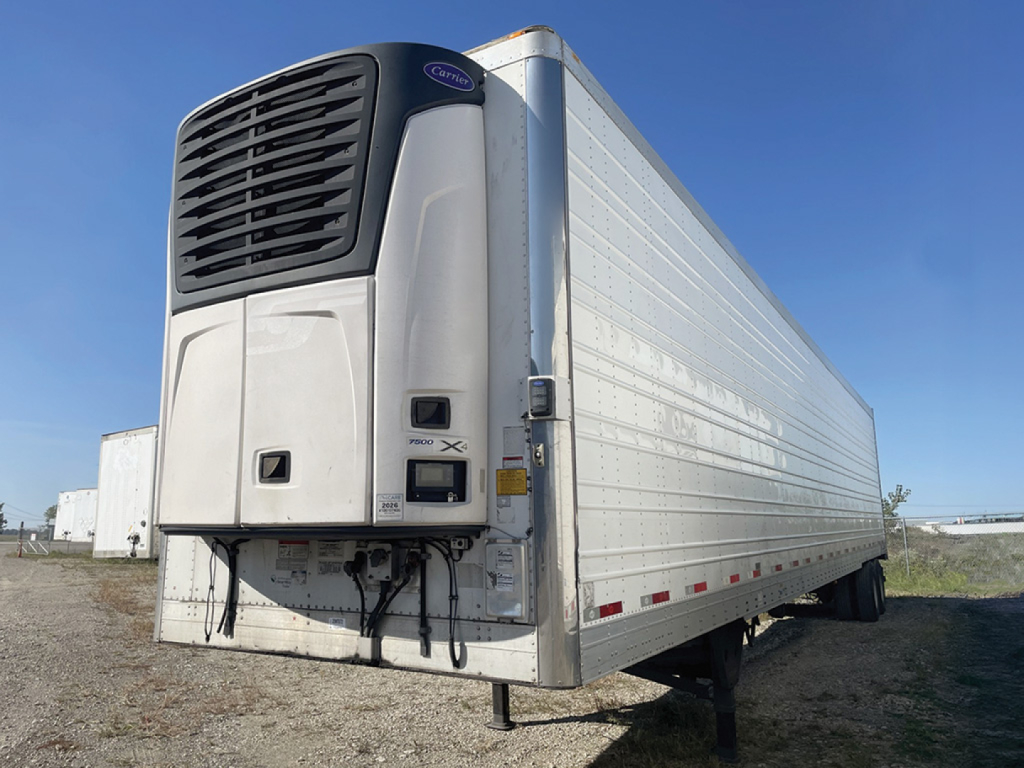
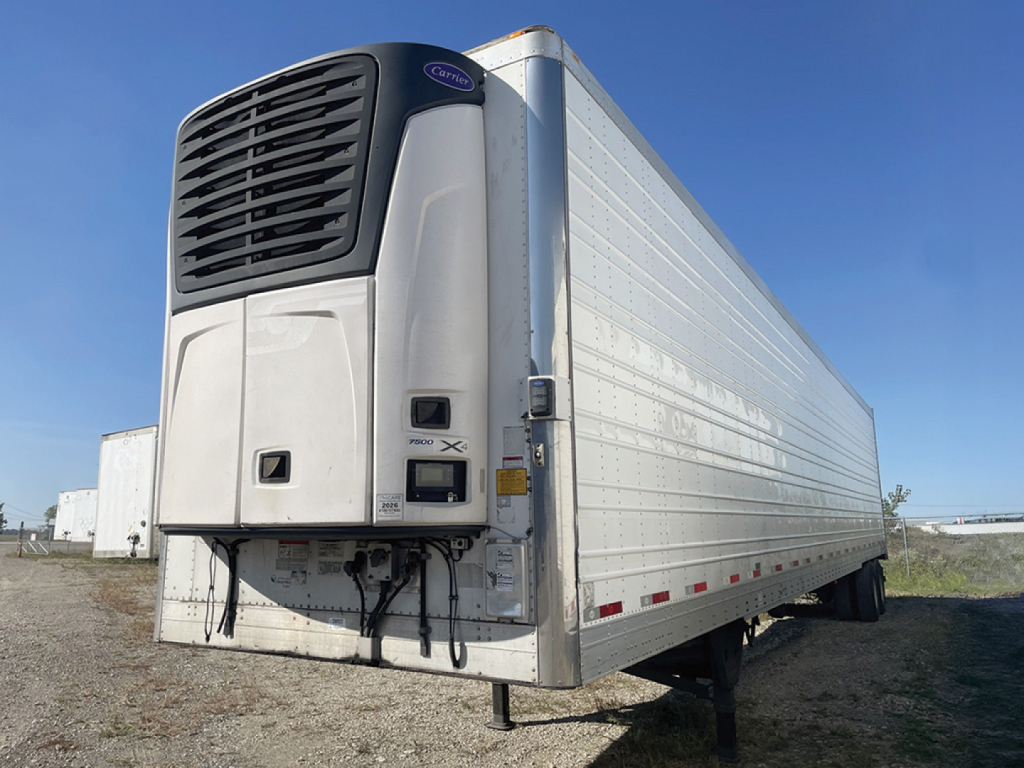
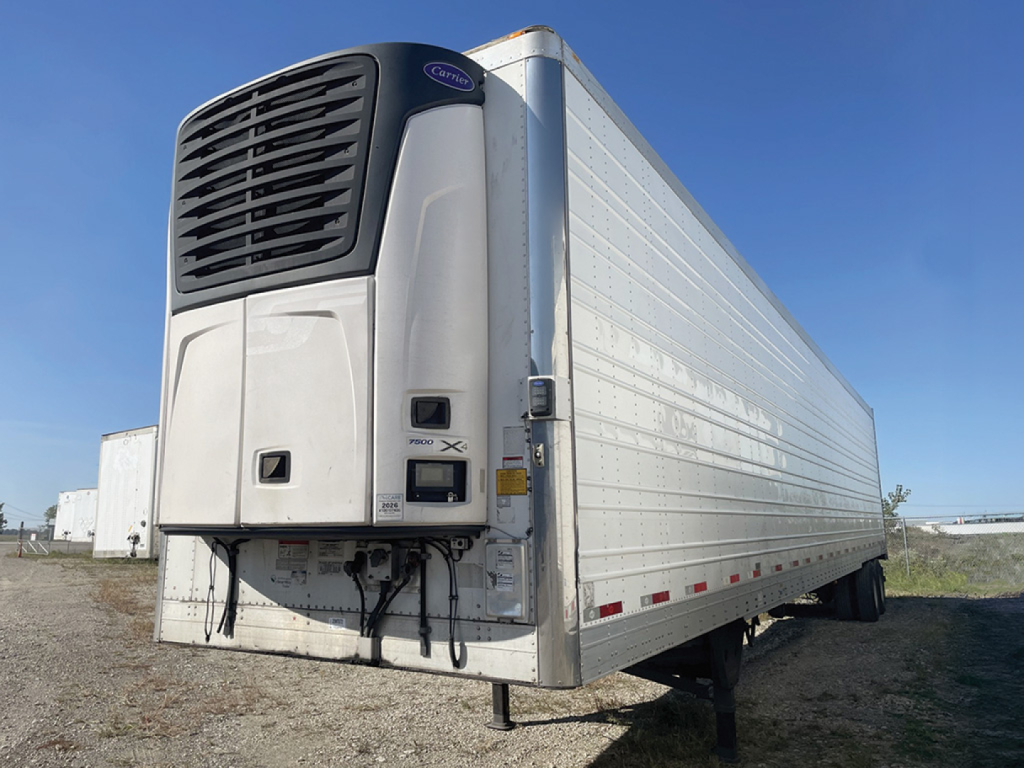
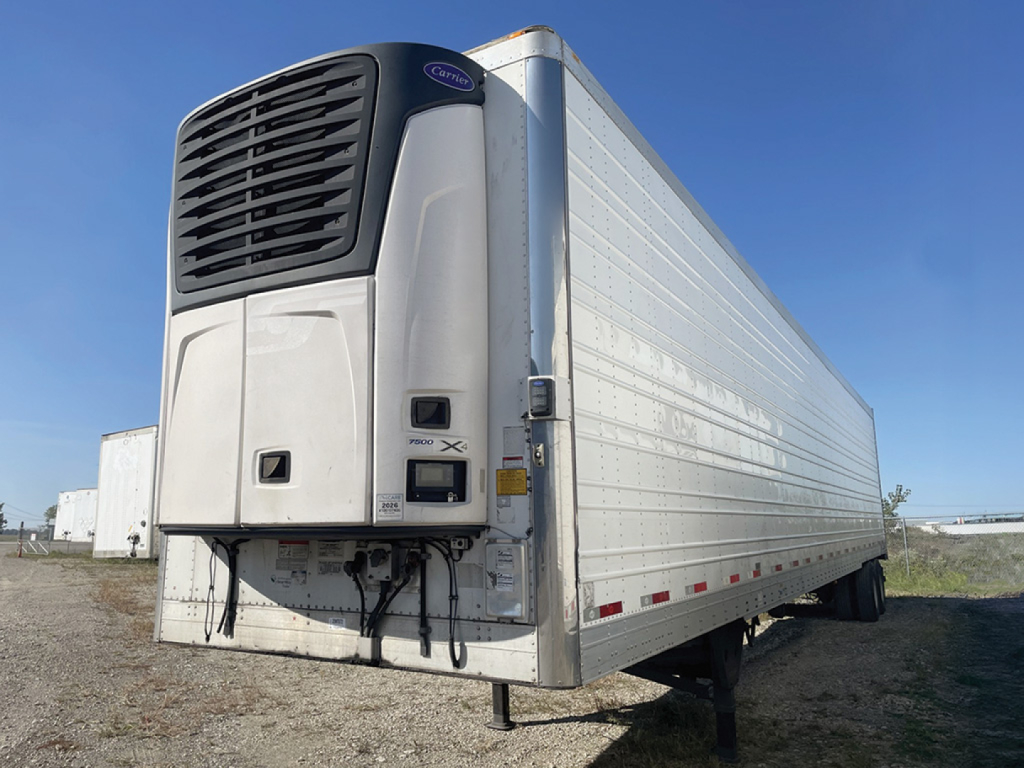
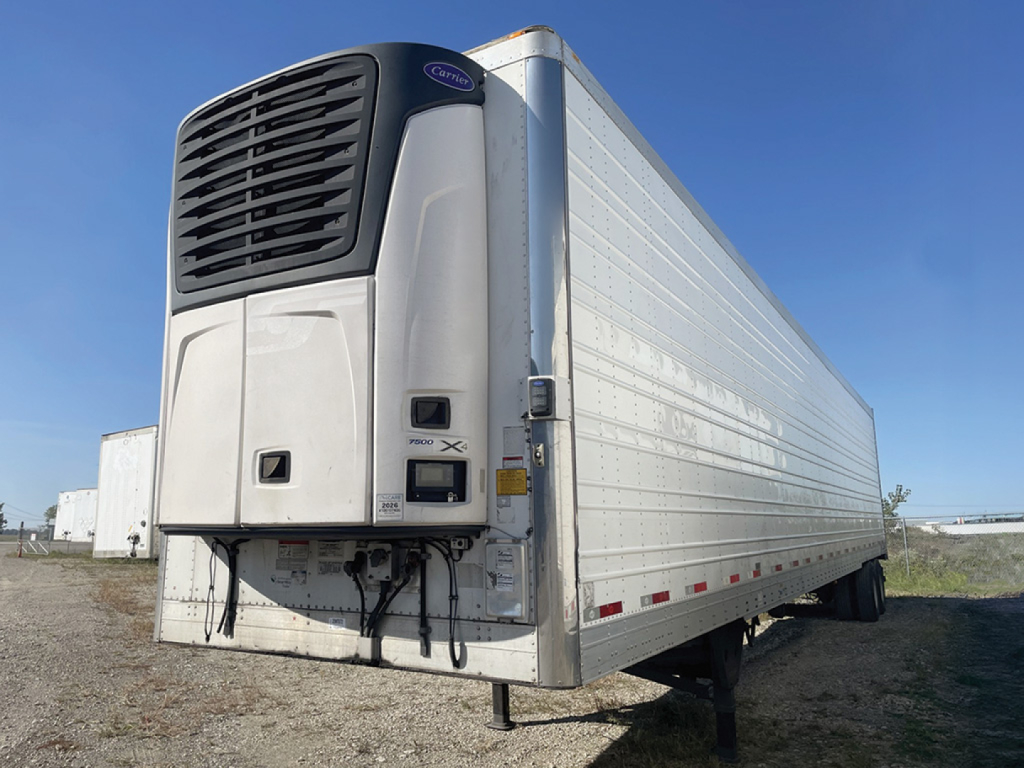
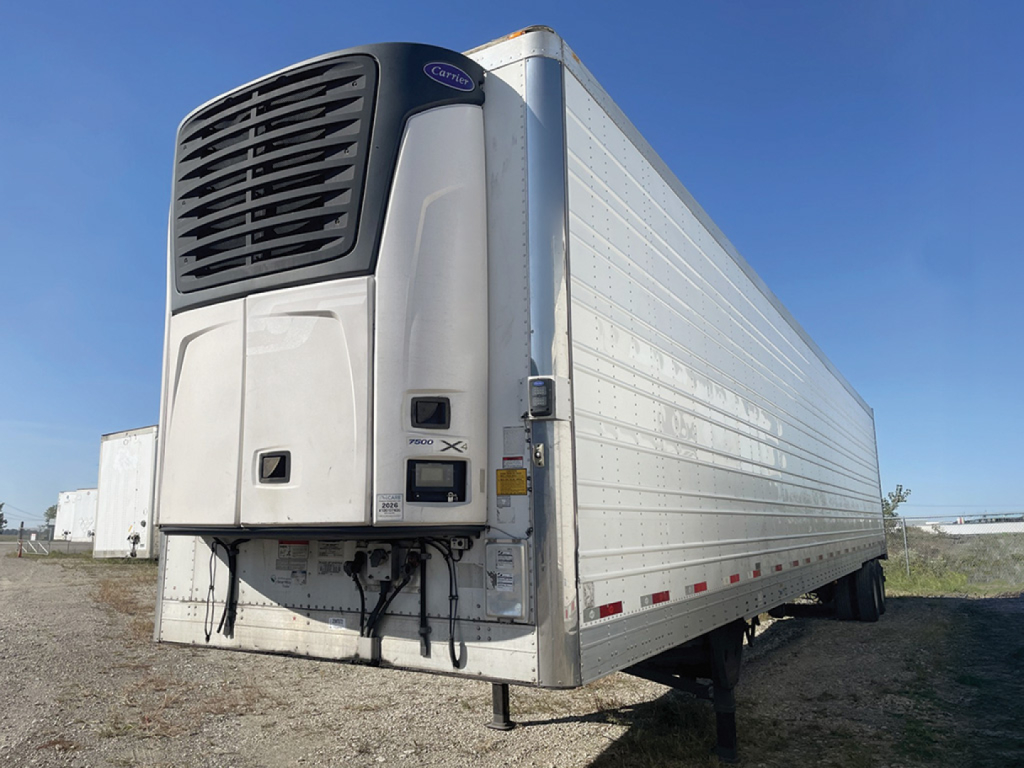
Selling a 2020 trailer? List your 2020 trailer for sale and reach thousands of commercial buyers.
2020 Trailers in Georgia
Dry van trailers are one of the most common 2020 trailer types a buyer will see, including aluminum vans and composite plate vans such as DuraPlate-style bodies. Aluminum vans can offer weight savings that help maximize payload, while plate trailers are often chosen for durability and resistance to sidewall damage in tougher freight cycles. Common features in this year range include wood floors, scuff liners or scuff plates, threshold plates, logistics posts or E-track, front and rear vents, and either swing doors or roll-up doors. A buyer moving palletized retail, packaged goods, paper products, or mixed LTL freight should compare interior lining, floor condition, and cargo control setup carefully, especially if forklifts are in and out of the trailer all day.
Running gear matters as much as the box. Many 2020 trailers are spec'd with air ride suspension, sliding tandems, 22.5 low-profile tires, and disc or steel wheels. Air ride is generally preferred for higher-value or damage-sensitive freight, while sliding tandems help with bridge law compliance, dock positioning, and load distribution. Tire inflation systems, aerodynamic side skirts, galvanized rear frames, and corrosion-resistant door hardware are all worth noting because they can reduce operating cost and improve uptime. In Georgia service, where trailers may see a mix of humid conditions, heavy interstate miles, and distribution-center turns, rear frame condition, roof integrity, and door seal performance deserve a close inspection.
For buyers comparing 2020 trailers, the smart approach is to match the trailer spec to the freight and route profile instead of shopping by year alone. Verify inside height if cube matters, confirm the floor rating and condition if dense freight is common, and check tandem travel, suspension wear, brake condition, and kingpin area for signs of hard use. A 2020 trailer can fit private fleet, for-hire, warehouse shuttle, or regional distribution work very well if the configuration matches the application. The best units in this class are the ones with straightforward freight specs, clean structural condition, and features that support fast loading, legal scaling, and low downtime.
Frequently Asked Questions about 2020 Trailers in Georgia
What should I look for first when buying a 2020 trailer?
Start with the structural and operational basics before comparing cosmetic condition. Check the trailer type, body construction, length, width, inside height, suspension, tandem slider operation, brake condition, tire condition, and door function. On enclosed freight trailers, inspect the roof, sidewalls, floor, rear frame, threshold, and kingpin area closely. A 2020 model can still have a lot of service life left, but trailer value depends more on maintenance history, freight use, and structural condition than model year alone.
Are 2020 dry van trailers still a good fit for regional and over-the-road freight?
Yes. A 2020 dry van is still a practical choice for general freight, retail freight, warehouse transfers, and many dedicated lanes. Most late-model vans have modern specs such as air ride suspension, sliding tandems, cargo control options, and aerodynamic equipment. For many fleets, a 2020 trailer hits a useful middle ground between acquisition cost and remaining service life, especially if the trailer has been maintained properly and has a clean floor, solid rear frame, and good door seals.
What is the difference between an aluminum van and a plate van trailer?
An aluminum van is often selected for lighter tare weight, which can help maximize payload on weight-sensitive freight. A plate van, including composite panel designs such as DuraPlate-style trailers, is usually favored for sidewall durability and resistance to day-to-day impact damage. The right choice depends on what the trailer hauls, how often it is loaded by forklift, and whether payload or body toughness is the bigger priority in the operation.
Why do sliding tandems matter on a 2020 trailer?
Sliding tandems are important because they give the operator flexibility in axle weight distribution, bridge law compliance, and dock approach. They also help balance the load for different commodities and loading patterns. On a used trailer, the tandem slider should be inspected for rail wear, locking pin function, corrosion, and signs of abuse. A trailer with a well-maintained slider is easier to use across multiple lanes and customer locations.
Which trailer features help lower operating costs on a 2020 model?
Features that can reduce operating cost include air ride suspension for cargo protection, tire inflation systems for better tire life, side skirts for improved fuel economy, corrosion-resistant rear components, and durable flooring and scuff protection that hold up under repeated forklift use. Disc wheels, quality door hardware, and a sound roof and seal package also support uptime. On a 2020 trailer, these details can make a meaningful difference in maintenance expense and daily productivity.