
2019 Trailers For Sale in Kansas
Have 2019 trailer to sell? List it here to reach thousands of buyers.
2019 Trailers in Kansas
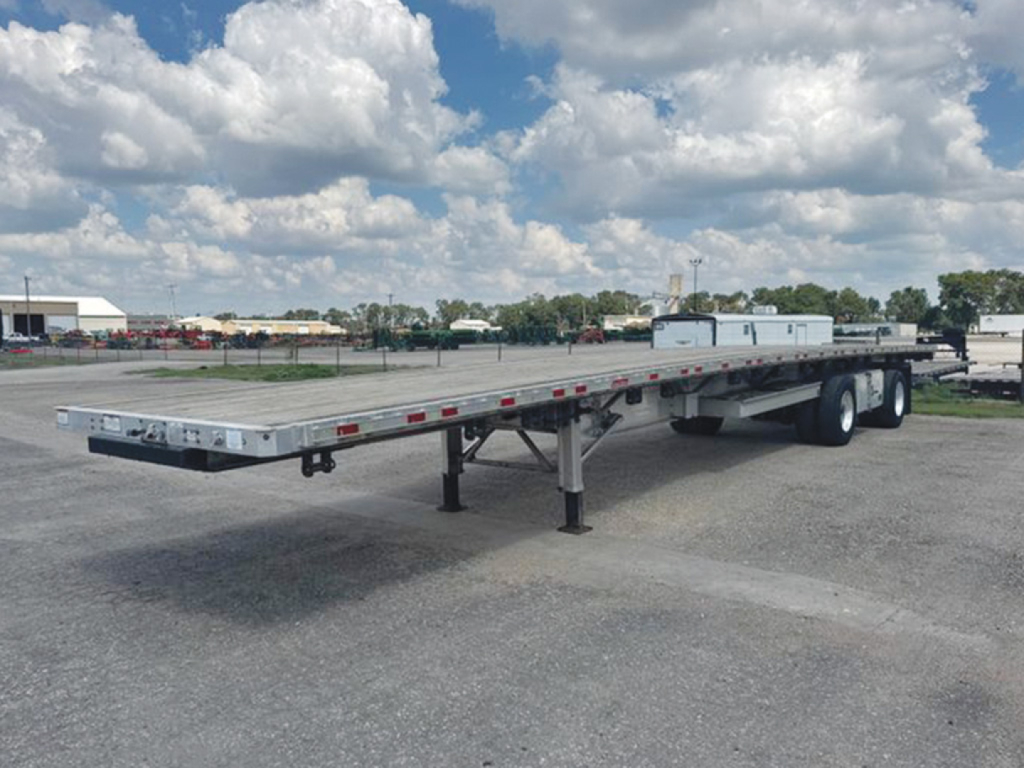
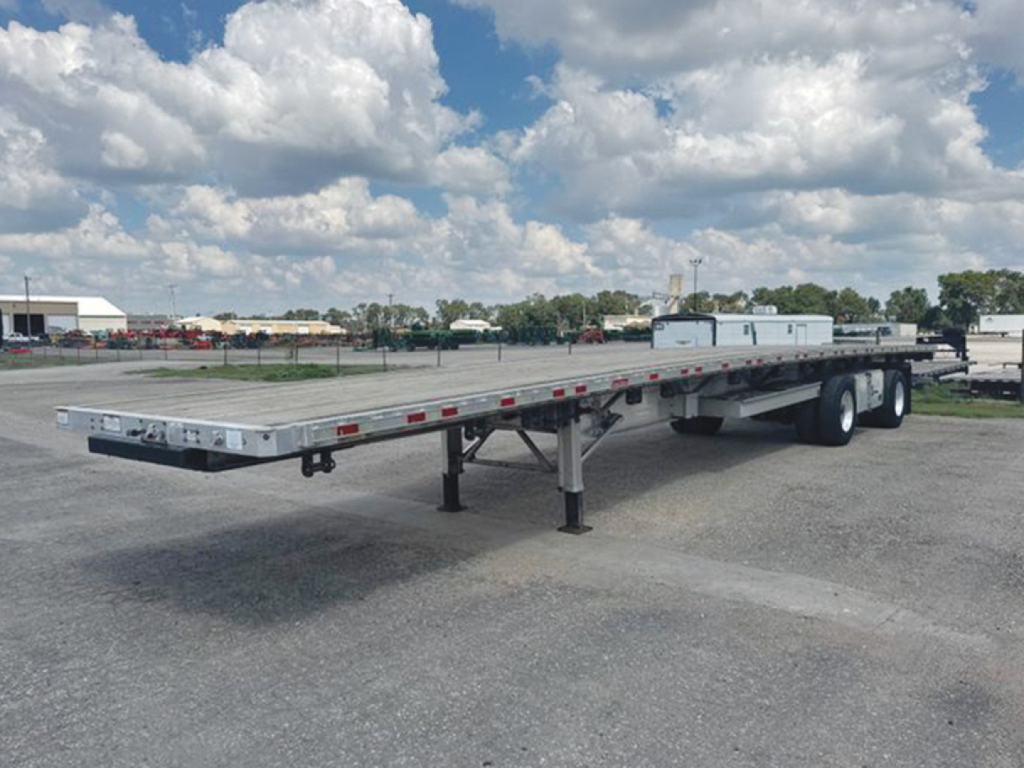
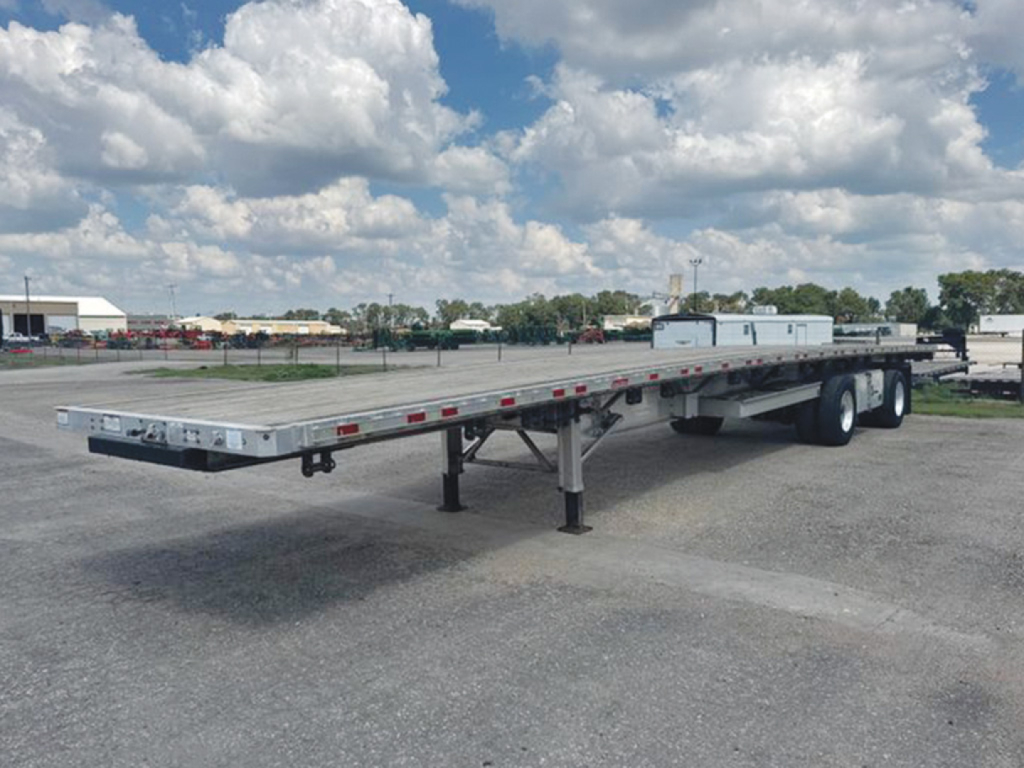
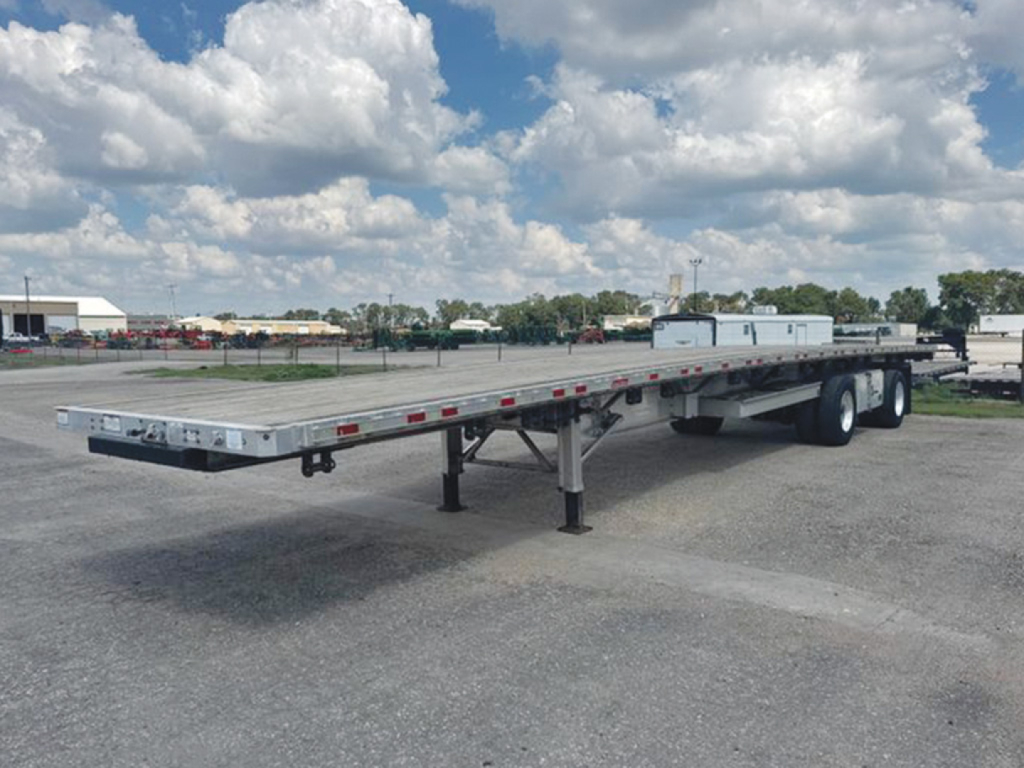
Trailer type should drive the buying decision first. A 2019 dry van trailer is typically set up for general freight with swing doors or roll doors, wood or composite flooring, scuff plates, logistics posts, and tandem or spread axle configurations depending on application. A 2019 dump trailer is a different buying process entirely, with tub material, frame design, suspension type, gate style, hoist geometry, and liner condition all affecting service life and payload performance. Flatbed and curtainside buyers should focus on deck material, winch track layout, coil package specs, bulkhead construction, and how the axle spread fits bridge law and route needs. In Kansas, buyers often need equipment that can transition between local agricultural work, oilfield support, and longer Midwestern freight lanes, so versatility has real value.
Specs worth checking on any 2019 trailer include overall length, width, rear opening, interior height on vans, axle rating, brake type, wheel-end condition, tire size, and suspension setup. On dry vans, look for signs of forklift damage, floor wear, roof repairs, door frame stress, and corrosion around crossmembers and rear sills. On dump trailers, inspect the tub for cracks, patches, bowed sidewalls, and excessive wear at the tailgate and hinge points. On flatbeds and curtainsides, pay attention to floor integrity, side curtain condition, rub rail and stake pocket damage, and any frame issues near concentrated load areas. Buyers comparing aluminum versus steel construction should balance tare weight against repair cost, corrosion resistance, and expected commodity mix.
Kansas buyers also need to think about operating environment and compliance. Regional highway use, farm-to-elevator traffic, and occasional off-road loading all place different demands on suspension, tire choice, and trailer structure. A 2019 trailer with the right kingpin setting, axle spacing, and suspension can be easier to match to state bridge requirements and existing tractor wheelbase. The best choice is usually the trailer that fits the freight first, then matches maintenance capacity, route profile, and loading method. A well-spec'd 2019 trailer still has a lot of useful service life left when the structure is sound and the running gear has been properly maintained.
Frequently Asked Questions about 2019 Trailers in Kansas
What should I inspect first on a 2019 used trailer?
Start with the frame, suspension, brakes, tires, and floor because those items drive both safety and repair cost. On a van trailer, check floor wear, rear frame damage, roof leaks, and door operation. On a dump trailer, inspect the tub, gate hardware, hoist mounts, and hinge areas for cracking or distortion. On flatbed and curtainside units, focus on deck condition, winch track integrity, curtain wear, and rub rail damage. A 2019 trailer can still be a very solid buy if the structure and running gear have been maintained correctly.
Is a 2019 trailer old enough to be a value buy but new enough for modern specs?
Yes. For many buyers, 2019 sits in a practical middle ground. It is typically old enough to offer lower acquisition cost than newer late-model equipment, but new enough that many trailers still have current features such as air ride, tire inflation systems, logistics posts, disc or drum brake options, and updated lighting and aerodynamic components. The real value depends on prior use, maintenance records, and whether the original spec matches the intended application.
What trailer types are common in the 2019 market in Kansas?
Kansas buyers commonly shop 2019 dry vans, dump trailers, flatbeds, and curtainsides. Dry vans support general freight and warehouse freight. Dump trailers are common for aggregate, demolition, grain, and other bulk material work. Flatbeds and curtainsides are often used for machinery, building materials, steel, and freight that needs side loading. The right category depends on cargo type, loading method, and how much off-road or seasonal work the trailer will see.
How important are suspension and axle setup on a 2019 trailer?
Suspension and axle configuration are critical because they affect ride quality, cargo protection, bridge compliance, tire wear, and maneuverability. Air ride is common on van, flatbed, and curtainside applications where freight protection matters. Spring ride can still make sense in harsher service or certain dump applications. Sliding tandems offer flexibility for weight distribution and dock positioning, while spread axles can improve load distribution but may limit tight-turn maneuverability. Matching the axle layout to the route and freight is just as important as matching the trailer body style.
Are aluminum 2019 trailers better than steel trailers?
Neither is automatically better. Aluminum trailers generally offer lower tare weight and better corrosion resistance, which can help maximize payload and reduce long-term rust issues. Steel trailers can be more economical to buy and may be preferred in heavy-duty or abuse-prone applications depending on the design. The better choice comes down to commodity type, loading conditions, repair environment, and how much payload sensitivity matters in the operation.