
2018 Trailers For Sale in North Carolina
Browse 2018 trailers for sale in North Carolina, including dry vans, reefers, and more with specs that matter for regional and long-haul work.

Selling a 2018 trailer? List your 2018 trailer for sale and reach thousands of commercial buyers.
2018 Trailers in North Carolina
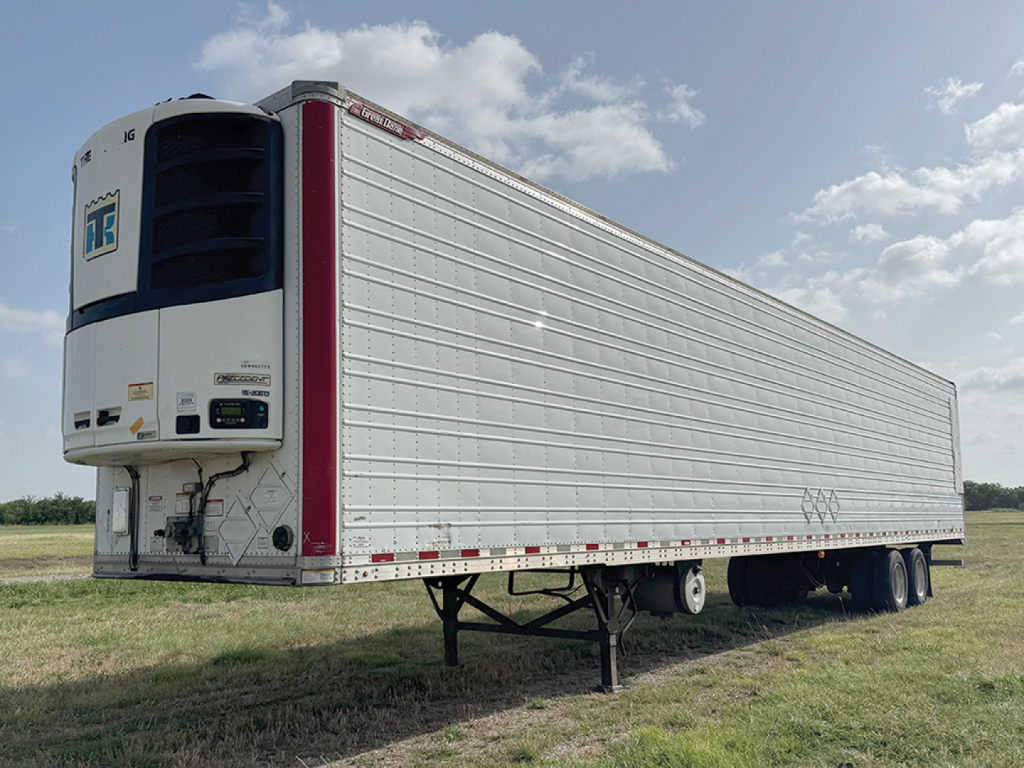
Dry vans from this year commonly feature composite or aluminum sidewalls, wood floors, scuff liners, threshold plates, translucent roofs, and either swing or roll-up doors. Reefer trailers from 2018 often add aluminum duct floors, stainless steel front and rear components, insulated bodies, and refrigeration units from Thermo King or Carrier. If you are looking at a refrigerated trailer, pay close attention to reefer engine hours, unit service records, evaporator condition, door seals, and floor wear from concentrated pallet traffic. On van trailers, inspect the roof, rear frame, crossmembers, slider rails, and floor fastener condition, especially if the trailer spent time in high-cycle distribution work.
Spec decisions should match the freight. A 2018 van trailer used in general freight, retail, or warehouse distribution may benefit from logistics posts, E-track, plywood lining, and a clean interior with minimal forklift damage. A 2018 reefer for produce, protein, dairy, or frozen freight needs strong insulation integrity, a straight floor, and a refrigeration unit sized for the lanes it will run. North Carolina buyers often need equipment that can handle a mix of port, regional, and over-the-road service, so tandem position flexibility, tire inflation systems, side skirts, and disc wheels may all matter depending on operating cost targets and bridge-law requirements.
When comparing 2018 trailers for sale, look beyond exterior appearance and confirm the structural and operating details that affect uptime. Check VIN plates, trailer weight, inside height, door opening dimensions, suspension type, brake configuration, and any telematics or logistics equipment already installed. A well-kept 2018 trailer can still fit demanding fleet service if the body is straight, the running gear is sound, and the spec matches the freight. Buyers who focus on floor condition, rear impact area, tandem slide operation, and maintenance records usually make a better purchase than buyers who shop by price alone.
Frequently Asked Questions about 2018 Trailers in North Carolina
What types of 2018 trailers are most common in North Carolina?
The most common 2018 trailers in North Carolina are usually 53-foot dry van trailers and refrigerated trailers, since both are heavily used in regional distribution, grocery, manufacturing, and port-related freight. Flatbeds, drop decks, and specialty trailers also appear on the market, but van and reefer configurations tend to dominate because they match the freight volumes moving through the state’s major highway corridors and distribution hubs.
What should I inspect first on a used 2018 reefer trailer?
Start with the refrigeration unit hours, service records, fuel system condition, and evidence of consistent preventive maintenance. Then inspect the insulated body, door seals, floor channels or duct floor, front wall, rear frame, and interior lining for impact damage or air leaks. A reefer trailer can look clean outside and still have expensive issues tied to insulation loss, poor temperature hold, or deferred unit maintenance.
Is a 2018 trailer still a good choice for fleet or owner-operator use?
Yes, a 2018 trailer can still be a strong value if the structure, running gear, and major components have been maintained properly. Many trailers from this year have modern fleet-friendly specs such as sliding tandems, air ride suspension, disc wheels, aerodynamic options, and logistics-ready interiors. The deciding factor is usually condition and application history, not simply age.
What specs matter most when comparing 2018 dry van trailers?
The most important specs are length, inside height, floor type and condition, door style, suspension, tandem slide setup, and interior cargo control equipment such as E-track or logistics posts. Buyers should also check roof condition, sidewall repairs, crossmember integrity, brake and tire condition, and the rear frame area where dock and forklift damage often shows up first. These details affect payload handling, loading efficiency, and long-term maintenance costs.
Why does prior application matter on a 2018 trailer?
Prior application tells you how the trailer was likely stressed in service. A trailer used in high-turn retail or warehouse distribution may show more forklift wear, dock impact damage, and floor fatigue than a trailer used in lighter over-the-road service. A reefer used in produce or frozen freight may have very different interior wear patterns and reefer hours than one used on shorter regional lanes. Understanding prior use helps you judge remaining service life more accurately.