
2018 Trailers For Sale in New York
Browse 2018 trailers for sale in New York, including dry vans and other commercial trailer types with specs, configurations, and hauling features.
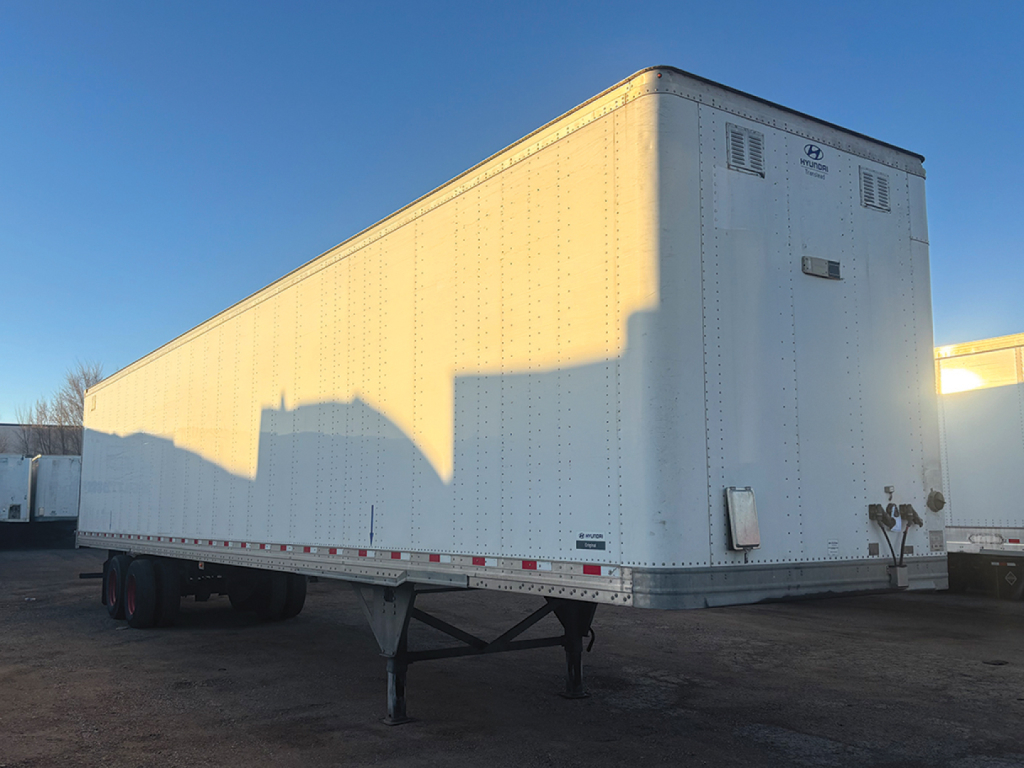

Looking for the easiest place to sell your 2018 trailer? List it here to reach thousands of buyers.
2018 Trailers in New York
The right 2018 trailer depends on the freight more than the badge on the nose. Dry van trailers remain a common choice for general freight, retail loads, palletized goods, and route work, with typical specs like 53-foot length, 102-inch width, tandem axles, wood floors, and swing or roll-up rear doors. Other 2018 trailer categories may include refrigerated trailers, flatbeds, drop decks, chassis, dump trailers, and equipment trailers, each with a different maintenance profile and payload tradeoff. Buyers should match axle configuration, suspension type, GVWR, floor construction, roof material, and rear door style to the lanes they actually run.
For a 2018 trailer, condition matters more than age alone. Check crossmembers, kingpin area, landing gear mounts, roof bows, rear frame, and door surround for repairs or fatigue. On vans and reefers, inspect the floor for forklift damage and moisture issues. On flatbeds and drops, pay attention to deck condition, concentrated load ratings, winch track, and rub rail integrity. In New York operations, bridge laws, trailer height, and maneuverability around urban docks can matter just as much as cubic capacity. Sliding tandems, 22.5 low-pro tires versus standard rubber, and overall trailer tare weight can all affect how usable the trailer is on your routes.
A well-chosen 2018 trailer can fit private fleet work, regional delivery, dedicated contract freight, or over-the-road service. Look for a trailer with a documented maintenance history, recent brake and tire work, and a spec that matches your tractor and freight profile. Buyers comparing multiple 2018 trailers should focus on structural condition, legal payload, dock compatibility, and repair exposure before cosmetic appearance. That approach usually tells you more about long-term value than model year alone.
Frequently Asked Questions about 2018 Trailers in New York
What should I check first on a 2018 trailer in New York?
Start with the structural and underbody areas that take the most abuse in Northeast service. Inspect the frame, crossmembers, kingpin plate, suspension mounts, brake components, wiring, and landing gear for corrosion, cracking, or poor repairs. Road salt exposure can age a trailer faster than the model year suggests, so a clean 2018 trailer with solid maintenance records is usually a better buy than a newer unit with heavy rust or deferred service.
Is a 2018 trailer old enough to have major maintenance coming due?
Yes. By this age, many trailers are at the point where brakes, bushings, air system parts, tires, floors, door hardware, and suspension components may have already been replaced or may need attention soon. That is not necessarily a negative if the trailer has been maintained correctly. A buyer should look for evidence of recent service and estimate near-term repair costs, because total cost of ownership matters more than purchase price alone.
What trailer specs matter most when comparing 2018 trailers?
The most important specs are the ones that affect legal payload, freight fit, and route compatibility. Focus on trailer length, width, height, GVWR, empty weight, axle setup, suspension type, tire size, floor construction, and rear door style. For dry van and reefer applications, inside dimensions, logistics posts, scuff liners, and liftgate capacity can also make a major difference in day-to-day use.
Are 2018 dry van trailers a good choice for regional and dock work?
They can be, especially if the trailer has the right rear door configuration, sound floor structure, and a suspension setup suited to frequent loading cycles. Many buyers prefer sliding tandem dry vans for flexibility in bridge law compliance and weight distribution. For urban and regional service, buyers should also consider trailer height, overall tare weight, and how easily the unit backs into tight docks common in older New York industrial areas.
How do I know if a 2018 trailer is spec'd correctly for my operation?
Match the trailer to your actual freight, lanes, and loading environment. A general freight operation may prioritize a standard 53-foot dry van with a durable wood floor and sliding tandems, while a route delivery operation may need a roll-up door and liftgate. Flatbed and equipment-hauling operations may prioritize deck strength, tie-down options, and axle placement. The best spec is the one that reduces handling issues, keeps payload legal, and limits unnecessary maintenance for the work you do every week.