
2017 Trailers For Sale in Nebraska

Have 2017 trailer to sell? List it here to reach thousands of buyers.
2017 Trailers in Nebraska
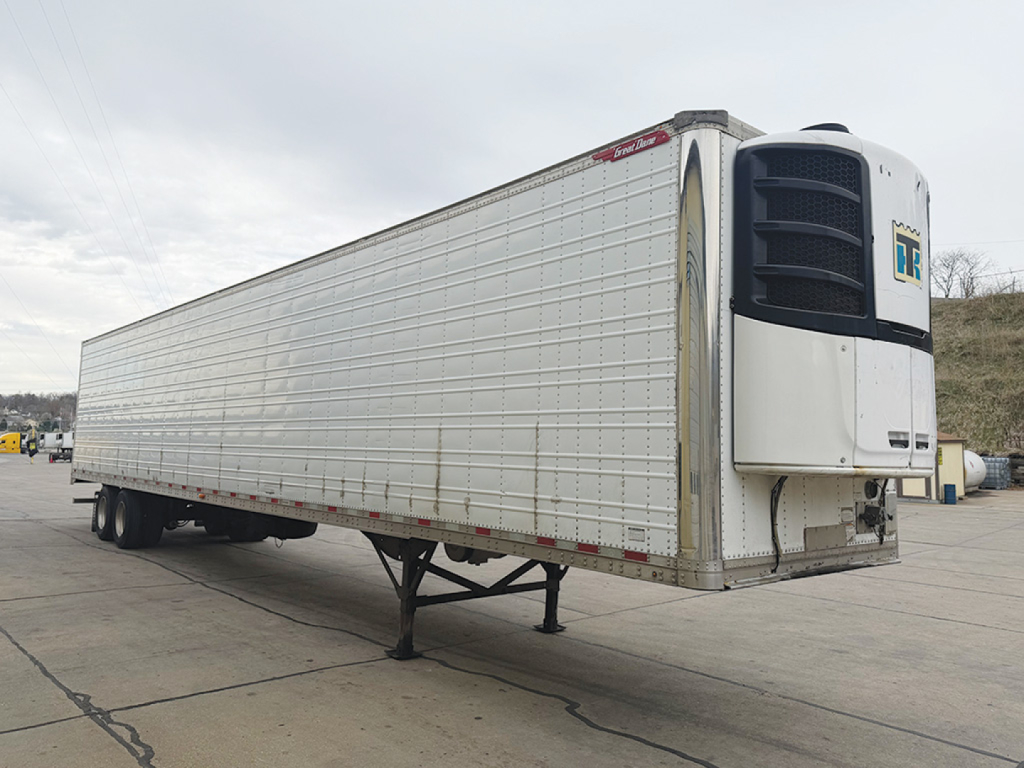
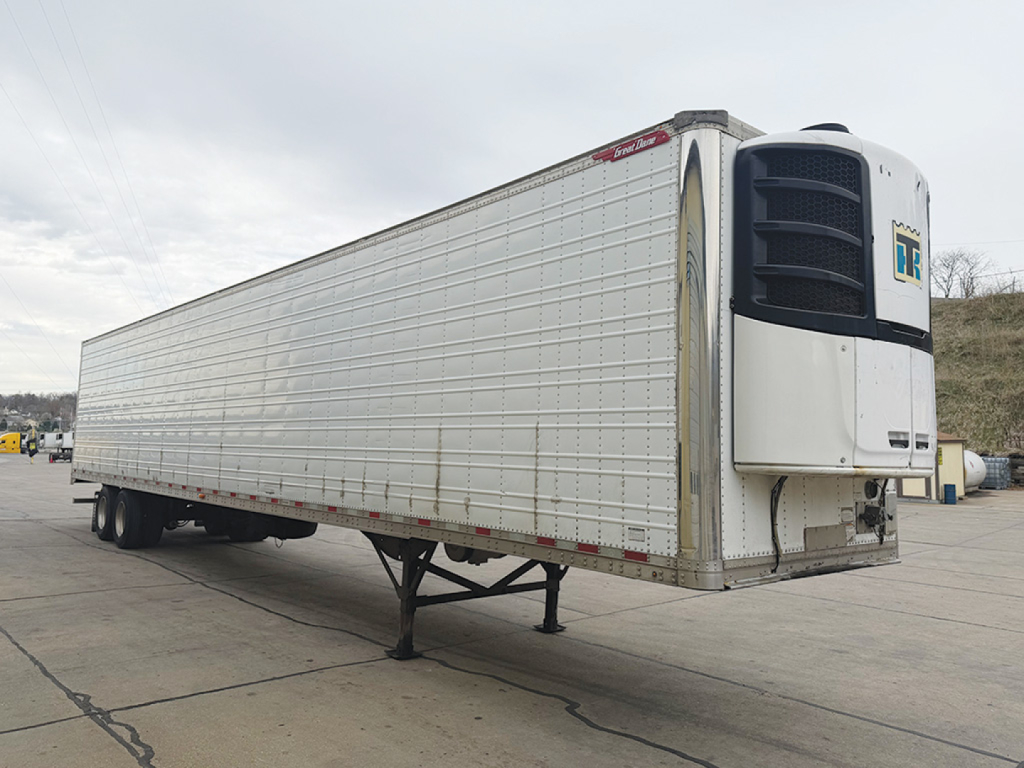
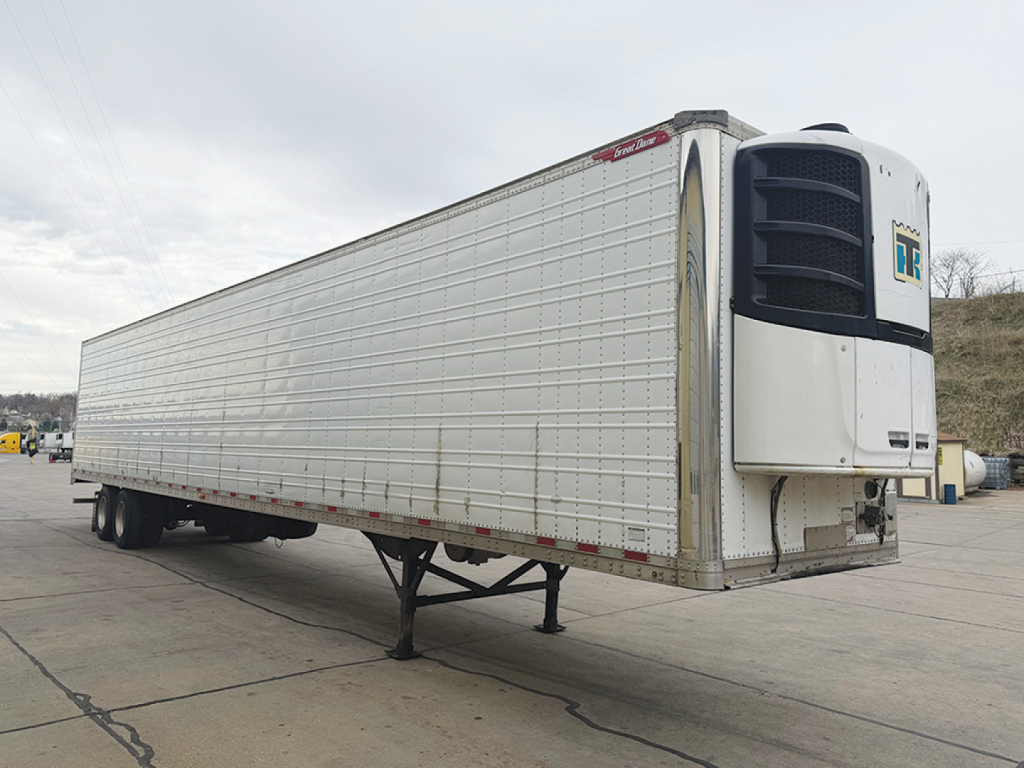
The right choice starts with trailer type and duty cycle. A 2017 dry van is typically a 53-foot, 102-inch-wide setup used for general freight, retail, and dock-to-dock lanes, with common features like plywood lining, scuff liners, wood floors, E-track, threshold plates, roll-up doors, and spring or air ride suspension. A 2017 reefer trailer adds another layer of evaluation because the box and the refrigeration unit both matter. Buyers usually compare unit hours, evaporator condition, floor type, chute configuration, rear door seal condition, and whether the trailer has stainless front and rear components, spread axle or tandem axle layout, and low-profile 22.5 tires. For agricultural freight in Nebraska, a 2017 hopper bottom trailer is often judged by cubic capacity, side height, gate design, tarp system, vibrator setup, suspension type, and wheel material.
Nebraska buyers also tend to focus on regional operating realities. Grain, feed, meat, refrigerated food, and long-haul van freight all place different demands on a trailer. Corrosion resistance matters on reefers and hoppers, so aluminum construction, stainless steel door frames, and well-kept subframes can carry real value. For van and reefer work, check inside height, floor wear, wall condition, and tandem slide function, especially if the trailer will run multiple states with varying bridge laws and dock setups. On hopper trailers, look closely at trap doors, roll tarp condition, ladder and catwalk integrity, and signs of hard use around suspension mounts and kingpin areas.
A good 2017 trailer should be evaluated as a total operating asset, not just a price point. Tire age, brake type, wheel-end condition, suspension bushings, floor life, roof integrity, door hardware, and maintenance history often matter more than cosmetics. Reefer buyers should pay close attention to reefer unit service records, fuel system condition, and insulation performance. Van buyers should verify wall repairs, crossmember condition, and floor rating for forklift traffic. Hopper buyers should inspect discharge components and look for cracks, patchwork, or evidence of commodity contamination. When the specs line up with the lane, commodity, and loading environment, a 2017 trailer can still deliver strong service life and dependable utilization.
Frequently Asked Questions about 2017 Trailers in Nebraska
What should I look for first when buying a 2017 used trailer?
Start with the trailer type, structural condition, and maintenance history. On any 2017 trailer, buyers should inspect the frame, crossmembers, kingpin area, suspension components, brakes, tires, roof, doors, and floor. The right trailer on paper can still become expensive if it has hidden floor damage, worn suspension parts, corrosion, or deferred brake work. Matching the trailer to the freight and loading environment is just as important as checking age and price.
Is a 2017 trailer still a good value for commercial use?
Yes, a 2017 trailer can still be a strong value if it has been maintained properly and the specs fit the job. Many 2017 models have features fleets actively want, such as air ride, sliding tandems, tire inflation systems, lightweight aluminum construction, and disc brakes. Buyers often choose this age range because it can lower capital cost while still providing modern dimensions, common replacement parts, and broad compatibility with current freight requirements.
What is most important on a 2017 reefer trailer?
The most important items are the condition of the refrigeration unit and the integrity of the trailer body. Buyers should review unit hours, service records, fuel system condition, floor wear, insulation performance, chute setup, evaporator condition, and door seal quality. Stainless steel front and rear components, duct floors, and sound structural condition can also make a difference in long-term durability and temperature control performance.
What features matter most on a 2017 dry van trailer?
Dry van buyers usually focus on inside height, floor condition, wall lining, door style, suspension, and tandem configuration. A solid wood floor, intact scuff liners, clean threshold plate area, and properly working roll-up or swing doors all affect daily usability. E-track or logistics posts may be important for mixed freight. Buyers should also inspect for patched sidewalls, roof leaks, and crossmember damage caused by repeated forklift loading.
What should Nebraska buyers check on a 2017 hopper bottom trailer?
Nebraska buyers often use hopper bottoms in grain and ag service, so gate operation, tarp condition, vibrators, suspension, ladder and catwalk condition, and signs of cracking around mounts are critical. Aluminum hoppers should also be checked for repairs, corrosion at stress points, and wear around discharge areas. Capacity, side height, and door style should match the commodities being hauled and the unloading setup used by the operation.