
2017 Reefer Trailers For Sale in Nebraska

Have 2017 reefer trailer to sell? List it here to reach thousands of buyers.
2017 Reefer Trailers in Nebraska
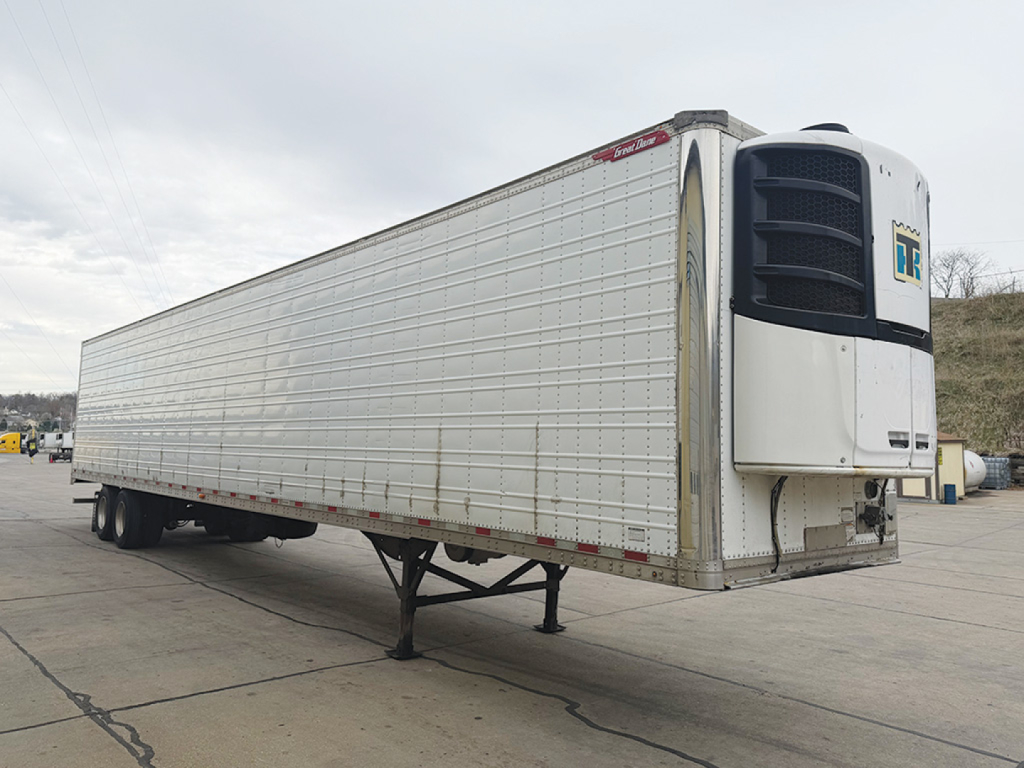
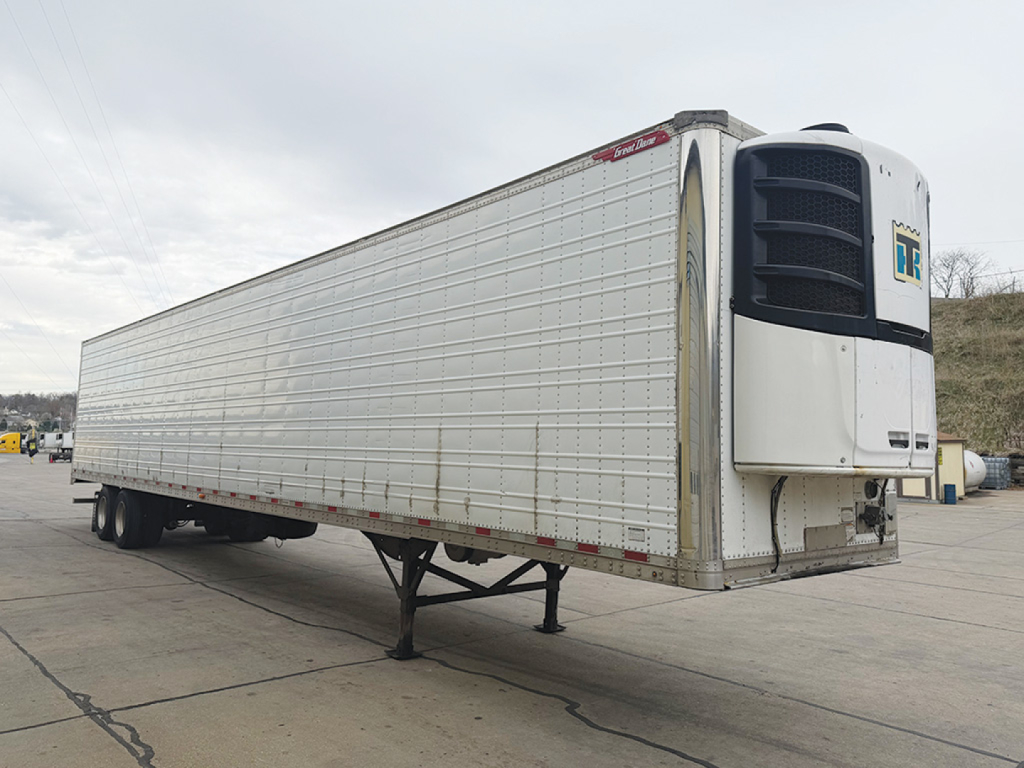
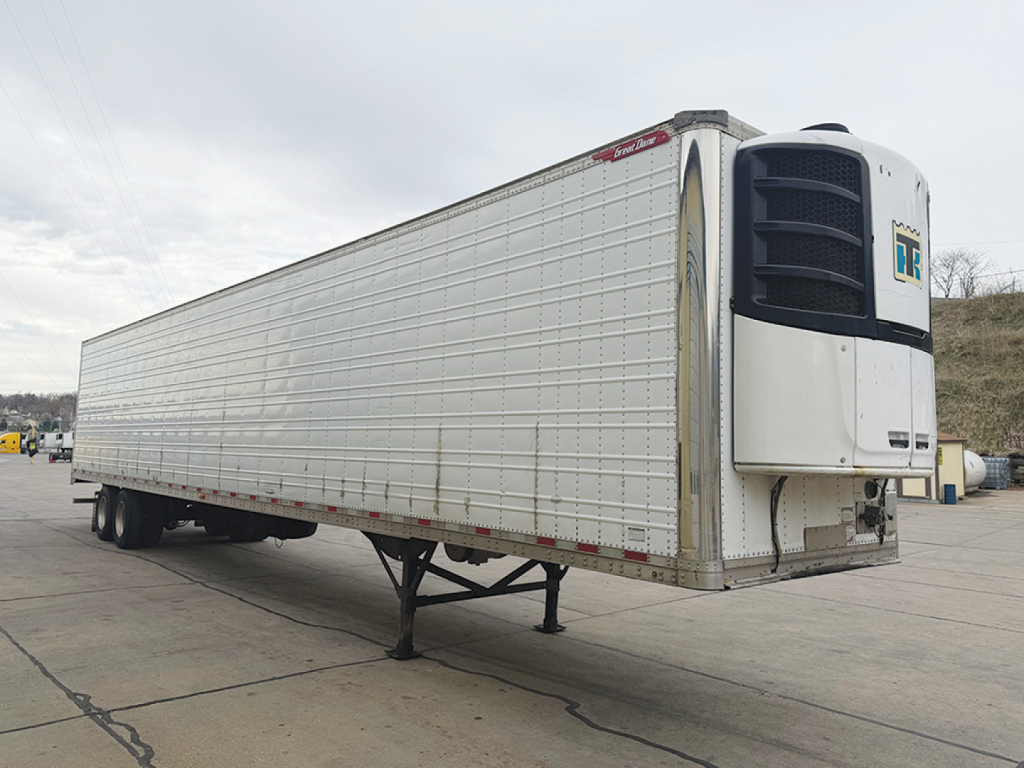
The reefer unit matters as much as the trailer body. On 2017 models, buyers will often compare Carrier and Thermo King systems by hours, maintenance history, fuel use, pull-down performance, and parts support in their operating area. A clean download history, documented PM intervals, and evidence of recent unit service can be more important than brand preference alone. For food-grade work, inspect the interior closely for floor wear, wall damage, patch repairs, door seal condition, and any signs of moisture intrusion. Reefer performance depends on the complete package, including insulation integrity, return air flow, door closure, and how well the floor channels move air under the load.
Trailer spec choices should match the freight profile. Air ride is usually preferred for delicate or higher-value temperature-sensitive cargo, while a duct floor and chute setup help maintain more consistent box temperature on longer runs. Sliding tandems remain important for bridge law compliance and dock positioning. Tire inflation systems, side skirts, and low-profile 22.5 tires can improve operating efficiency, but the buyer should still check brake type, wheel condition, suspension wear points, and kingpin area integrity. Stainless rear frames and door hardware typically hold up better in frequent washout and high-moisture service, which is relevant for Nebraska operators dealing with seasonal road treatment and wide temperature swings.
A 2017 reefer trailer can still be a strong revenue asset if the box is straight, the floor is solid, and the refrigeration unit has a documented service life left in it. Look at reefer hours alongside trailer age, because usage patterns vary widely. A trailer that spent its life on steady highway lanes may present differently than one used in dense multi-stop distribution. Buyers should also confirm inside height, door opening dimensions, fuel tank condition, evaporator setup, and compliance items required by their shippers. For fleets and owner-operators alike, the best 2017 refrigerated trailer is the one with a sound insulated body, a dependable unit, and specs that fit the lane before the first load is booked.
Frequently Asked Questions about 2017 Reefer Trailers in Nebraska
What should I check first on a 2017 reefer trailer?
Start with the refrigeration unit hours, maintenance records, and the condition of the insulated box. A 2017 reefer trailer can still be a good buy, but deferred reefer service, damaged interior lining, poor door seals, or floor channel wear can quickly turn into expensive downtime. Check for clean pull-down, stable temperature control, proper airflow through the duct floor and chute, and signs of previous structural or moisture damage.
Are most 2017 reefer trailers 53 feet long?
Yes. The most common specification in this age group is a 53-foot refrigerated trailer that is 102 inches wide and about 13 feet 6 inches tall. Many also have sliding tandems, swing rear doors, and inside heights around 102 inches, although exact dimensions can vary by manufacturer and body design. Buyers should verify inside cube and door opening dimensions if pallet count or stack height is critical.
Which is more important on a used reefer, the trailer body or the reefer unit?
Both matter, but the body condition often gets overlooked. A strong reefer unit cannot compensate for damaged insulation, poor door seals, restricted floor channels, or interior wall issues that affect airflow and temperature retention. At the same time, a solid trailer body still needs a reefer unit with acceptable hours, current service, and dependable parts support. The best used reefer trailer has both a healthy unit and a sound insulated structure.
Is air ride better than spring suspension on a reefer trailer?
Air ride is generally preferred for refrigerated freight because it provides a smoother ride for sensitive cargo and can help reduce shock on higher-value food products. Spring suspension may still be found on some trailers and can work well in certain operations, but many fleets favor air ride for ride quality, resale appeal, and broad shipper acceptance. The right choice depends on cargo type, lane conditions, and maintenance priorities.
What reefer trailer features help on Nebraska routes?
For Nebraska operation, useful features include stainless rear hardware for washout durability, tire inflation systems for long highway miles, sliding tandems for bridge compliance, and aerodynamic options like side skirts for fuel savings. A well-maintained reefer unit with strong dealer support is also important because regional and over-the-road refrigerated freight often runs through wide seasonal temperature changes. Buyers should prioritize structural condition and service history over cosmetic appearance.