
2017 Trailers For Sale in Illinois
Browse 2017 used trailers for sale in Illinois, including dry vans, reefers, and other commercial trailer types with buyer-focused specs.
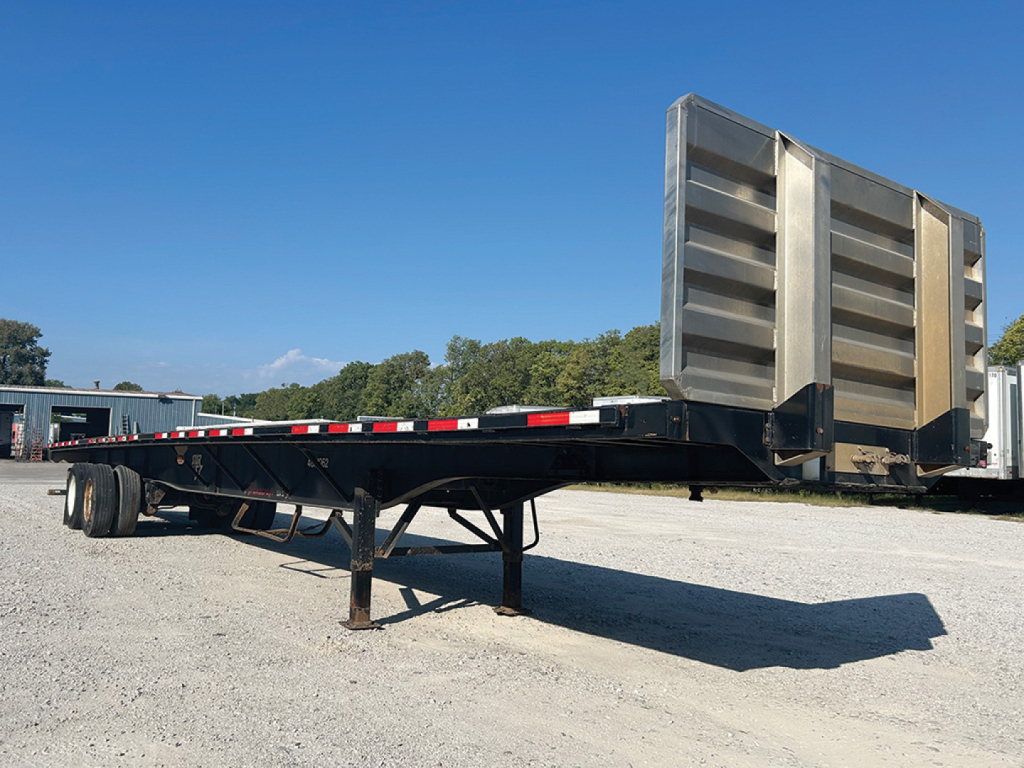

Looking for the easiest place to sell your 2017 trailer? List it here to reach thousands of buyers.
2017 Trailers in Illinois
For dry van trailers, common features on 2017 units include aluminum construction, plywood lining, scuff liners or scuff plate protection, wood floors, E-track, roll-up doors, and front or rear vents. Those details matter because they directly affect cargo flexibility and operating cost. A van with solid interior lining, a clean floor, and straight crossmembers will usually hold up better in multi-stop freight, palletized general freight, and dedicated contract work. Sliding tandems are especially important in Illinois because bridge laws, dock approaches, and urban delivery routes can make axle adjustment a daily requirement.
If the 2017 trailer is a reefer, the refrigeration unit becomes the first checkpoint. Buyers should evaluate engine hours, unit run history, maintenance records, duct floor condition, door seal integrity, and signs of prior moisture intrusion. Features like side skirts, tire inflation systems, stainless rear frames, swing doors, and insulated bulkhead or cold chute components can add value depending on the lane. In Midwest service, corrosion around the rear frame, suspension, and wiring connections deserves a careful inspection, especially on trailers that have seen winter road salt.
The best 2017 trailers are the ones that match the freight and the route. A dry van buyer should verify floor rating, roof condition, door opening dimensions, and tandem slide operation. A reefer buyer should add insulation condition, fuel tank integrity, and refrigeration performance under load. In either case, check VIN history, kingpin and apron wear, landing gear condition, brake life, and any evidence of trailer tracking issues. A 2017 model year trailer still fits many regional and over-the-road applications well if the structure is sound and the spec supports the work.
Frequently Asked Questions about 2017 Trailers in Illinois
What should I inspect first on a 2017 used trailer?
Start with the frame, suspension, brakes, tires, floor, roof, and rear structure. On any 2017 trailer, structural condition matters more than age alone. Check for crossmember damage, corrosion, uneven tire wear, tandem slide problems, landing gear issues, and signs of impact at the nose, rear frame, or doors. If it is a van, inspect the floor and lining. If it is a reefer, add a full review of the refrigeration unit, insulation, and door seals.
Are 2017 dry van trailers still a good choice for general freight?
Yes, many 2017 dry van trailers remain well suited for palletized freight, retail freight, and drop-and-hook work. This model year commonly includes features buyers still want today, such as 53-foot length, 102-inch width, air ride suspension, sliding tandems, E-track, and roll-up doors. The real question is how the trailer was used and maintained. A clean, straight dry van with a solid floor and good running gear can still be productive for years.
What matters most when buying a 2017 reefer trailer?
The refrigeration unit condition is the key factor, followed closely by trailer body integrity. Review engine hours, service records, unit performance, fuel system condition, floor wear, insulation quality, and door seal fit. Also inspect the evaporator area, duct floor, and interior walls for signs of moisture damage or temperature-control problems. A reefer with a weak unit or compromised body can become expensive quickly, even if the chassis looks acceptable.
Why are sliding tandems important on trailers in Illinois?
Sliding tandems help operators manage axle weights, bridge compliance, and dock positioning. In Illinois, trailer length and axle placement can affect legal load distribution on state routes, interstates, and local delivery roads. A tandem slide that moves freely and locks correctly is important for both compliance and daily usability. Buyers should inspect rail wear, locking pin operation, and any evidence that the slide has been forced or neglected.
Is a 2017 trailer too old for fleet use?
Not necessarily. Many fleets continue to run 2017 trailers in regional and over-the-road service if maintenance has been consistent and the trailer spec still fits the freight. Buyers should base the decision on structural integrity, maintenance history, component condition, and expected annual miles. If the trailer has a sound frame, good brake and suspension life, and no major cargo-area issues, a 2017 model can still offer a practical cost-per-mile advantage.