
2015 Trailers For Sale in North Carolina
Browse 2015 trailers for sale in North Carolina, including van, reefer, tank, and specialty trailer options for regional and over-the-road work.
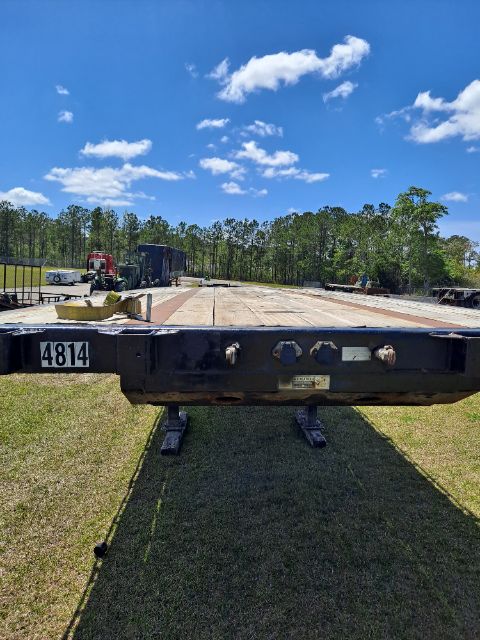
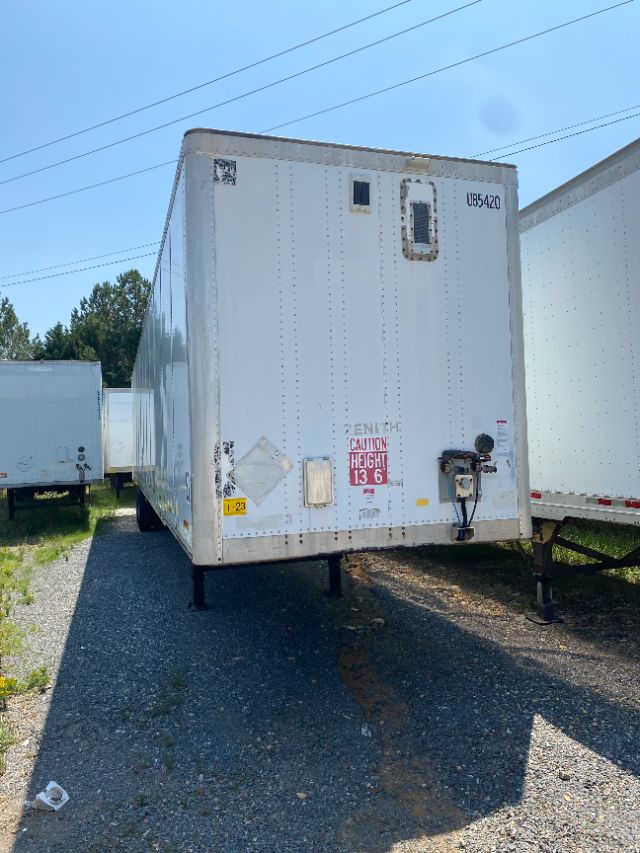

Selling a 2015 trailer? List your 2015 trailer for sale and reach thousands of commercial buyers.
2015 Trailers in North Carolina
The first decision is usually application, not brand. A 2015 dry van trailer may offer composite or aluminum construction, logistics posts, scuff liners, swing or roll-up doors, wood flooring, air ride suspension, and tandem axles. A 2015 reefer trailer adds another layer of inspection with the refrigeration unit, bulkhead setup, floor condition, door seals, and hours on the unit. Multi-temp reefers from this period can be especially useful for grocery and route delivery work, but buyers should confirm evaporator layout, side-door configuration, insulation condition, and whether the unit is spec'd for stationary tandem or highway use. Tank trailers from the same year need a different review entirely, including barrel material, discharge style, capacity, insulation, piping size, manholes, DOT spec, and suspension type.
Condition matters more than model year once a trailer reaches this age. On a 2015 trailer, buyers should look closely at crossmember condition, floor wear, roof integrity, rear frame corrosion, kingpin wear, bushing and suspension condition, axle alignment, brake life, and tire date codes. Reefer buyers should also check unit start history, maintenance records, return air performance, and any evidence of floor channel damage or past sidewall repair. Tank and pneumatic trailers should be reviewed for product compatibility, barrel or frame corrosion, valve condition, hose tube integrity, and documentation tied to inspections or certifications. If the trailer will run heavy interstate miles in North Carolina and surrounding states, suspension spec, tire size, and parts support are just as important as purchase price.
A 2015 trailer can be a strong value when the spec matches the freight. Fleets focused on general freight may prioritize air ride, 22.5 low-pro tires, 36-inch kingpin settings, swing doors, and logistics-ready interiors. Reefer operators may lean toward aluminum floors, stainless rear frames, curbside access doors, and proven Thermo King or Carrier units. Bulk and liquid haulers will care more about capacity, discharge setup, stainless construction, and compliance with the intended commodity. The best 2015 trailers are the ones with a clear maintenance story, a spec that fits the lane, and structural condition that supports several more years of dependable service.
Frequently Asked Questions about 2015 Trailers in North Carolina
Is a 2015 trailer still a good buy for commercial use?
A 2015 trailer can still be a very good commercial asset if the structure, running gear, and application-specific components are in solid condition. Buyers should place more weight on maintenance history, floor and frame integrity, suspension wear, brake condition, tire age, and repair quality than on the model year alone. A well-kept 2015 trailer can deliver strong value compared with newer equipment, especially in regional or dedicated service.
What should I inspect first on a used 2015 reefer trailer?
Start with the refrigeration unit, insulation package, and body integrity. Confirm engine hours on the reefer unit, service records, door seal condition, floor channel health, and whether the unit can hold setpoint under load. Then inspect the trailer itself for frame corrosion, suspension wear, brake life, tire condition, and any signs of sidewall, roof, or rear frame damage. On multi-temp models, verify the bulkhead and evaporator setup matches your delivery profile.
What are common specs found on 2015 dry van trailers?
Common 2015 dry van specs include 53-foot length, 102-inch width, tandem axles, air ride suspension, 22.5 low-profile tires, composite or sheet-and-post construction, wood floors, aluminum roofs, and either swing or roll-up rear doors. Many also have logistics posts on regular centers, steel or composite scuff liners, threshold plates, and 36-inch kingpin settings. Exact specs vary by fleet application, but these are typical features buyers will encounter in this model year.
How do I choose between a 2015 van, reefer, or tank trailer?
The right choice depends entirely on freight type, loading pattern, and compliance requirements. Dry vans are built for general palletized freight and distribution work. Reefers are designed for temperature-controlled freight and may include multi-temp capability for route delivery. Tank trailers are built around commodity compatibility, discharge method, and regulatory spec such as DOT ratings. Buyers should define freight first, then compare dimensions, suspension, body material, access points, and operating costs.
Are parts and service support still readily available for 2015 trailers?
In most cases, yes. Many 2015 trailers use standard axle, brake, suspension, wheel-end, door, and lighting components that remain widely supported across North Carolina and the broader Southeast. Reefer trailers may require closer review because serviceability depends on the refrigeration unit brand, model, and control system generation. Availability is usually strongest when the trailer uses common fleet specs and established component manufacturers.