
2015 Trailers For Sale in New York
Browse 2015 trailers for sale in New York, including dry vans and other commercial trailer types with specs that matter to fleet buyers.
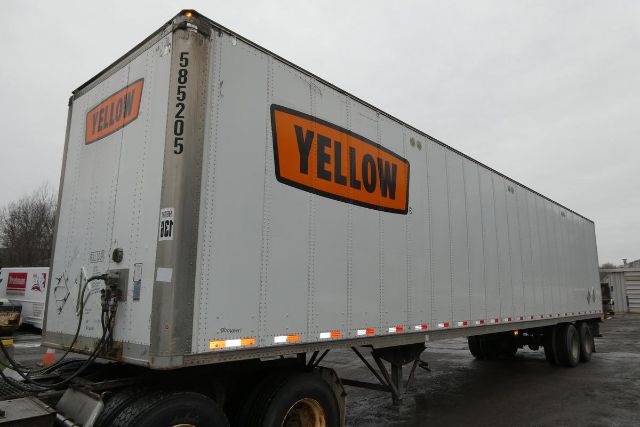
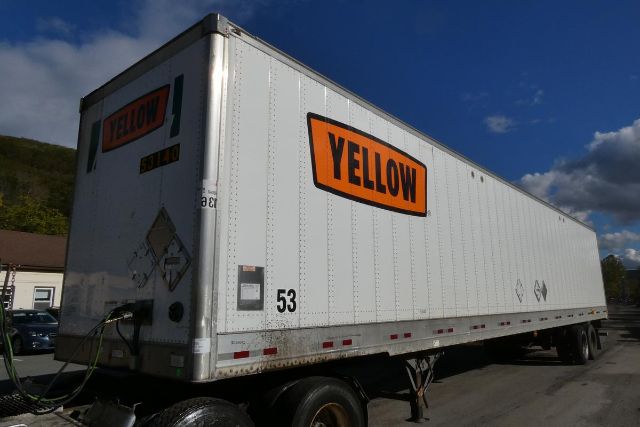
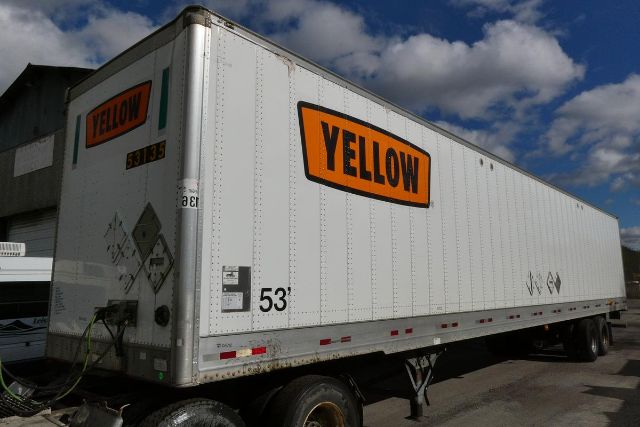
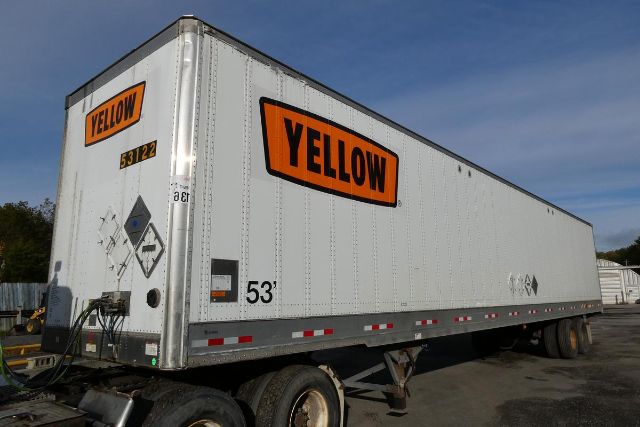
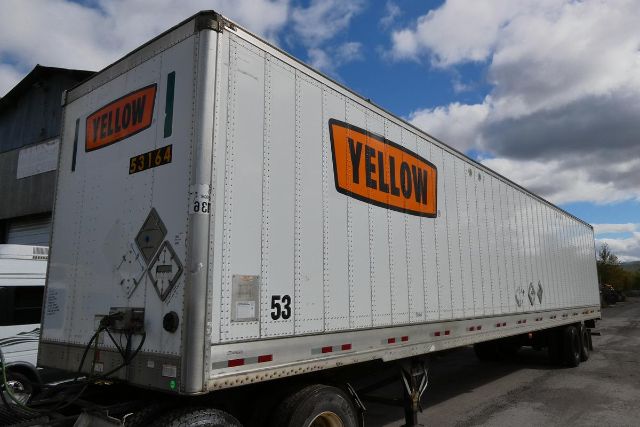
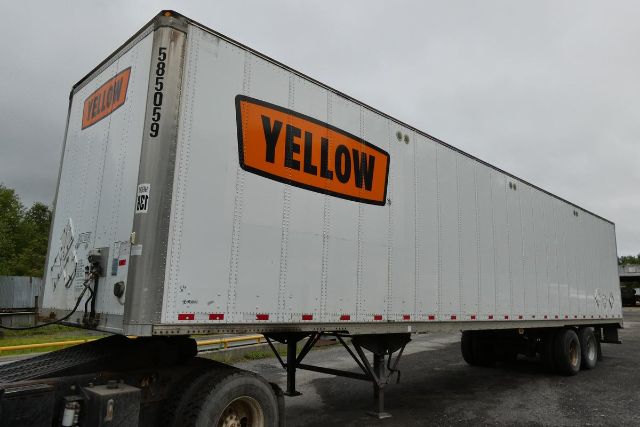

Selling a 2015 trailer? List your 2015 trailer for sale and reach thousands of commercial buyers.
2015 Trailers in New York
Dry van trailers from this model year are commonly spec'd with wood-over-steel floors, aluminum roofs, roll-up or swing doors, and either spring ride or air ride suspensions. A 2015 single axle pup trailer can make sense for P&D, LTL, and doubles service where maneuverability and lower empty weight matter. A tandem axle van is a better fit for higher payloads, dock freight, and broader lane flexibility. In New York, trailer length and axle placement matter more than many buyers expect because tight urban deliveries, bridge clearances, toll structures, and warehouse yard space can all influence the right spec. If the trailer will run linehaul, check for side skirts, hub-piloted wheels, standard 22.5 low-pro tires, and a kingpin setting that matches your tractor and fleet trailer pool.
Condition is where a 2015 trailer can separate itself. Look at crossmembers, lower rails, rear frame, door surround, ICC bumper, landing gear, and suspension hangers for corrosion or repair history, especially in Northeast service where road salt is a factor. Floor wear, roof patches, logistics post damage, and scuff liner condition tell you a lot about how the trailer was used. Brake condition, tire age, ABS function, and any signs of chronic alignment issues should be reviewed before focusing on cosmetic appearance. On van trailers, door operation matters more than it seems. Roll-up doors are common in city and dock work, while swing doors can save weight and simplify repairs depending on the application.
The best 2015 trailer is the one that matches freight type, loading method, and operating radius. A buyer running palletized dry freight may prioritize cubic capacity, door opening dimensions, and a clean, dry interior. A buyer handling doubles may focus on shorter overall length, fixed single axle configuration, and converter-dolly compatibility. Others may be looking across multiple trailer categories from the same year, including dry bulk, reefers, flats, or specialty units, where tank capacity, discharge plumbing, reefer hours, or deck construction become the primary filters. The value in a 2015 model year is usually found in proven design, easier parts support, and a purchase price that leaves room in the budget for tires, brakes, flooring, or body work if needed.
Frequently Asked Questions about 2015 Trailers in New York
What should I look for first when buying a 2015 trailer?
Start with the structural and running gear items before looking at cosmetics. On a 2015 trailer, key inspection points include frame rails, crossmembers, suspension components, axle alignment, brake condition, tire date codes, wheel ends, landing gear, and rear frame integrity. On dry vans, also inspect the floor for forklift damage, the roof for leaks or patches, and the rear door opening for impact damage or worn hardware. A solid structure and clean maintenance history usually matter more than paint or panel appearance.
Is a 2015 dry van trailer still a good value for fleet or owner-operator use?
Yes, a 2015 dry van can still be a strong value if the trailer has been maintained and the major wear items are in acceptable condition. This model year is modern enough to offer standard 102-inch width, current tire and wheel formats, common brake components, and widespread parts availability. Buyers often choose a 2015 trailer because it can deliver useful service life at a lower acquisition cost than newer models, leaving more room for preventive repairs, flooring work, or tire replacement.
How do I choose between a single axle and tandem axle 2015 trailer?
The choice depends on payload, route profile, and freight type. A single axle 2015 trailer is often lighter, easier to maneuver, and common in pup and doubles applications. A tandem axle trailer generally offers better payload support, more stability at highway speed, and wider acceptance across general freight operations. If the trailer will run urban New York routes, tighter yards, or LTL service, a single axle or shorter wheelbase setup may be the better operational fit. For heavier palletized freight and broader lane flexibility, tandem is usually the safer choice.
Are spring ride and air ride both common on 2015 trailers?
Yes, both are common, and each has a different operating advantage. Spring ride is simple, durable, and often less expensive to maintain, which can make sense in rugged regional service. Air ride typically gives better cargo protection and ride quality, which is valuable for sensitive freight and linehaul work. On a used 2015 trailer, the better choice is often the suspension that has been maintained properly rather than the one that looks better on paper.
Why does trailer construction material matter on a 2015 model?
Construction material affects empty weight, corrosion resistance, repair cost, and long-term durability. Aluminum roof panels and aluminum components can help reduce weight and resist rust, while steel areas may offer strength but require closer inspection in Northeast environments. Many 2015 trailers use a combination of steel and aluminum to balance cost and performance. Buyers in New York should pay close attention to corrosion on steel substructures, rear frames, and underbody components because winter road treatment can accelerate wear.