
2015 Trailers For Sale in Georgia
Browse 2015 trailers for sale in Georgia, including dry van and freight trailer options with common specs, applications, and buyer guidance.

Selling a 2015 trailer? List your 2015 trailer for sale and reach thousands of commercial buyers.
2015 Trailers in Georgia
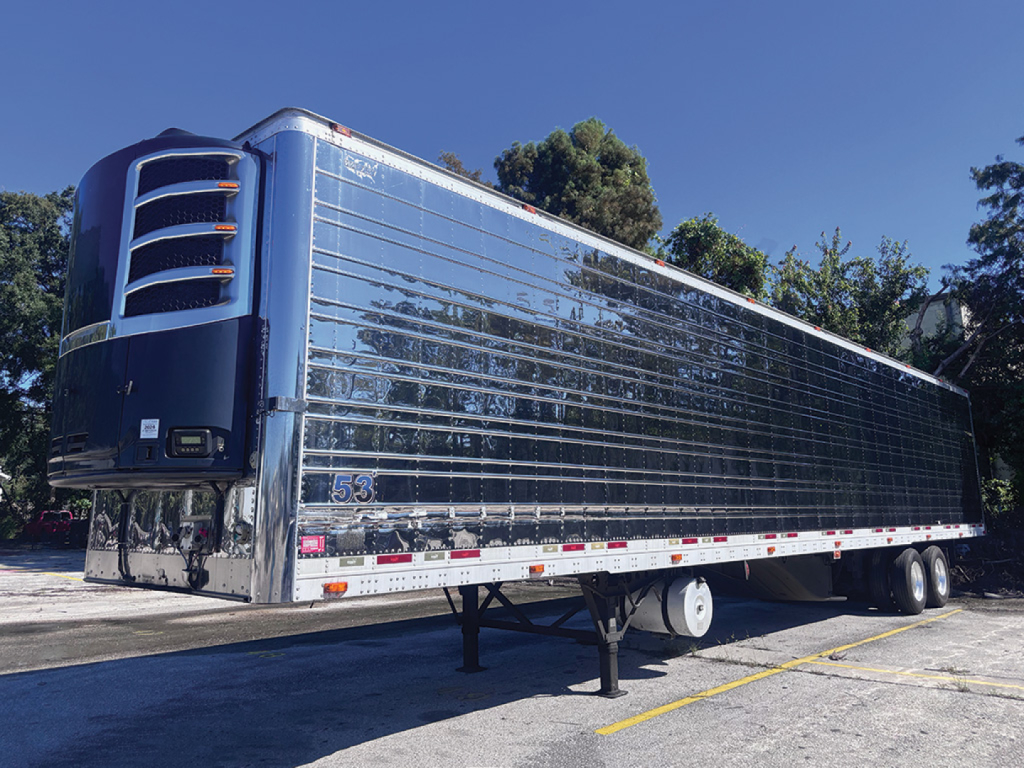
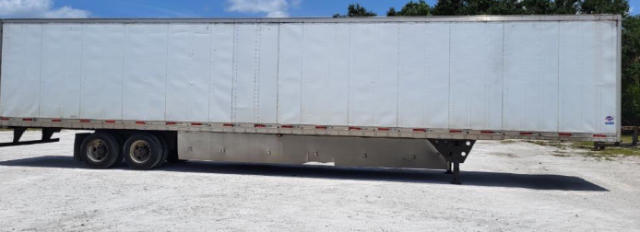
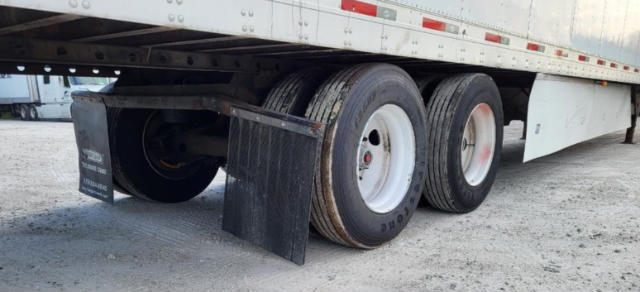
For a 2015 dry van trailer, the construction details matter more than the badge on the nose. Buyers typically compare aluminum versus composite lining, wood floor condition, scuff liners or scuff plates, threshold plate wear, and the state of the rear frame and swing doors. Air ride suspension remains a preferred setup for freight that needs better ride quality, while sliding tandems help with bridge law compliance and weight distribution. Tire inflation systems, side skirts, low-profile 22.5 tires, and disc wheels can also add value depending on the lane and maintenance program. If the trailer has seen heavy dock use, take a close look at crossmembers, ICC bumper alignment, upper coupler wear, and any signs of roof, sidewall, or floor repairs.
Georgia buyers should also think about the trailer’s intended route profile. A 2015 trailer used in dense metro deliveries may show different wear than one used on steady over-the-road freight. Equipment that regularly ran port, rail, or drop-and-hook cycles can have more landing gear, bogie rail, and rear sill wear even if the body still presents well. For van trailers, interior condition is a major resale and service-life factor. Logistics tracks, clean wall liners, solid floors, and straight door openings make a difference for shippers that load hard against trailer specs. If aerodynamic equipment like side skirts is present, inspect mounts and damage points, especially on trailers that ran mixed highway and yard environments.
The best 2015 trailers are usually the ones with a clear maintenance story and specs that match the freight. A buyer hauling palletized consumer goods may prioritize a clean 53-foot van with air ride, swing doors, and a good wood floor, while a fleet focused on cost control may look harder at tire age, brake life, suspension wear, and overall structural condition. In this age range, the smartest purchase decision comes from balancing acquisition cost against remaining floor life, lining condition, running gear health, and how easily the trailer can be kept compliant and productive in daily service.
Frequently Asked Questions about 2015 Trailers in Georgia
What are the most common specs on a 2015 dry van trailer?
A typical 2015 dry van trailer is 53 feet long, 102 inches wide, and 13 feet 6 inches tall. Common features include swing doors, sliding tandems, 22.5 low-profile tires, wood flooring, logistics posts or E-track style securement, and either spring or air ride suspension. Many trailers from this era also have scuff liners, threshold plates, and aluminum or composite interior lining.
Is a 2015 trailer too old for regular fleet use?
Not necessarily. A 2015 trailer can still be a practical fleet asset if the structure, floor, suspension, brakes, and rear frame are in sound condition. Trailer age matters less than maintenance history and application. A well-kept 2015 van trailer can continue in regional or over-the-road service, while a neglected one may need immediate floor, door, or running gear work regardless of brand.
What should I inspect first on a used 2015 trailer?
Start with the floor, roof, sidewalls, rear frame, doors, suspension, brakes, tires, and tandem slide system. Check for soft floor sections, patched roofs, cracked crossmembers, bent rear impact guards, and excessive wear around the kingpin and upper coupler. Also inspect the lining and scuff areas inside the trailer, because interior damage often points to hard forklift use or repeated dock impact.
Why does suspension type matter on a 2015 trailer?
Suspension type affects ride quality, cargo protection, maintenance costs, and resale appeal. Air ride suspension is often preferred for sensitive freight and smoother highway performance, while spring ride can be simpler and sometimes less expensive to maintain. The right choice depends on freight type, lane conditions, and how much priority you place on cargo protection versus basic operating cost.
What makes a 2015 trailer a better value than a newer model?
A 2015 trailer can offer a lower acquisition cost while still providing the standard dimensions and freight capability most shippers require. Buyers often target this year range when they want dependable capacity without paying for the newest emissions-era tractor-trailer package or late-model trailer premiums. The value is best when the trailer has solid structural condition, usable tire and brake life, and specifications that fit the intended freight from day one.