
2014 Trailers For Sale in South Dakota
Browse 2014 trailers for sale in South Dakota, including reefer and other commercial trailer types with specs that matter for freight and compliance.
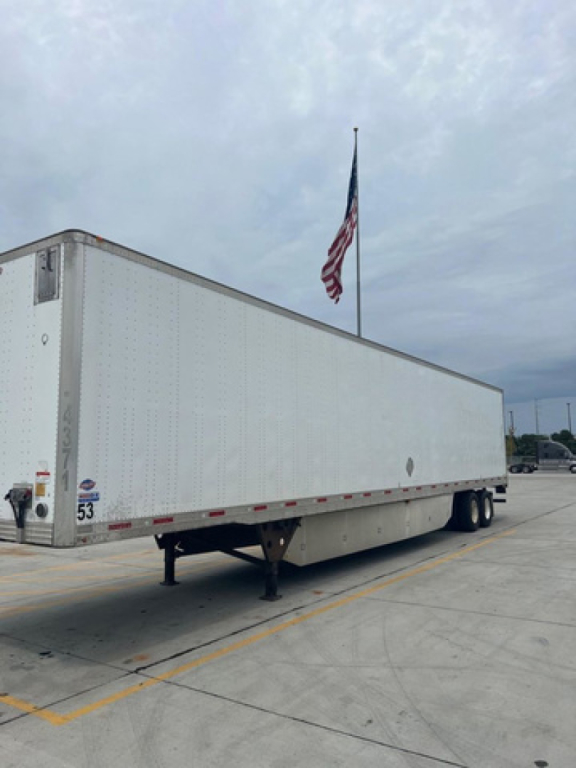
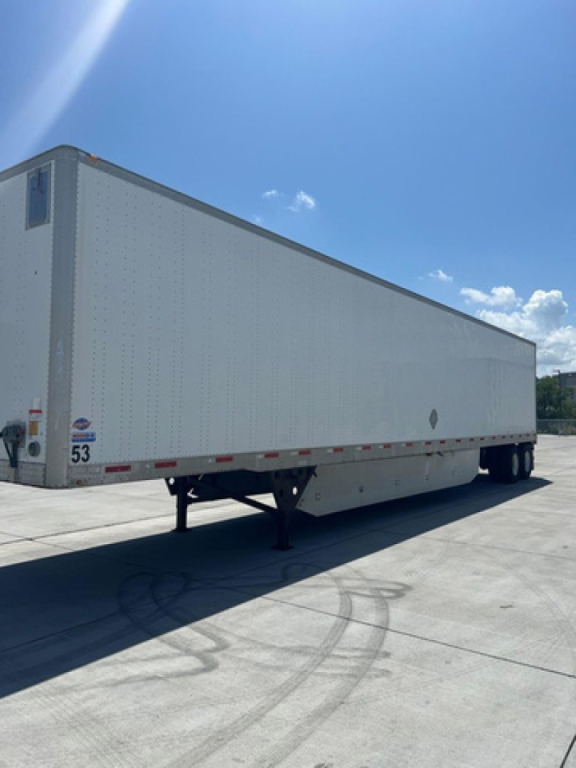
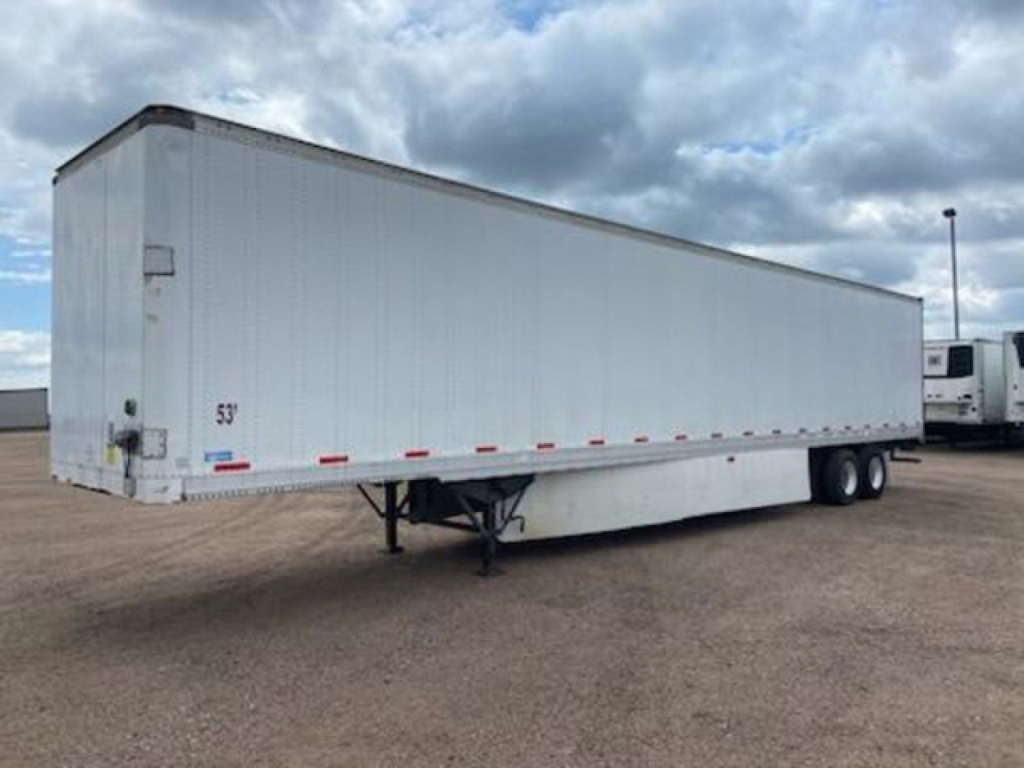
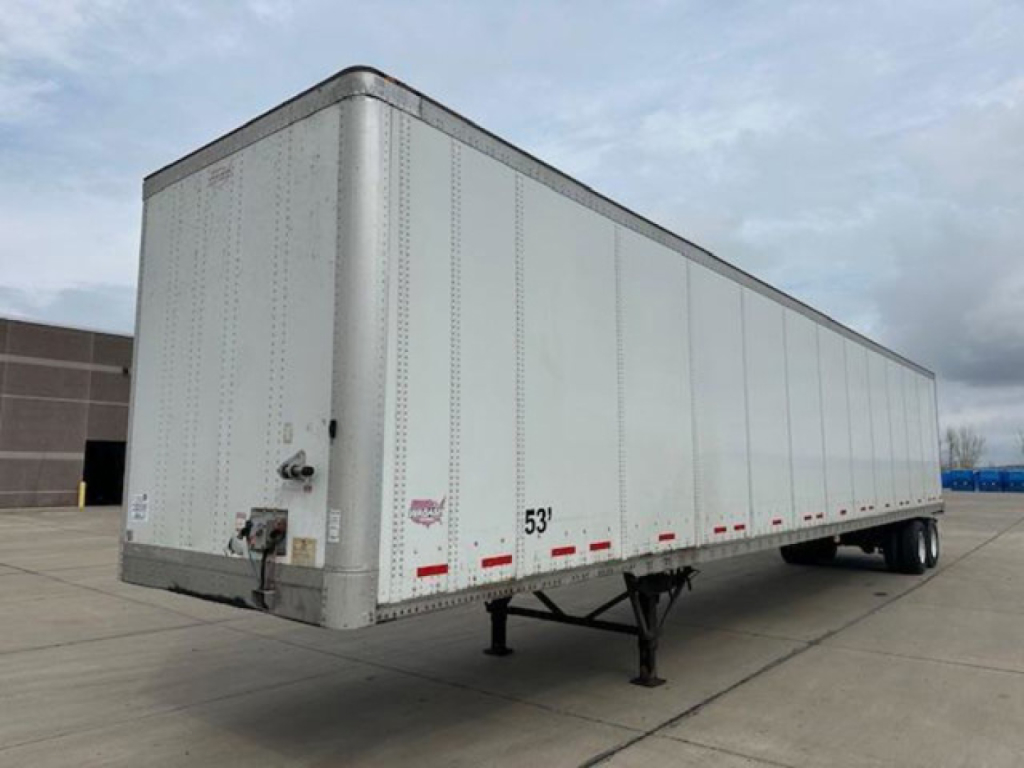
Selling a 2014 trailer? List your 2014 trailer for sale and reach thousands of commercial buyers.
2014 Trailers in South Dakota
The 2014 model year covers a wide range of trailer types, including dry vans, refrigerated trailers, flatbeds, step decks, hopper bottoms, grain trailers, livestock trailers, and dump trailers. Spec priorities depend on the work. A reefer buyer will want to confirm trailer body insulation, door seal condition, interior liner shape, reefer hour count, and unit service records. A dry van buyer should inspect the logistics track, swing doors or roll door, floor rating, and evidence of forklift damage. Flatbed and step deck buyers should pay attention to deck condition, concentrated load areas, winch track wear, tire inflation system setup, and any frame neck repairs. Agricultural buyers in South Dakota often look hard at tarp systems, trap operation, and axle configuration for harvest hauling.
Common specs on 2014 trailers include 53-foot lengths on vans and reefers, air ride or spring ride suspension, sliding tandem axles, 22.5-inch wheels, aluminum or steel wheel packages, and aluminum roofs on van-type trailers. Trailer weight is still important on older equipment because added repairs, lining patches, or heavy aftermarket modifications can cut into payload. On refrigerated trailers, it is worth confirming if the body is consistent with food-grade work, if scuff liners are intact, and if the chute, bulkhead, and drain layout match the freight mix. On any trailer, verify VIN tags, FHWA and DOT compliance items, ABS function, lighting, and kingpin area wear before putting it into regular service.
A good 2014 trailer is usually judged by how it was spec'd and how it was maintained, not just by age. Higher-mile regional freight, rough yard use, and repeated dock impact can age a trailer quickly, while a well-kept over-the-road unit may still have strong service life left. Buyers comparing listings should look at axle spread or slider setup, suspension type, lining or floor repairs, tire brand consistency, and evidence of preventive maintenance. If the trailer will run across state lines, it also pays to think through bridge law, payload targets, and how easily replacement parts for doors, suspension, brakes, and body hardware can be sourced.
Frequently Asked Questions about 2014 Trailers in South Dakota
What should I inspect first on a 2014 trailer?
Start with the frame, crossmembers, floor, roof, suspension, brakes, tires, and rear structure. On an older trailer, these areas tell you more about remaining service life than cosmetic appearance. Look for rust scale, cracked welds, floor soft spots, bowing, air leaks, brake chamber condition, slider wear, and uneven tire wear that may point to alignment or suspension issues.
Is a 2014 trailer too old for over-the-road service?
Not necessarily. A 2014 trailer can still be a solid over-the-road unit if it has been maintained correctly and the structure is sound. Age alone does not disqualify a trailer. Maintenance records, current DOT condition, brake and suspension health, reefer unit history if applicable, and overall structural condition are better indicators than model year by itself.
What trailer types are common in the 2014 model year?
The 2014 model year includes most major commercial trailer categories, such as dry vans, refrigerated trailers, flatbeds, step decks, dump trailers, hopper bottoms, grain trailers, and livestock trailers. The right choice depends on freight type, route profile, seasonal demand, and payload needs. Buyers in agricultural markets often compare hoppers and grain bodies closely, while general freight buyers tend to focus on van and reefer specs.
What matters most on a 2014 reefer trailer?
For a 2014 reefer, the key items are reefer unit hours, service records, fuel system condition, insulation performance, interior liner condition, door seals, and floor integrity. You also want to inspect the evaporator area, drains, chute, bulkhead, and the overall cleanliness of the box if it has been used for food service. A reefer trailer can look acceptable outside while still needing expensive refrigeration or body work.
Are older trailers harder to keep compliant and road-ready?
They can be, but much depends on prior care and parts support. Older trailers may need more frequent attention to lighting, wiring, ABS sensors, air valves, bushings, seals, and brake components. The advantage is that many 2014 trailers use proven, widely available running gear and standard hardware, which can make routine service manageable if the trailer starts from a solid baseline condition.