
2013 Trailers For Sale in Nebraska
Browse 2013 trailers for sale in Nebraska, including dry vans, reefers, flatbeds, and hopper trailers with buyer-focused spec insights.

Selling a 2013 trailer? List your 2013 trailer for sale and reach thousands of commercial buyers.
2013 Trailers in Nebraska
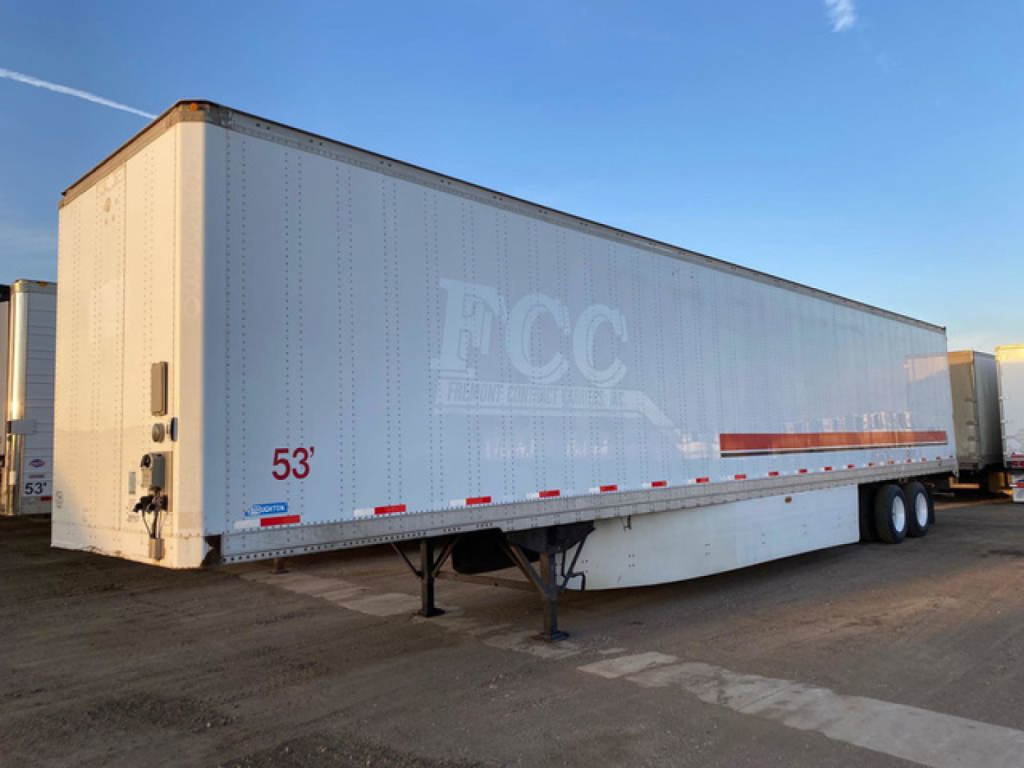
Dry vans from this year are commonly found in 53-foot lengths with 102-inch width, and they remain a staple for general freight, retail, and warehouse distribution. Buyers should inspect roof bows, crossmembers, rear frame, threshold plate, door hardware, and floor repairs, especially on trailers that saw heavy forklift traffic. Lining matters too. Plywood, composite, or plastic-lined interiors each tell you something about prior use and current versatility. Reefer trailers from 2013 can still make sense for regional or seasonal temperature-controlled work, but the trailer body and the refrigeration unit should be evaluated separately. Check hours on the unit, maintenance records, chute condition, duct floor integrity, door seal quality, and any evidence of patching around the front wall or evaporator area.
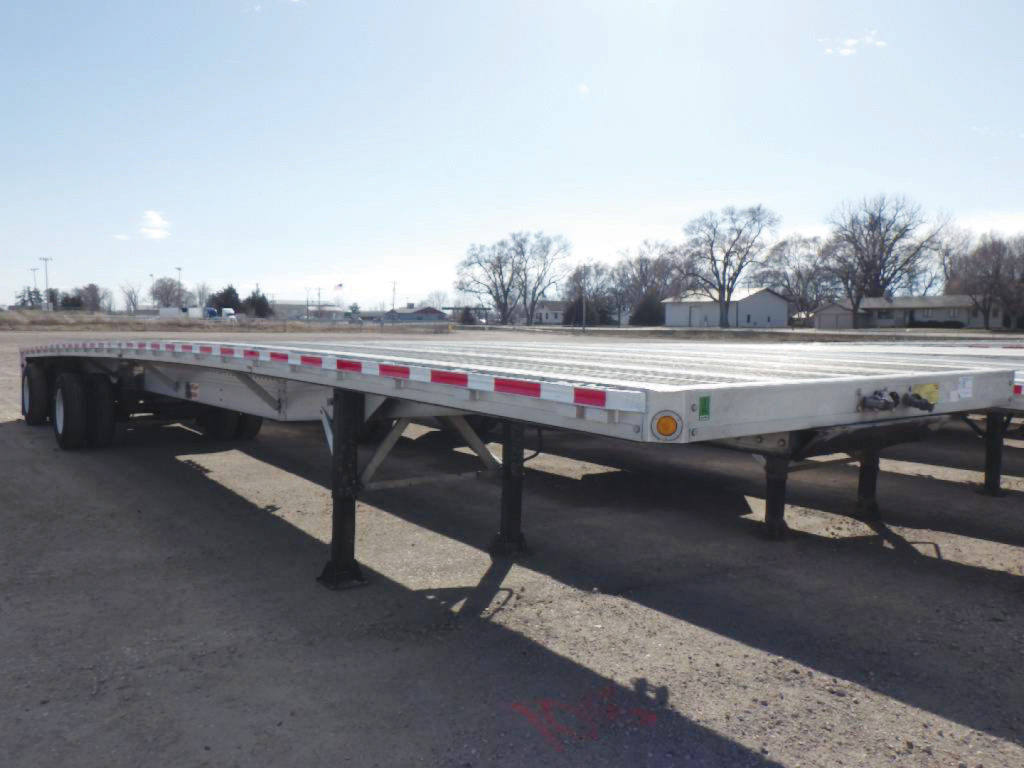
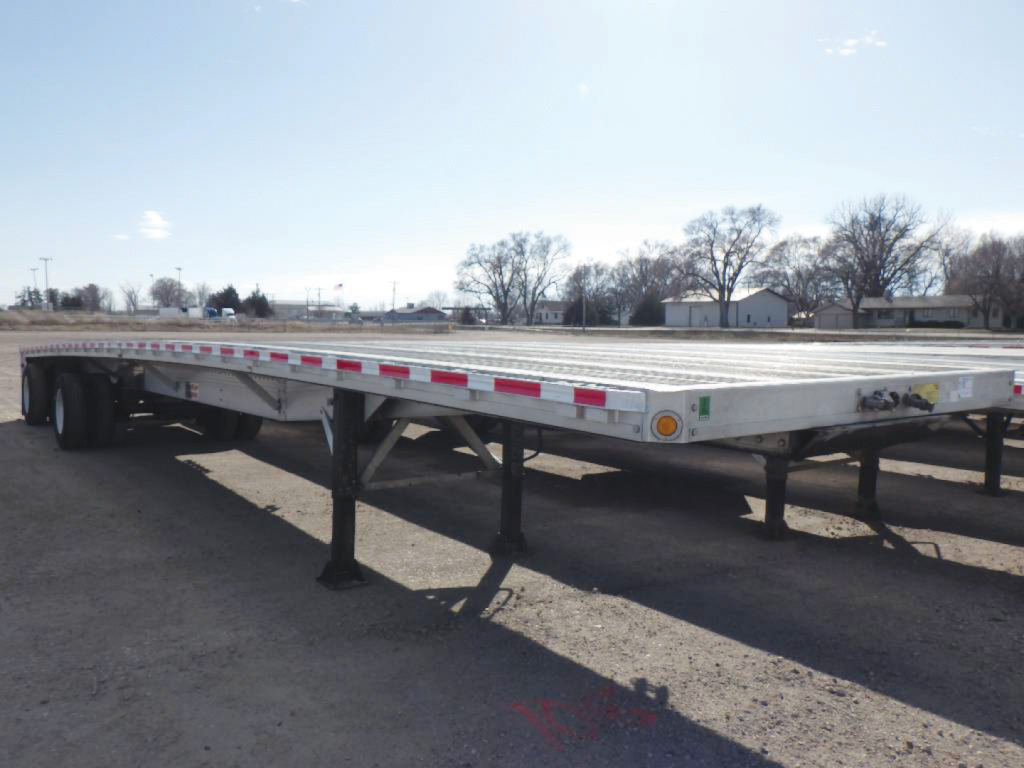
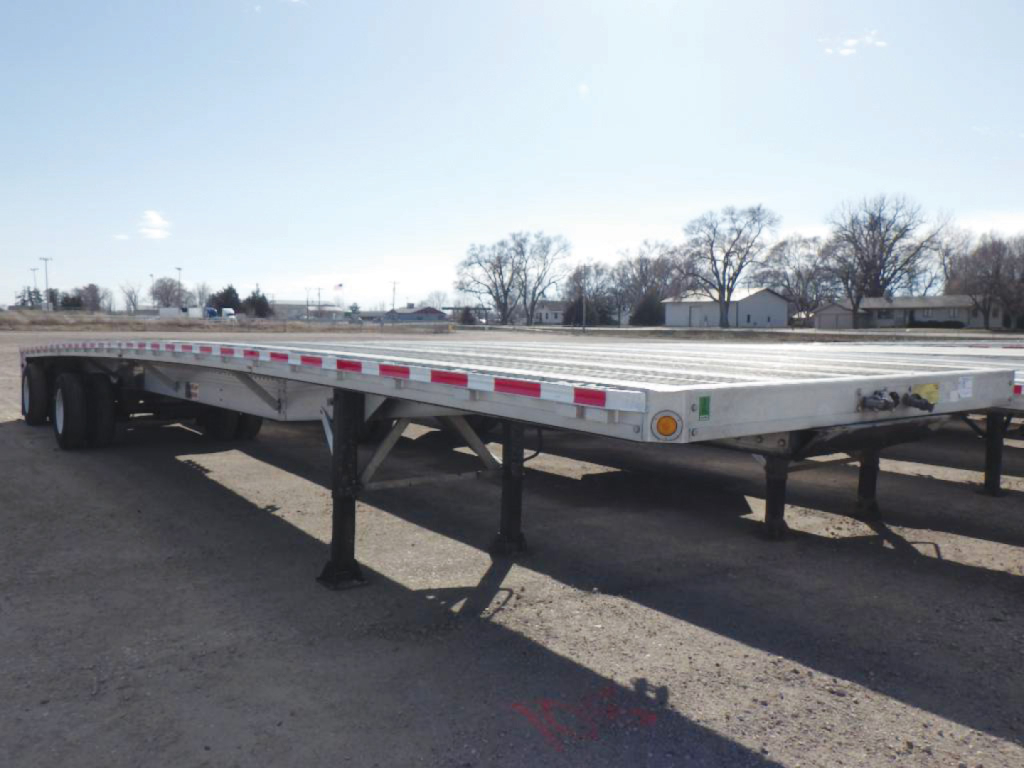
Flatbeds and hopper bottoms from the same year appeal to buyers focused on agriculture, building materials, machinery, and bulk commodities. Nebraska operators often prioritize aluminum construction for weight savings and corrosion resistance, especially in grain and fertilizer service. On flatbeds, look at the condition of the deck, winch track, coil package, outriggers, rub rail, and landing gear. On hopper trailers, pay attention to hopper door operation, trap seals, roll tarp condition, vibrators, subframe cracks, and any signs of product leakage or repair around the slope sheets. Suspension type, axle spread, and tire size all affect payload, maneuverability, and bridge compliance, so the right trailer is not just about price or age.
For any 2013 trailer, the best buying decision usually comes down to prior application and remaining service life in the major wear components. A clean 2013 Stoughton, Great Dane, Vanguard, Wilson, Timpte, Utility, or similar trailer may have plenty of work left if the frame is straight, the structure is sound, and the running gear has been kept up. Buyers comparing 2013 trailers for sale in Nebraska should focus on trailer type first, then confirm dimensions, suspension, door style, floor construction, lining, axle configuration, and maintenance documentation. That approach gives a more accurate picture of real operating value than model year alone.
Frequently Asked Questions about 2013 Trailers in Nebraska
What should I inspect first on a 2013 used trailer?
Start with the structure and running gear. Check the frame rails, crossmembers, suspension components, axles, brakes, wheel ends, tires, and landing gear before moving on to cosmetic details. After that, inspect application-specific items such as dry van floors, reefer seals and ducting, flatbed decks and winch tracks, or hopper doors and tarp systems. On a 2013 trailer, deferred maintenance is usually more important than brand name or paint condition.
Is a 2013 trailer too old for regular commercial use?
Not necessarily. A 2013 trailer can still be productive in fleet, regional, farm, or owner-operator service if it has been maintained properly and the major wear items have life left in them. Many buyers choose this age range because it can offer a lower purchase price without giving up the core specs needed for everyday hauling. The key is verifying structural condition, service records, and how hard the trailer was used.
Which 2013 trailer type is most common for Nebraska operations?
Dry vans, flatbeds, reefers, and hopper bottoms are all common in Nebraska because the state supports a mix of agriculture, food distribution, manufacturing, and construction freight. Hopper trailers are especially relevant for grain and bulk commodity work, while dry vans and reefers serve warehouse and food lanes. Flatbeds remain important for machinery, steel, lumber, and ag-related loads. The best fit depends on the freight, not just the age of the trailer.
What features add value on a 2013 dry van or reefer trailer?
On a dry van, buyers often look for air ride suspension, a sound wood or composite floor, scuff liners, logistics posts or E-track, tire inflation systems, and solid rear door hardware. On a reefer, added value usually comes from a well-maintained refrigeration unit, clean insulated walls, good door seals, duct flooring, stainless front or rear components, and maintenance documentation for the unit and trailer body. These features affect uptime, cargo protection, and resale more than appearance alone.
How important is trailer construction material on a 2013 model?
Construction material matters because it affects empty weight, corrosion resistance, repair cost, and long-term durability. Aluminum components can reduce tare weight and resist rust, which is useful for flatbeds, hopper trailers, and many van roofs. Steel can offer durability in high-stress areas but may require closer inspection for corrosion, especially in regions with winter road treatment. On a 2013 trailer, material choice should be considered together with current condition and the trailer’s intended use.