
2013 Trailers For Sale in Illinois
Shop 2013 trailers for sale in Illinois, including van, reefer, container, and flatbed types with specs that matter for freight, compliance, and ROI.
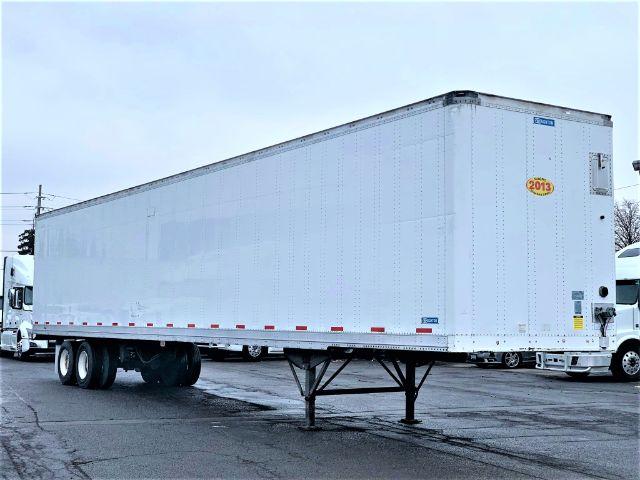

Looking for the easiest place to sell your 2013 trailer? List it here to reach thousands of buyers.
2013 Trailers in Illinois
On 2013 dry van trailers, buyers usually focus on 53-foot length, 102-inch width, tandem sliding axles, air ride suspension, wood floors, plywood lining, logistic posts, scuff liners, and swing or roll-up rear doors. For reefer trailers from this year, the condition of the refrigeration unit matters as much as the trailer itself. Check unit hours, fuel tank condition, evaporator and condenser service history, floor wear, door seals, and whether the trailer has an aluminum duct floor or another airflow design that matches the freight. For flatbeds and step decks, pay close attention to deck condition, crossmember integrity, tire wear across all axle positions, frame repairs, and whether axle spacing and suspension spec fit the weight laws and route profile you run.
Illinois buyers should also think about corrosion, especially on trailers that have spent years in Midwest winters. Rear frames, crossmembers, door hardware, landing gear mounts, brake components, and wiring deserve a close inspection. Suspension type, kingpin setting, axle configuration, and brake setup all affect how well a trailer matches your tractors and lanes. A clean 2013 trailer with good maintenance records, current inspection history, and no structural damage can still deliver strong value, especially in short-haul, regional, or dedicated service where trailer utilization is steady and predictable.
The best purchase decision usually comes down to total reconditioning cost, not just sale price. Tires, brakes, lights, floor work, reefer service, and FHWA compliance items can quickly change the real number. Buyers comparing 2013 trailers for sale should look beyond make and model and verify dimensions, suspension, axle spread or sliding position, lining, roof material, rear frame condition, and title status. A well-spec'd 2013 trailer that fits the freight and needs minimal shop time can still be a dependable revenue asset.
Frequently Asked Questions about 2013 Trailers in Illinois
What should I check first on a 2013 used trailer?
Start with structural condition. Inspect the frame, crossmembers, floor, roof, rear frame, door opening, landing gear mounts, and suspension hangers for cracks, corrosion, bad repairs, or impact damage. After that, review brakes, tires, wheel ends, lights, ABS function, and inspection status. On a reefer, add a full review of the refrigeration unit hours, service records, and temperature performance.
Is a 2013 trailer too old for regular freight service?
Not necessarily. A 2013 trailer can still be a solid fleet asset if it has been maintained correctly and the structure is clean. Age matters less than condition, prior use, and repair history. Many 2013 trailers remain productive in regional haul, dedicated contract freight, storage use, and short-to-medium length lanes where the trailer spec matches the application.
What trailer types are common in the 2013 model year market?
The 2013 market usually includes dry van trailers, reefer trailers, flatbeds, step decks, and storage or container-style units. Dry vans are common for palletized freight and retail distribution. Reefers are used for food and temperature-sensitive freight. Flatbeds and drop decks support construction materials, steel, equipment, and machinery that require open-deck loading.
Why do axle configuration and kingpin setting matter on a 2013 trailer?
These specs affect weight distribution, bridge compliance, turning clearance, and how the trailer matches your tractor. A sliding tandem gives flexibility for loading docks and state bridge laws, while spread axles may suit some open-deck applications. Kingpin setting influences gap to the tractor and can matter when pairing the trailer with fairings, sliding fifth wheels, or tighter maneuvering environments.
Are maintenance records important when buying a 2013 trailer?
Yes. Maintenance records often tell you more than the model year. Consistent brake work, tire replacement, wheel seal service, suspension repairs, reefer maintenance, and annual inspection documentation show how the trailer was managed. Good records reduce the guesswork on immediate shop costs and help identify whether the trailer was operated in a way that supports long-term reliability.