
2012 Trailers For Sale in New York
Shop 2012 trailers for sale in New York, including dry van and freight trailer options with common specs, axle setups, heights, and GVWR details.
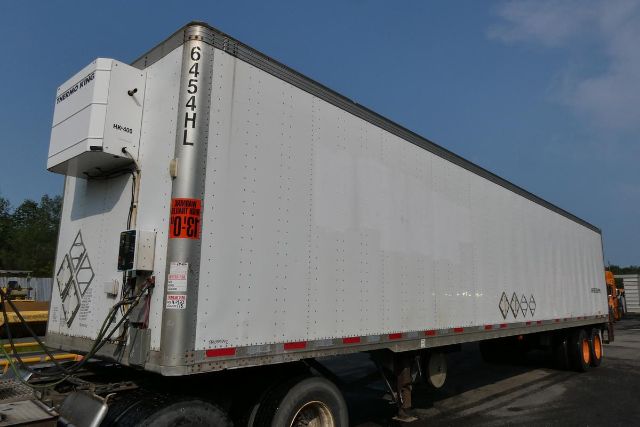
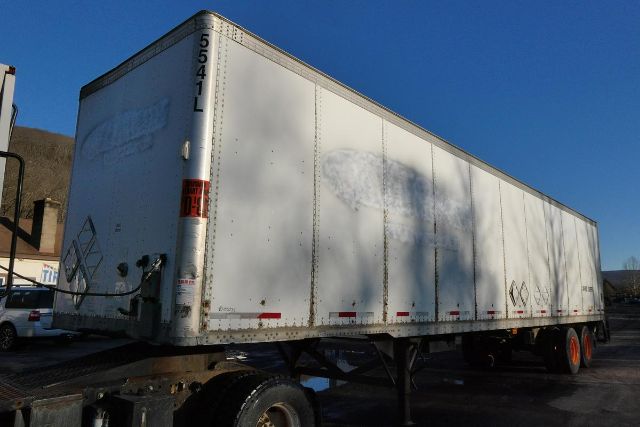
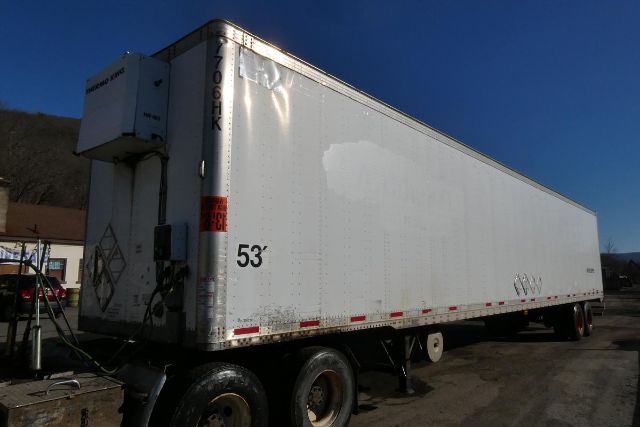
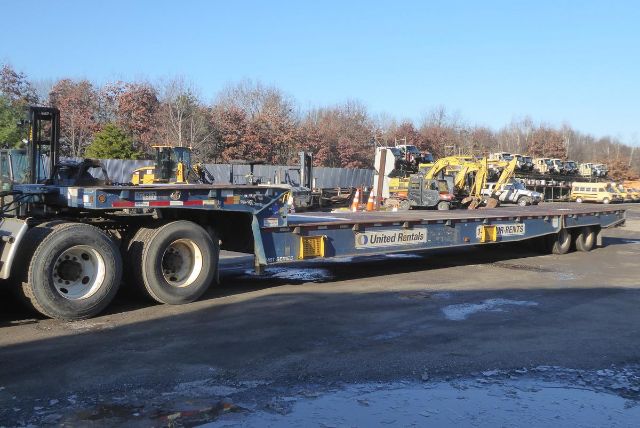
Selling a 2012 trailer? List your 2012 trailer for sale and reach thousands of commercial buyers.
2012 Trailers in New York
For van trailers, construction details matter as much as age. Many 2012-era units use a steel-and-aluminum combination to balance weight, durability, and repair cost. Wood-over-steel floors remain common and are still a practical choice for forklift traffic, but buyers should pay close attention to floor condition, crossmember integrity, rear frame wear, and roof condition. Roll-up doors are common on city and multi-stop freight trailers, while swing doors may appeal to buyers prioritizing full rear opening and simpler hardware. Interior height, door opening dimensions, scuff liner condition, and logistics posts can all affect how well the trailer fits your freight mix.
Axle and running gear specs have a direct impact on operating cost. A 2012 trailer may be equipped with 11R22.5 or low-profile 22.5 rubber, hub-piloted steel wheels, and tandem or single axle configurations depending on trailer type. Tire inflation systems can add value for fleets trying to control irregular wear and roadside calls. Suspension choice also affects resale and lane suitability. Air ride is usually preferred for freight that is sensitive to shock, while spring ride can be simpler and less expensive to maintain. Buyers in the Northeast should also inspect for corrosion on the subframe, slider box, brake components, and landing gear, especially on trailers that have spent years in winter road salt conditions.
The right 2012 trailer depends on freight, route density, and loading environment. A full-size dry van trailer suits dock-to-dock general freight, palletized products, and warehouse distribution. Shorter pups, often used in doubles service, are better for LTL and high-turn regional operations where maneuverability matters. Look closely at GVWR, empty weight, axle configuration, suspension type, rear door style, and any added equipment such as liftgates, translucent roofs, side skirts, or side windows. A well-spec'd 2012 trailer can still deliver strong service life if the structure is sound and the running gear has been maintained correctly.
Frequently Asked Questions about 2012 Trailers in New York
What should I inspect first on a 2012 used trailer?
Start with the structural components. Check the frame rails, crossmembers, slider assembly, suspension mounts, landing gear supports, rear impact guard, and roof bows for cracks, corrosion, and previous repairs. On dry vans, inspect the floor for soft spots and forklift damage, then check door operation, hinge or track wear, and the condition of the rear frame. Brake wear, tire condition, wheel seals, and ABS function should also be verified before focusing on cosmetic issues.
Is air ride or spring ride better on a 2012 trailer?
It depends on the freight and duty cycle. Air ride is generally preferred for fragile or high-value freight because it reduces shock transfer and often improves ride quality. Spring ride is simpler and can be less expensive to maintain, which makes it attractive for certain regional and vocational applications. On a 2012 trailer, the better choice is the one with components in stronger overall condition, since deferred maintenance can outweigh the original suspension design.
Why does a sliding tandem matter on a van trailer?
A sliding tandem gives the operator flexibility to adjust axle position for bridge law compliance, weight distribution, and dock approach needs. That matters in multi-state operations and in dense freight lanes where legal axle spacing and turning characteristics can affect efficiency. Buyers should inspect the slider rails, locking pins, bushings, and air release system carefully, because wear in those areas can create both safety and maintenance issues.
Are 2012 trailers still a good value for fleet use?
Yes, if the trailer has a solid structure and documented maintenance. Many 2012 trailers remain useful in regional haul, warehouse distribution, retail freight, and drop-and-hook service. Buyers often target this age range because acquisition cost is lower than late-model equipment while core specs such as 102-inch width, air brakes, standard dock height, and common tire sizes still fit modern operations. The key is to judge condition, not just model year.
What specs matter most when comparing 2012 dry van trailers?
The most important specs are length, overall height, inside height, axle configuration, suspension type, GVWR, empty weight, and rear door style. Construction materials also matter because steel, aluminum, and combo trailers have different tare weight and repair characteristics. If the trailer will be used in urban delivery or multi-stop freight, features such as a liftgate, roll-up door, scuff liners, and a tire inflation system can have a real effect on productivity and operating cost.