
2012 Trailers For Sale in Iowa
Compare 2012 trailers for sale in Iowa by frame condition, axle ratings, cargo fit, and service history, with checks for salt damage and farm hauling.
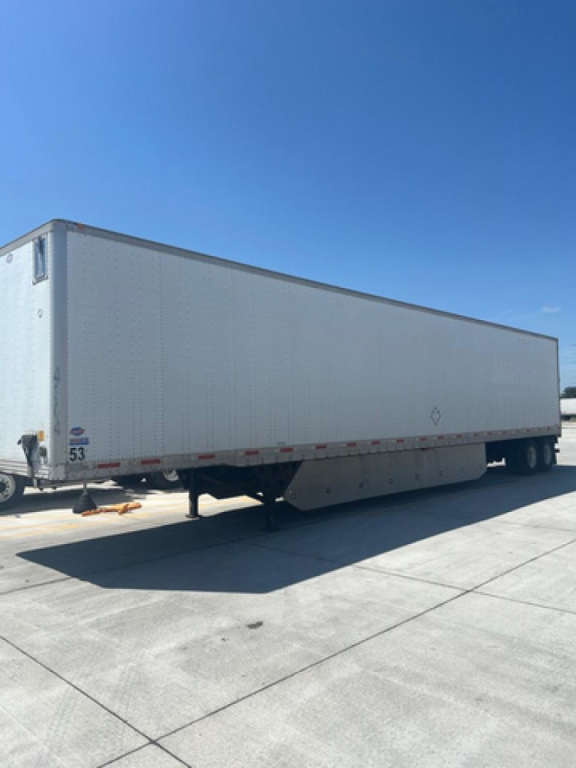
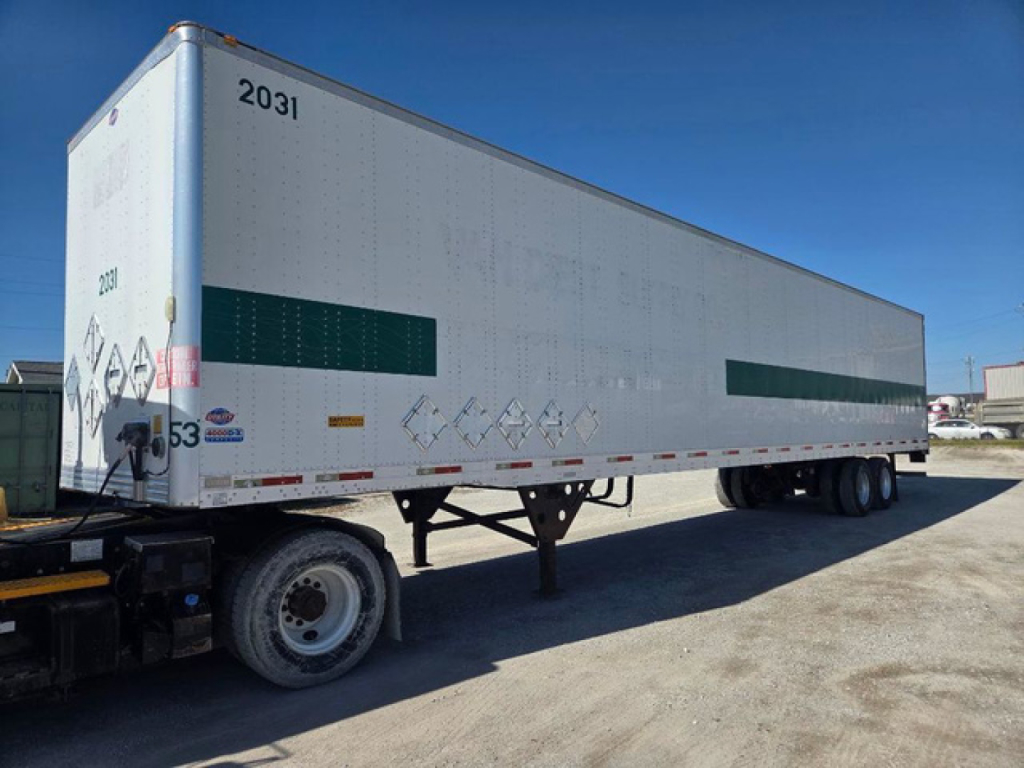

Selling a 2012 trailer? List your 2012 trailer for sale and reach thousands of commercial buyers.
2012 Trailers in Iowa
Match the body to Iowa's agricultural, food-processing, construction, and manufacturing work before comparing options. Hopper-bottom grain trailers need suitable hopper clearance, working traps, and a dependable tarp; livestock trailers need sound floors, gates, and ventilation. Dry vans moving freight along I-80 and I-35 need adequate inside dimensions, door clearance, and floor ratings for forklift traffic. Refrigerated trailers need intact insulation, tight doors, and refrigeration capacity matched to the product. For flatbeds, dumps, and lowboys, compare concentrated-load ratings, deck or body condition, and loading geometry. Compare GVWR, axle spacing, tire capacities, and actual empty weight with Iowa bridge limits and route restrictions; body capacity alone does not establish legal payload.
The 2012 model year does not establish remaining service life; duty cycle, corrosion exposure, and documented repairs matter more. Request brake and wheel-end records, alignment history, suspension repairs, and structural repair documentation. Check ABS warning-light operation, wiring, air lines, brake chambers, slack adjusters, tires, and wheel seals. Cycle sliding tandems and locking pins where equipped, and inspect air springs under pressure. For a reefer, obtain engine-hour and controller records, verify servicing, and test temperature pull-down and loaded-temperature performance rather than accepting a start-up alone.
For a 2012 trailer represented as new or unused, verify title status, storage-related deterioration, and written warranty terms. Inspect idle equipment for hardened seals, weathered tires, and seized brake or landing-gear components. A qualifying first retail sale of a new heavy trailer may carry 12% federal excise tax, regardless of its older model year.
Frequently Asked Questions about 2012 Trailers in Iowa
Can I use a 2012 refrigerated trailer if the refrigeration unit has been removed?
A 2012 refrigerated trailer without an operating refrigeration unit can carry only cargo that does not require active temperature control. Insulation alone cannot maintain a specified shipping temperature throughout a trip. For dry freight or storage, check interior dimensions, floor load ratings, drainage, odors, and water intrusion. A missing refrigeration unit also leaves an opening that must be properly closed and weatherproofed.
How much weight can a tandem-axle trailer haul legally in Iowa?
A standard five-axle tractor-trailer on Iowa Interstates is generally limited to 80,000 pounds gross, 20,000 pounds on a single axle, and 34,000 pounds on a tandem, subject to bridge-formula limits. Those are vehicle and axle limits, not payload allowances. Subtract the actual tractor-trailer empty weight and check equipment ratings, axle spacing, and posted restrictions. Agricultural exemptions or permits require separate verification for the commodity, route, and operating conditions.
Does a 2012 trailer need its own annual DOT inspection?
A 2012 trailer used in an interstate commercial combination subject to federal safety rules must pass a periodic inspection at least every 12 months. The tractor's inspection does not cover the trailer. Verify inspection documentation and confirm that the trailer identification matches the paperwork. A current inspection is not a substitute for a purchase inspection, and agricultural or intrastate exemptions require separate verification.
How do I check the age of tires on a 2012 trailer?
The last four digits of a modern tire's DOT identification number show its manufacturing week and year, not the trailer's model year. On a 2012 trailer, inspect every tire because replacements may have different ages and the complete code may face inward. Check sidewall cracking, bulges, irregular wear, and load range, then follow the tire manufacturer's inspection and retirement guidance rather than judging serviceability by tread depth alone.