
2011 Trailers For Sale in New York
Shop 2011 trailers for sale in New York, including dry vans and utility trailers with specs on length, GVWR, suspension, axle setup, and condition.
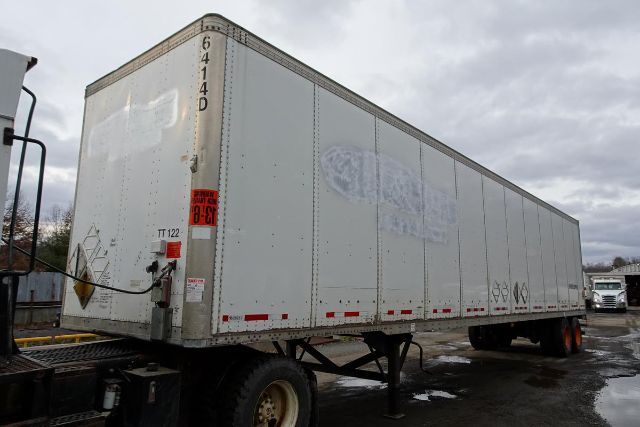
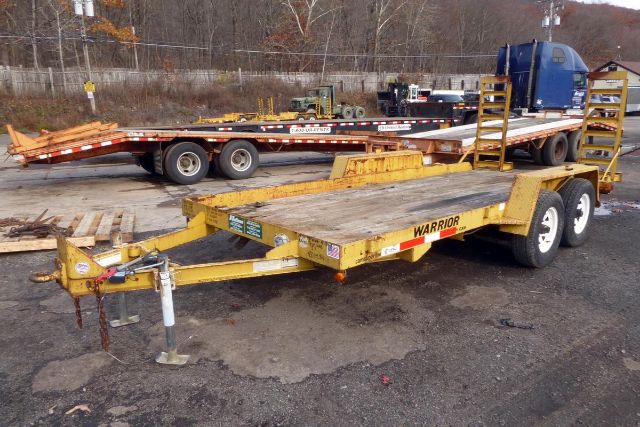
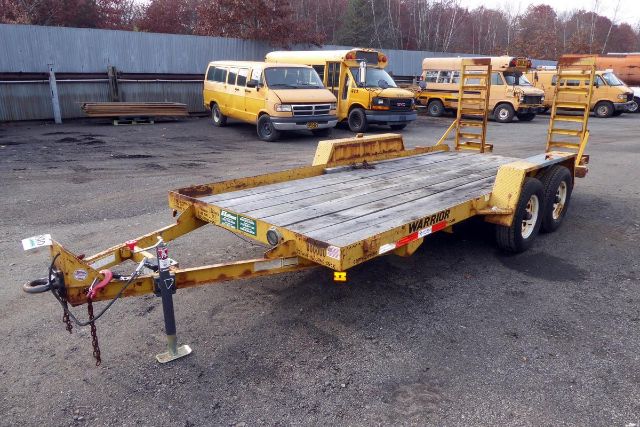
Selling a 2011 trailer? List your 2011 trailer for sale and reach thousands of commercial buyers.
2011 Trailers in New York
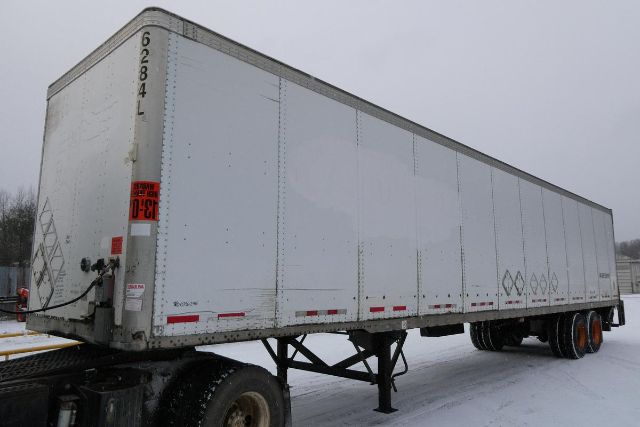
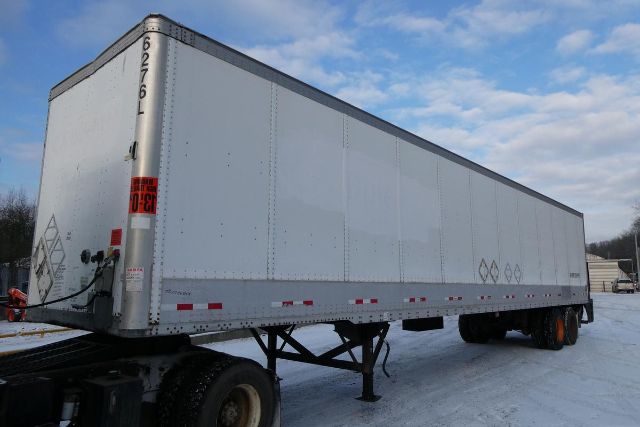
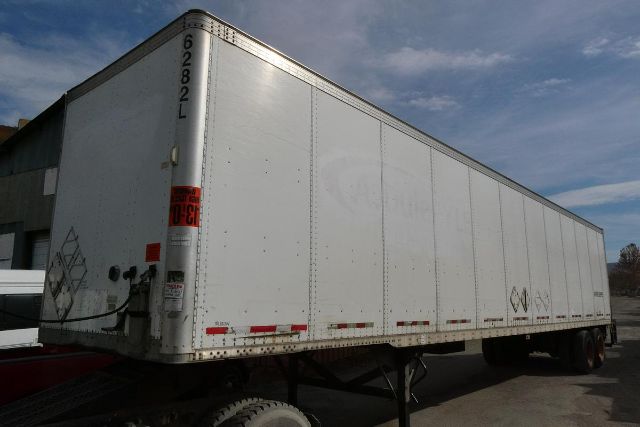
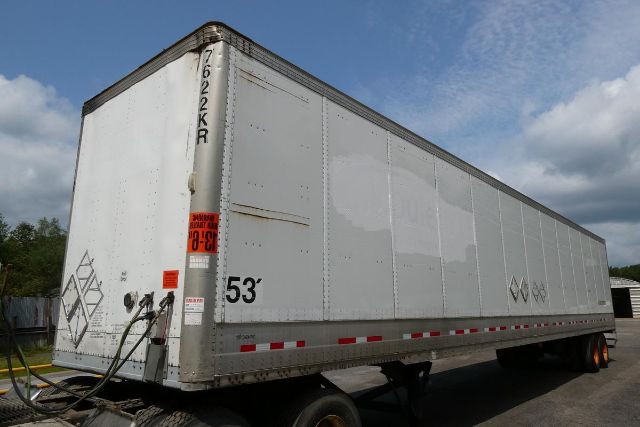
The most common 2011 trailers on the market are dry van trailers, also known as enclosed van trailers, typically in 48-foot or 53-foot lengths with 102-inch width, tandem axles, and air brakes. Many are set up with sliding tandems to help with bridge law compliance and axle spread requirements. Typical dry van specs in this model year include aluminum or aluminum-steel construction, wood floors over steel crossmembers, roll-up rear doors, and either spring ride or 4-bag air ride suspension. Buyers comparing 2011 van trailers should focus on tare weight, inside height, door opening dimensions, suspension type, and whether the trailer includes practical fleet options like scuff liners, e-track, logistic posts, load bars, tire inflation systems, or translucent roof panels.
If the trailer will stay in regional freight, local delivery, or warehouse shuttles, a 2011 model can still pencil out well if brakes, tires, and floor life are acceptable. A lighter-spec van may offer better payload, while a heavier trailer may have more durable flooring or a stronger rear frame for dock-heavy use. For utility trailers from this year, GVWR, deck length, axle rating, ramp design, and floor condition are the main decision points. Spring ride utility trailers are common and easy to maintain, but buyers still need to verify axle alignment, tire wear patterns, coupler condition, and whether the trailer's dimensions fit the equipment being hauled.
Older trailers live or die by condition and application fit, not just model year. A 2011 trailer with documented brake work, recent tires, solid bushings, and a sound floor can outperform a newer trailer that has been neglected. Check VIN tags, inspection history, title status, ABS function, lighting, and signs of previous body or frame repair. On van trailers, confirm kingpin wear, slider operation, door seal condition, and any signs of water intrusion. For New York operators, it also makes sense to factor in state inspection requirements, road exposure, and how easily the trailer can be brought into dependable daily service.
Frequently Asked Questions about 2011 Trailers in New York
What should I inspect first on a 2011 trailer?
Start with the frame, suspension, brakes, tires, and floor. On a 2011 trailer, age-related wear is usually more important than brand name alone. Look for rust at crossmembers, spring hangers, slider rails, rear frame sections, and landing gear mounts. Check brake stroke, lining thickness, tire date codes, tread wear, wheel seal leaks, and any soft spots or rot in the floor. On van trailers, inspect the roof, door frame, threshold, and kingpin area for fatigue or prior repair.
Are 2011 dry van trailers still a good buy for freight work?
They can be, especially for regional freight, storage, yard spotting, and dedicated lanes where appearance matters less than structural soundness. Many 2011 dry van trailers still offer standard fleet-friendly specs like 53-foot length, 102-inch width, sliding tandems, air ride suspension, and roll-up doors. The key is confirming that the trailer has enough remaining life in the floor, suspension, brakes, and tires to support your operating plan without immediate heavy repair costs.
What specs matter most when comparing 2011 trailer listings?
Focus on length, GVWR, empty weight, axle configuration, suspension type, brake setup, tire size, floor type, and trailer composition. For van trailers, inside height, door opening size, rear door style, and cargo control equipment such as e-track or scuff liners are also important. For utility trailers, deck length, deck height, ramp design, coupler type, and axle ratings are critical. These specs directly affect payload, legal compliance, loading efficiency, and maintenance cost.
Is air ride better than spring ride on a 2011 trailer?
Air ride usually provides better ride quality and can reduce cargo shock, which matters for palletized freight, consumer goods, and more fragile loads. Spring ride is simpler and often less expensive to maintain. On a 2011 trailer, the better choice depends on the condition of the components as much as the suspension design itself. A well-maintained spring ride trailer can be a smarter purchase than an air ride trailer with worn bags, valves, bushings, or alignment issues.
What should New York buyers watch for on used 2011 trailers?
Road salt exposure is a major factor in New York. Pay close attention to corrosion on the frame, brake components, wiring, fasteners, slider assemblies, and door hardware. Moisture intrusion can also accelerate floor and rear frame deterioration. Buyers should verify inspection readiness, lighting function, ABS status, and the condition of brakes and tires before putting a 2011 trailer into service. Regional operating conditions in the Northeast make underbody condition especially important.