
2010 Trailers For Sale in New York
Browse 2010 trailers for sale in New York, including common specs, trailer types, axle setups, dimensions, and buyer-focused features.
Learn more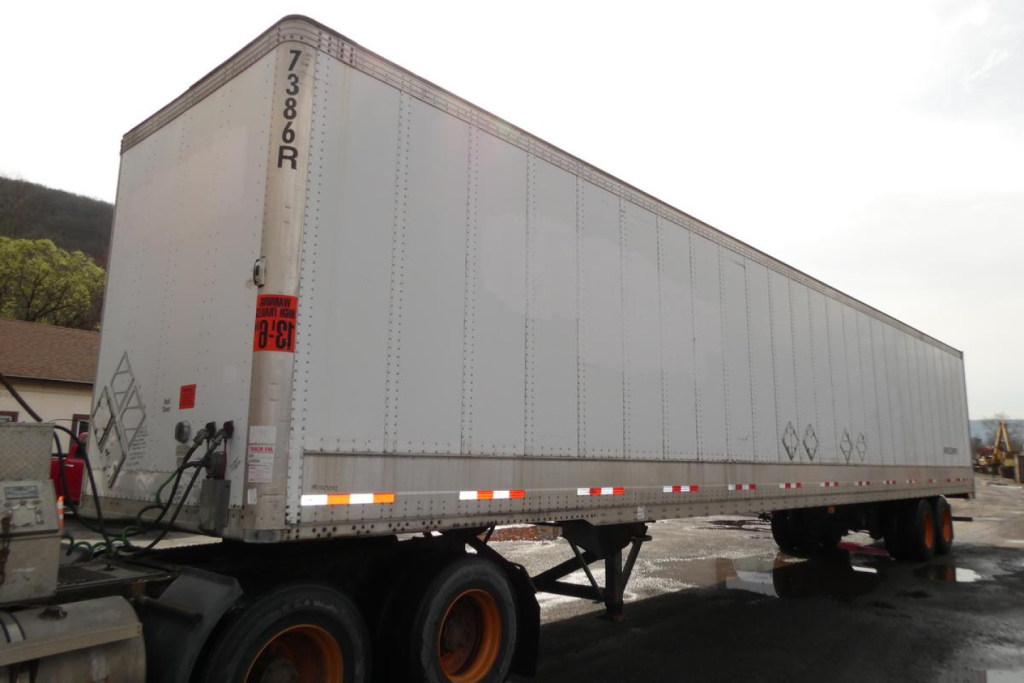
Have 2010 trailer to sell? List it here to reach thousands of buyers.
About 2010 Trailers in New York
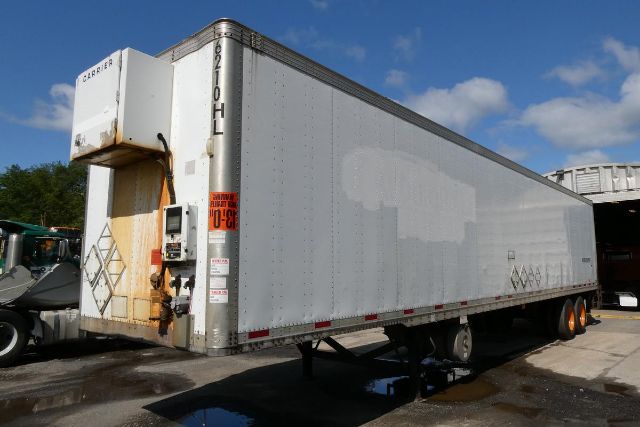
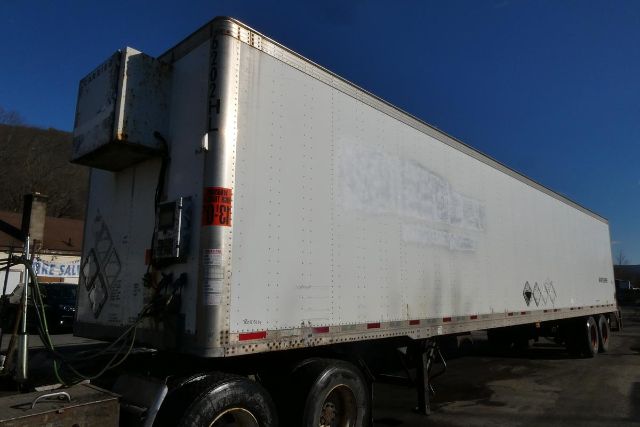
Common configurations in this class include 28-foot pups, 40-foot vans, 45-foot vans, and full 48-foot or 53-foot dry van trailers, also known as enclosed van trailers or box trailers. Tandem axle units with sliding tandems are popular because they give more flexibility for bridge law compliance, dock positioning, and load distribution. Single axle trailers show up in shorter lengths for city routes and doubles service. Typical specs for used trailers from this period include 102-inch overall width, outside heights around 12 feet 6 inches to 13 feet 6 inches, wood-over-steel floors, air brakes, and either spring ride or air ride suspension. Roll-up rear doors are common on delivery-oriented vans, while swing doors may appear on linehaul-focused units.
The best 2010 trailer for your operation depends on cargo, lanes, and loading method. For palletized freight and warehouse work, buyers usually focus on inside height, door opening dimensions, floor wear, and logistics post or scuff liner condition. For city delivery, a shorter wheelbase, liftgate, fixed axle setup, or even a heated body can matter more than maximum cubic capacity. For upstate New York and Northeast winter service, features like aluminum roofs, stainless rear hardware, tire inflation systems, and air ride suspension can help with longevity, cargo protection, and ride quality. If the trailer will spend time on rough yards or secondary roads, inspect suspension components, axle alignment, tire wear patterns, and brake condition closely.
A 2010 trailer should be evaluated as a working asset, not just by age. Buyers should compare empty weight against payload needs, check GVWR against planned freight, and confirm the trailer’s dimensions fit customer docks and route restrictions. Floor repairs, patched roofs, damaged side panels, worn kingpin plates, and tired slider boxes can turn a low purchase price into a high operating cost. A well-maintained 2010 dry van or specialty van trailer can still deliver dependable service in regional haul, local delivery, warehouse support, or seasonal overflow duty, especially when the trailer’s structure, running gear, and door system have been kept up properly.
Frequently Asked Questions
What should I inspect first on a 2010 used trailer?
Start with the structural components. Check the frame rails, crossmembers, rear sill, kingpin area, slider assembly if equipped, and the floor condition. After that, inspect the roof, sidewalls, rear door frame, suspension, brakes, tires, and wheel ends. On a 2010 trailer, deferred maintenance often shows up as floor soft spots, corrosion, poor door sealing, uneven tire wear, and cracking around high-stress areas.
Are 2010 dry van trailers still worth buying for commercial use?
Yes, many 2010 dry van trailers still make sense for commercial use if they have been maintained and the specs fit the operation. They are often a cost-effective option for regional freight, local delivery, storage, and warehouse support. The key is to buy based on condition, repair history, and component life rather than model year alone. A sound trailer with a solid floor, good brakes, straight structure, and usable tires can still provide reliable service.
What axle setup is most common on used trailers from this period?
Tandem axle trailers with sliding tandems are the most common setup in this age group, especially on dry vans. A sliding tandem allows better load placement and helps with bridge law compliance in different states. Fixed single axle setups are more common on shorter pups and city delivery trailers where maneuverability and lighter empty weight matter more than maximum flexibility.
Which trailer features matter most for New York operation?
For New York service, practical durability features matter. Buyers often prioritize air brakes, sound rear door seals, corrosion resistance, good floor condition, and suspension components that can handle rough pavement and frequent dock work. In winter conditions, roof condition, electrical reliability, tire condition, and brake health become especially important. If the trailer will run urban routes, shorter overall length, tight turning ability, and liftgate availability may also be important.
How do I choose the right length and height in a used trailer?
Choose length and height based on freight type, dock access, and route limitations. A 28-foot or 40-foot trailer can be easier to manage in urban deliveries, while 48-foot and 53-foot vans are better for maximizing cube and linehaul efficiency. Outside height affects bridge and route clearance, and inside height affects what can be loaded efficiently. Always confirm door opening size, inside width, and floor capacity before buying, especially if the trailer will handle palletized freight or taller packaged goods.