
2009 Trailers For Sale in Illinois
Browse 2009 trailers for sale in Illinois, including dry van, reefer, and other used trailer types with specs that matter to fleet buyers.
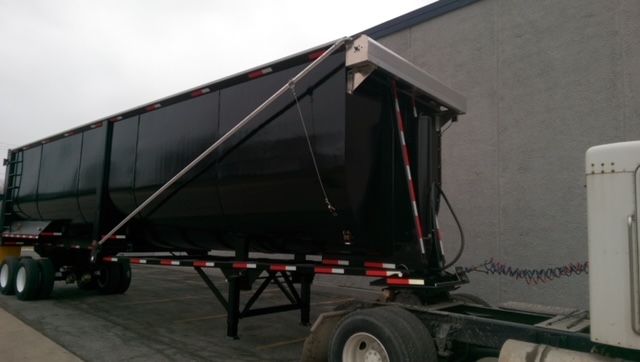
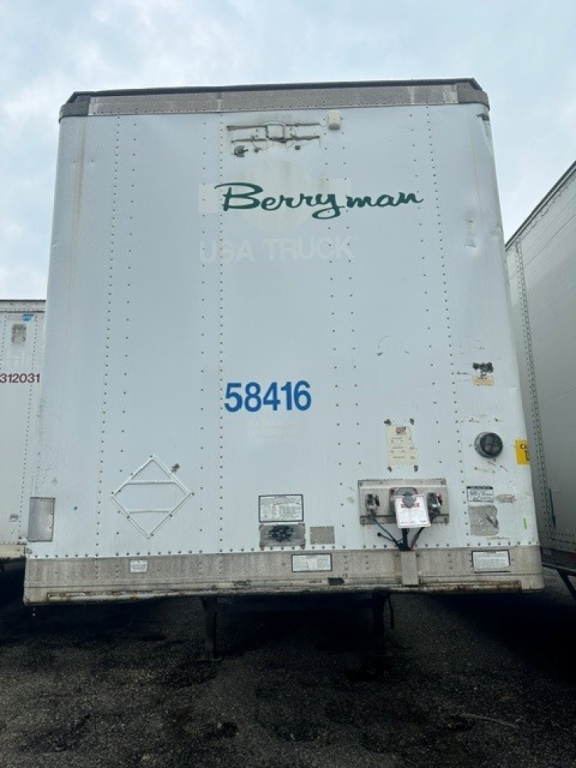

Looking for the easiest place to sell your 2009 trailer? List it here to reach thousands of buyers.
2009 Trailers in Illinois
For dry van buyers, interior condition matters as much as the outside skin. Look for floor wear, crossmember condition, roof integrity, door frame damage, and signs of previous forklift impact at the threshold plate and lower scuff area. Plywood lining, E-track, translucent roofs, and venting can add value depending on the freight mix. A 2009 van trailer may still fit well in dedicated shipper work, warehouse shuttles, or regional contract freight if the body is straight and the tandem assembly has not been abused. Suspension type is also important. Air ride usually brings better cargo protection and broader shipper acceptance, while spring ride may still work for lower-cost applications where ride quality is less critical.
For 2009 reefer trailers, the refrigeration unit and insulation package are the decision points. Buyers should verify reefer unit hours, service records, evaporator and condenser condition, fuel system integrity, and the condition of the floor, chute, and door seals. A trailer with a sound box but a tired unit can still make sense if you are budgeting for reefer work, but it needs to be priced accordingly. Stainless front corners, duct floors, undertray systems, and tight rear doors are all positive indicators on older refrigerated trailers. In Illinois, reefer buyers also need to think about winter starts, washout requirements, and whether the trailer is headed for produce, frozen freight, dairy, or local cold-chain distribution.
Age alone does not define the value of a 2009 trailer. The better buying approach is to compare specification, structural condition, tire and brake life, wheel-end history, DOT readiness, and how the trailer was previously used. Watch for corrosion on the rear frame, slider rails, landing gear mounts, and suspension hangers, especially on Midwest trailers exposed to road salt. A clean 2009 trailer with a solid maintenance history can still serve in regional fleet duty, drop trailer pools, storage use, or seasonal surge capacity. Buyers who match trailer age to the right application usually get the best return from this segment of the used trailer market.
Frequently Asked Questions about 2009 Trailers in Illinois
What should I inspect first on a 2009 used trailer?
Start with the frame, suspension, brakes, tires, wheel ends, and floor structure because those items drive immediate operating cost and safety compliance. On van and reefer trailers, also inspect the roof, rear door frame, crossmembers, landing gear, slider rails, and kingpin area. Evidence of corrosion, cracked welds, uneven tire wear, or floor soft spots can turn a lower purchase price into a costly repair cycle.
Is a 2009 trailer too old for regular over-the-road freight?
Not necessarily. A 2009 trailer can still be suitable for over-the-road service if it has been maintained correctly and meets the requirements of the freight and the customer. Many buyers place older trailers into regional lanes, drop-and-hook operations, shipper yards, or dedicated contract work where the trailer's condition and spec matter more than model year alone.
What features add the most value on a 2009 dry van trailer?
Air ride suspension, a sound wood floor, straight sidewalls, good rear doors, a clean roof, and a healthy tandem slider are usually the highest-value fundamentals. Features such as plywood lining, scuff liners, E-track, roll-up doors, and translucent roofs can also improve utility depending on the type of freight. The best value comes from a trailer with a strong structural base and minimal deferred maintenance.
What matters most when buying a 2009 reefer trailer?
The refrigeration unit condition is critical, but it should be evaluated together with the trailer body. Unit hours, service history, temperature performance, insulation condition, floor wear, door seal condition, and bulkhead or chute setup all affect the trailer's usefulness. A reefer with poor insulation or damaged doors can create temperature-control issues even if the unit itself runs properly.
Are Illinois trailers more likely to have corrosion issues?
Yes. Trailers that have spent years operating in Illinois and the broader Midwest often show more corrosion because of winter road treatment and moisture exposure. Pay close attention to the rear frame, suspension hangers, crossmember ends, landing gear brackets, and electrical connections. Surface rust is common, but advanced corrosion in structural areas should be evaluated carefully before purchase.