
2008 Trailers For Sale in Texas
Browse 2008 trailers for sale in Texas, including van, reefer, dump, and specialty trailers with specs, applications, and buyer guidance.

Have 2008 trailer to sell? List it here to reach thousands of buyers.
2008 Trailers in Texas
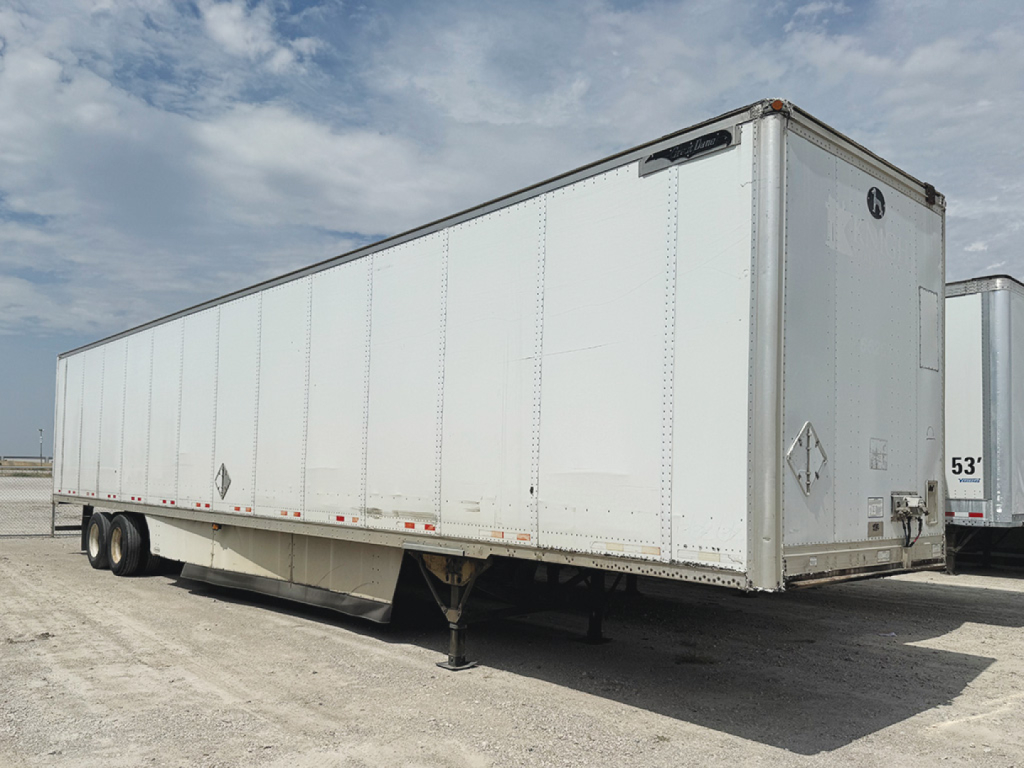
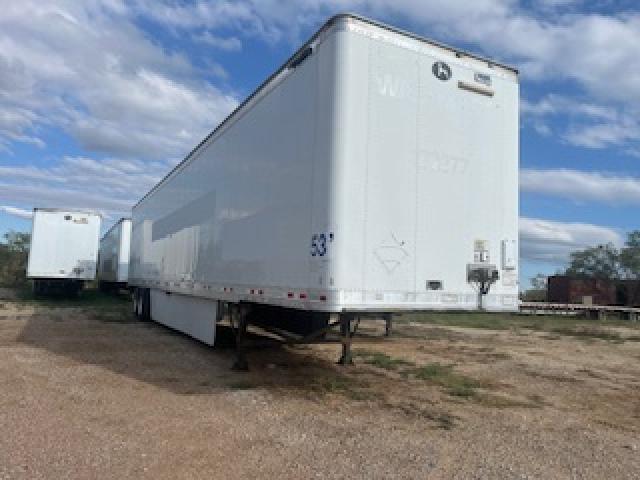
For enclosed trailers, focus on body construction and cargo system details. A 2008 dry van or box trailer may have aluminum or composite sidewalls, wood or laminated flooring, scuff liners or scuff plates, swing or roll doors, and either fixed or sliding tandems. Reefer trailers from this era need closer attention because the trailer body and the refrigeration unit must both pencil out. Check the reefer unit hours, service records, evaporator and condenser condition, insulation performance, door seals, duct floor condition, and any signs of prior floor patching or water intrusion. Common specs on highway van and reefer trailers include 53-foot length, 102-inch width, air ride suspension, and 22.5 low-profile rubber, but older regional and vocational units may vary widely.
For open and vocational trailers, the inspection priorities shift. A 2008 dump trailer should be evaluated for tub wear, hoist condition, hinge and gate integrity, tarp system operation, and cracks around high-stress points such as the kingpin area, suspension mounts, and rear frame. Flatbeds, drop decks, and equipment trailers should be checked for deck condition, crossmember corrosion, winch track wear, landing gear performance, and any frame repairs. On any 2008 trailer, buyers should also verify axle ratings, brake type, wheel-end condition, tire age, ABS function, and suspension setup such as spring ride or air ride. Sliding tandem operation, kingpin wear, and alignment matter because they directly affect tire cost, load balance, and how the trailer tracks on the road.
Texas buyers often balance acquisition cost against refurbishment needs. An older trailer can still be a solid fleet tool if it has good paperwork, clean VIN and title status, and recent work on brakes, tires, lights, wheel seals, bushings, and floor or roof repairs. It also helps to match the trailer to the lane and commodity. A local shuttle trailer may not need the same spec as an over-the-road unit crossing multiple states. If the trailer will be loaded heavy, cycled frequently, or backed into tight docks every day, structural condition and suspension health should carry more weight than cosmetic appearance. For many operations, a well-maintained 2008 trailer remains a cost-effective way to add capacity without stepping into late-model pricing.
Frequently Asked Questions about 2008 Trailers in Texas
What should I inspect first on a 2008 trailer?
Start with the frame, crossmembers, suspension, brakes, tires, wheel ends, floor, roof, and doors. Those items tell you more about remaining service life than paint or appearance. On enclosed trailers, also inspect for leaks, floor soft spots, scuff liner damage, and rear frame wear. On dump and vocational trailers, look closely at stress cracks, hoist mounts, hinge points, and gate seals.
Is a 2008 reefer trailer still a good buy?
It can be, but the refrigeration unit needs the same level of scrutiny as the trailer itself. Unit hours, maintenance records, fuel system condition, temperature pull-down performance, insulation integrity, and door seal condition all affect value. A sound trailer body with a weak or neglected unit can quickly become expensive, so buyers should look at total operating cost rather than purchase price alone.
What trailer specs are most common on 2008 highway trailers?
Many 2008 highway trailers were built in 53-foot by 102-inch configurations with tandem axles, air ride suspension, sliding tandems, and 22.5-inch wheels and tires. Dry vans often came with wood floors and logistics posts, while reefers commonly used aluminum duct floors, insulated bodies, and swing doors. Actual specs vary by application, especially on dump, flatbed, and specialty trailers.
Are parts and repairs still manageable on a 2008 trailer?
In most cases, yes. Brake components, suspension parts, wheel-end hardware, lighting, doors, seals, landing gear parts, and many body repair materials are still widely available for common trailer makes and configurations. The main exception is when a trailer has obsolete refrigeration components, heavily modified systems, or severe structural damage that makes repair costs hard to justify.
Does trailer age matter more than maintenance history?
Maintenance history usually matters more. A 2008 trailer with documented brake work, recent tires, solid floors, good alignment, and consistent inspections can be a better business decision than a newer trailer with neglected running gear or hidden structural issues. Age affects resale and some component life, but service records and physical condition are usually the stronger indicators of value.