
2006 Trailers For Sale in Nebraska
Browse 2006 trailers for sale in Nebraska, including common specs, applications, condition checkpoints, and what to compare before buying.
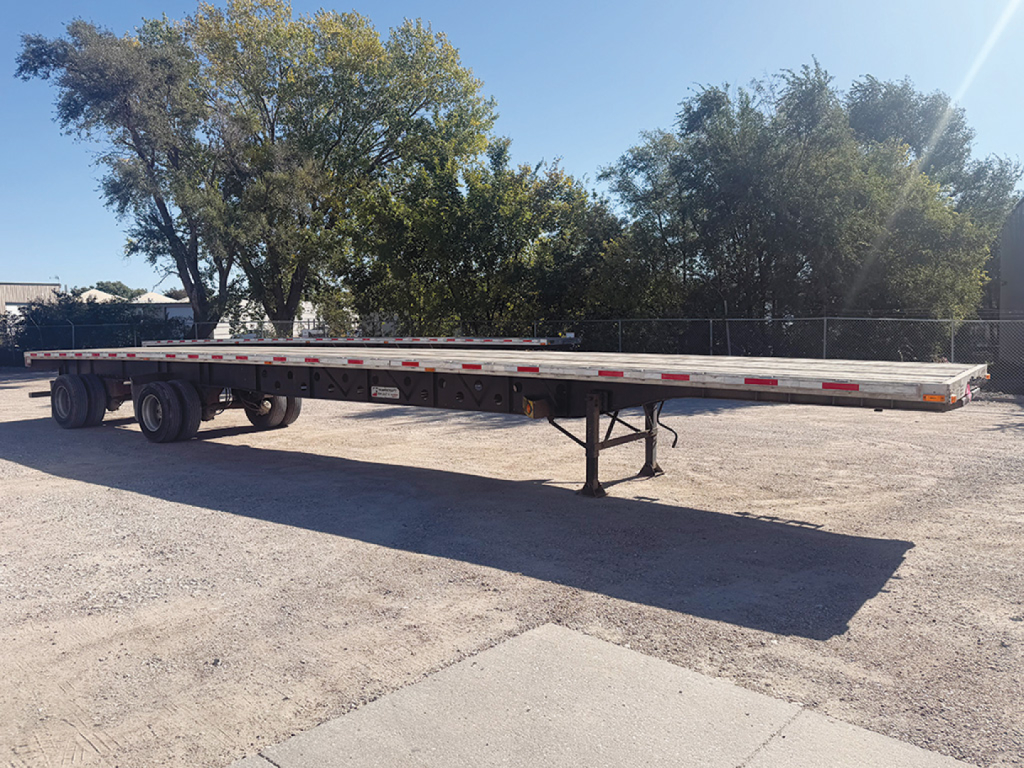
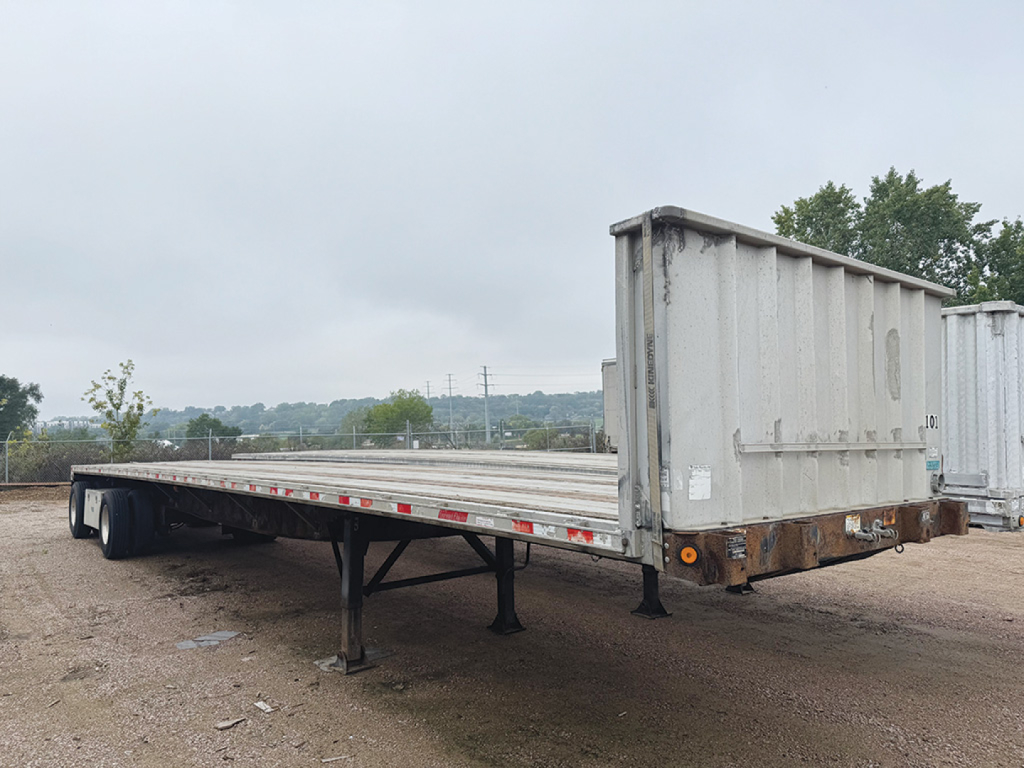

Selling a 2006 trailer? List your 2006 trailer for sale and reach thousands of commercial buyers.
2006 Trailers in Nebraska
Dry van trailers from this model year are common on the secondary market and are often found in 48-foot and 53-foot lengths with air-ride suspension, swing doors or roll-up doors, and either plywood or plastic interior lining. Important checkpoints include crossmember condition, floor wear from forklifts, roof bows, front wall repairs, tandem slide operation, and signs of sidewall delamination or patching. If the trailer has logistics posts, scuff liners, translucent roof panels, or a recent door rebuild, those details matter. Tire tread depth, brake lining life, and evidence of alignment problems can tell you a lot about how the trailer was maintained.
For Nebraska operations, application matters as much as age. A 2006 hopper or grain trailer may be a fit for harvest support if traps, hoppers, tarp system, and subframe are still tight and corrosion is under control. A belt trailer, also known as a live bottom trailer, needs close inspection of the belt, chain drive, discharge gate, liner condition, and hydraulic or electric tarp system. Flatbeds and drop decks from this year should be checked for deck condition, concentrated rust at stress points, winch track wear, and any frame repairs. Reefer buyers need to consider not just the trailer body but the refrigeration unit’s hours, parts support, and insulation integrity.
When comparing 2006 trailers, pay attention to axle ratings, suspension brand, wheel material, tire size, door configuration, lining, trailer length, and kingpin setting if the trailer will be used across different tractors and loading docks. Nebraska weather can expose weak seals, old wiring, and corrosion around the rear frame, upper coupler, and landing gear mounts, so those areas deserve a careful inspection. A well-kept 2006 trailer can still serve in regional freight, storage, farm support, or dedicated lane work, but the best buy is usually the one with the clearest maintenance history and the fewest structural unknowns.
Frequently Asked Questions about 2006 Trailers in Nebraska
What should I inspect first on a 2006 used trailer?
Start with the structure and running gear. Check the frame rails, crossmembers, floor, roof, rear frame, landing gear mounts, suspension hangers, and slider assembly if equipped. Then review brakes, wheel seals, hubs, tires, air lines, lights, and ABS function. On an older trailer, structural condition usually matters more than cosmetic appearance because major frame or floor repairs can quickly outweigh the purchase savings.
Is a 2006 trailer too old for commercial use?
Not necessarily. A 2006 trailer can still be a useful commercial asset if it has been maintained and the trailer’s condition matches the intended application. Many fleets use older trailers for regional lanes, drop-and-hook operations, storage, seasonal agriculture, or dedicated customer work. The key is verifying structural integrity, legal compliance, and maintenance needs before purchase rather than judging by model year alone.
What trailer types are common in Nebraska for this year range?
In Nebraska, buyers often look for dry vans, grain and hopper trailers, flatbeds, drop decks, reefers, and belt trailers. The right choice depends on whether the trailer will be used for farm commodities, regional freight, building materials, food distribution, or bulk handling. Local operating conditions make tarp systems, floor strength, suspension condition, and corrosion control especially important.
How important is suspension type on a 2006 trailer?
Suspension type is very important because it affects ride quality, cargo protection, tire wear, and long-term maintenance cost. Air-ride suspension is common on vans, reefers, and many specialized trailers because it helps reduce shock to freight and can improve ride performance. Mechanical suspension can still be a good fit in some applications, but buyers should inspect bushings, hangers, equalizers, and alignment-related tire wear closely on any older setup.
What specs matter most when comparing older dry van trailers?
Length, door type, lining, roof style, floor condition, suspension, axle rating, tandem slider function, and tire and brake life are the main specs to compare. Buyers should also look for scuff liners, logistics posts, recent body repairs, and signs of water intrusion. On a 2006 dry van, these details often have more impact on usable value than brand name alone.