
2003 Trailers For Sale
Browse 2003 trailers for sale, including flatbed, dry van, and tank trailers with common specs, applications, and buyer inspection tips.
Learn more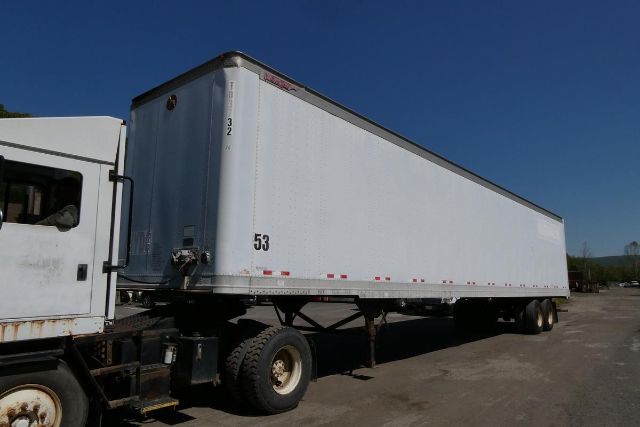
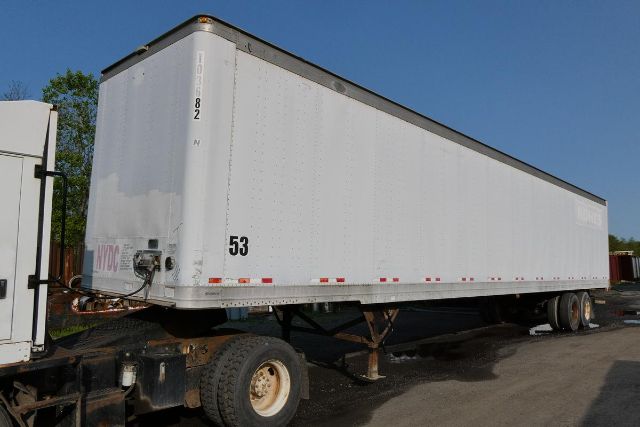
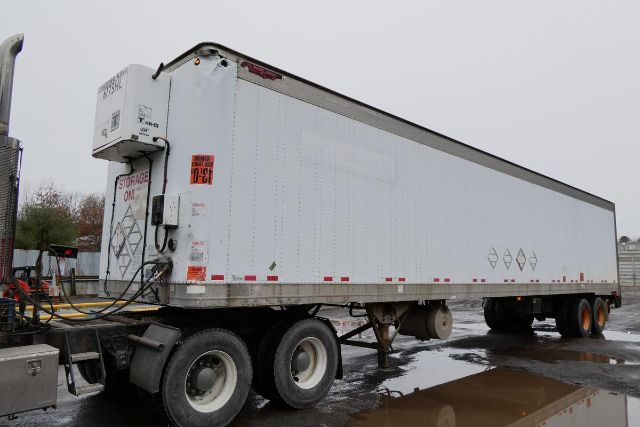
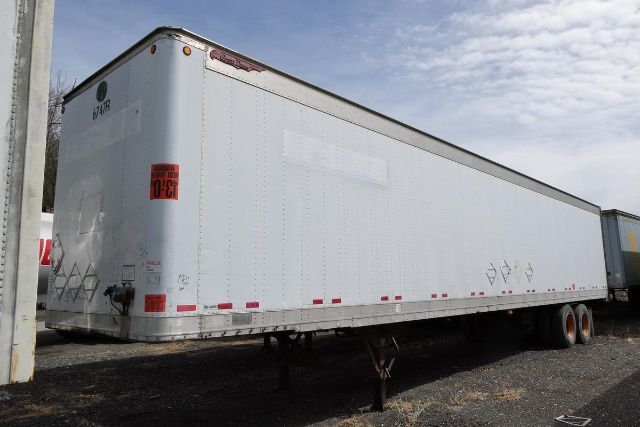
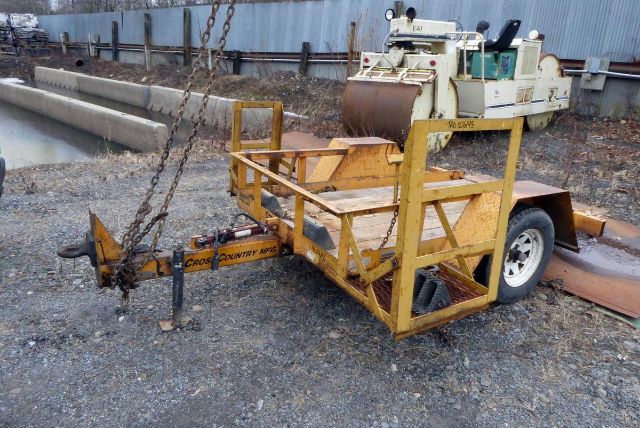
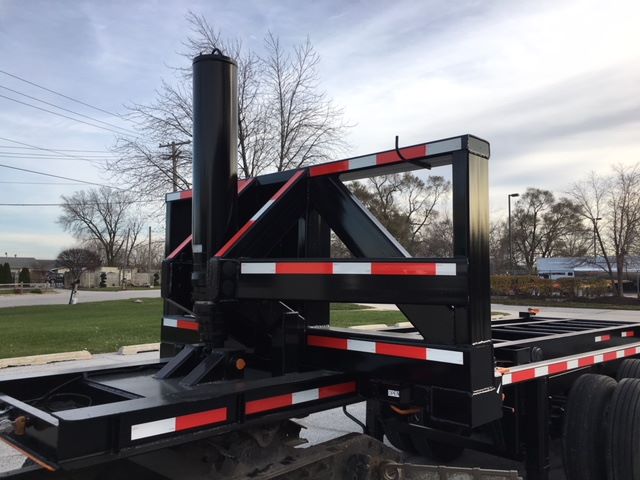
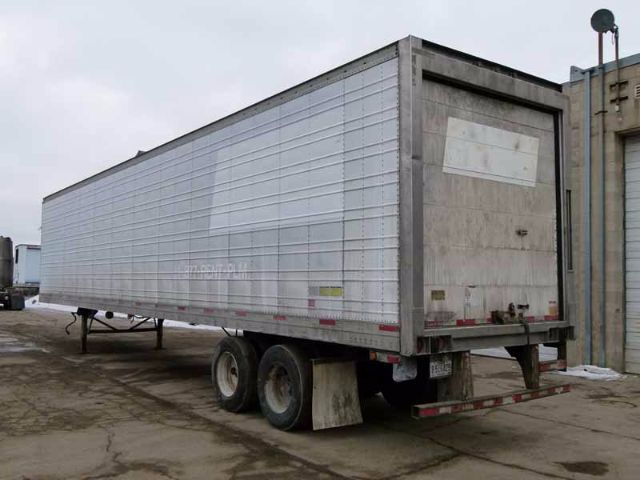
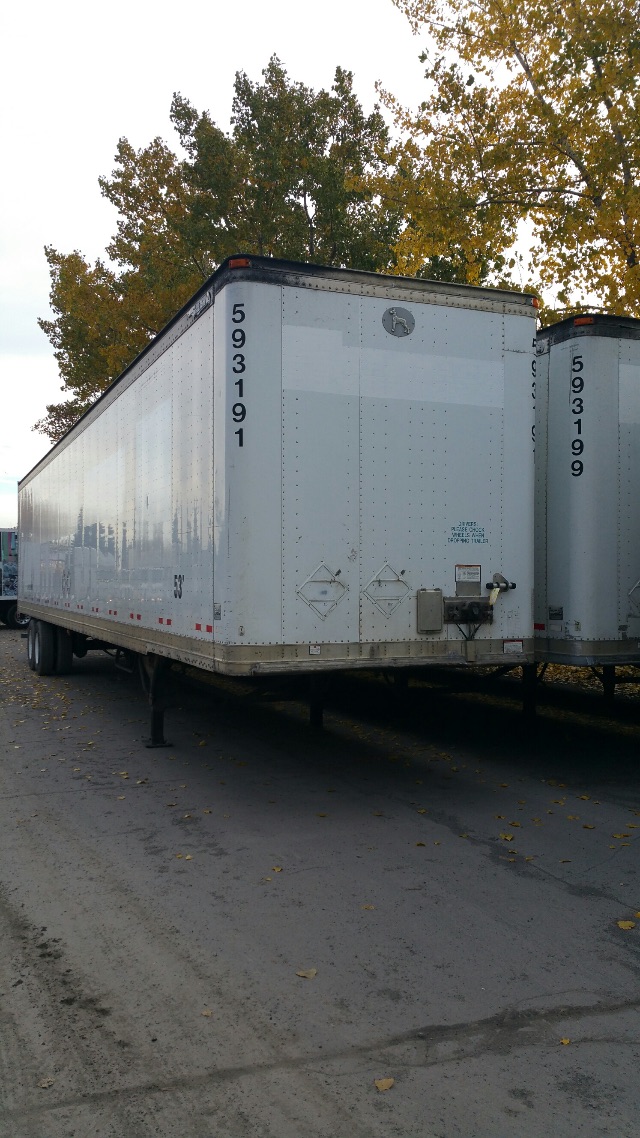
Showing 25 to 32 of 32 results
Have 2003 trailer to sell? List it here to reach thousands of buyers.
About 2003 Trailers
For dry van trailers, 2003 model year units are often 53-foot by 102-inch tandems with aluminum bodies, wood floors, spring ride or air ride suspensions, and sliding tandem axles. Many are spec'd with roll-up rear doors and translucent roofs. These are still practical for general freight, warehouse lanes, and dock-to-dock operations if the floor is solid and the rear frame, crossmembers, and door surround are sound. Pay close attention to lower rear corners, threshold wear, roof bow condition, sidewall repairs, and signs of water intrusion. On older vans, tandem slide function and subframe condition can be as important as the box itself.
For flatbed trailers, 2003 models are commonly 48-foot by 102-inch combination or steel-frame trailers with tandem axles, air ride suspension, wood floors, and winch packages. This category is also known as a flatbed trailer and is still a reliable choice for steel, lumber, machinery, building materials, and other open-deck freight. Buyers should inspect the main rails, crossmembers, floor fastening, rub rail, stake pockets, and winch track for distortion or heavy weld repair. Tire size, wheel mix, and brake drum condition affect operating cost, but deck condition and frame straightness usually determine long-term value.
Tank trailers from this year can vary widely by spec and intended product. A 2003 stainless DOT 407 tanker, for example, may be built for chemical or liquid bulk service with insulation, heating, vapor recovery, and rear discharge plumbing. For tanks, the barrel material, compartment count, piping layout, suspension, and compliance history are central buying points. Inspection records, pressure components, manholes, discharge valves, and signs of product contamination or deferred maintenance deserve careful review. Across all 2003 trailers, a buyer should weigh purchase price against immediate reconditioning needs, expected annual miles, and whether the trailer will stay on local routes, regional work, or specialized service.
Frequently Asked Questions
What should I inspect first on a 2003 trailer?
Start with the structure. Check the frame rails, crossmembers, suspension hangers, axle alignment, brake components, wheel ends, and floor condition before focusing on cosmetic issues. On dry vans, inspect rear corners, door frames, floors, and roof condition. On flatbeds, inspect the deck, rub rail, stake pockets, and evidence of heavy structural repair. On tank trailers, inspect the barrel, piping, valves, manholes, and any signs of corrosion, leaks, or contamination.
Are 2003 dry van trailers still good for general freight?
Yes, many 2003 dry van trailers are still suitable for general freight if the trailer has a sound floor, solid rear structure, and functional sliding tandems, brakes, and suspension. Aluminum van bodies from this era can remain serviceable for warehouse freight and regional lanes. The key is verifying that the trailer has not developed chronic water leaks, severe rear frame rust, or floor wear that will require major rebuilding.
Is a 2003 flatbed trailer a practical buy for open-deck work?
A 2003 flatbed can still be a practical and cost-effective choice for open-deck freight when the frame is straight and the deck is serviceable. Many buyers use this year range for steel, lumber, equipment, and building products. Air ride suspension, tandem axles, good brakes, and a complete securement setup add value. The most important factors are structural integrity, deck condition, and whether the trailer has been overloaded or poorly repaired in the past.
What makes a 2003 tank trailer more complicated to buy than a van or flatbed?
Tank trailers are more application-specific and more compliance-sensitive than most van or flatbed trailers. Buyers need to confirm DOT specification, barrel material, capacity, insulation or heating equipment, discharge configuration, and prior product service. The condition of valves, piping, pressure-related components, and washout history can directly affect usability. A tank trailer may look clean externally but still require costly work if the barrel, plumbing, or documentation does not fit the intended commodity.
Which specs matter most when comparing 2003 trailers for sale?
The most important specs depend on trailer type, but length, width, axle setup, suspension type, GVWR, floor construction, and body or frame composition are always important. Dry van buyers often focus on 53-foot length, 102-inch width, sliding tandems, door type, and floor condition. Flatbed buyers usually focus on deck length, frame composition, winch count, suspension, and tire and brake condition. Tank buyers focus on capacity, DOT code, barrel material, compartment count, and discharge equipment.