
2002 Trailers For Sale
Browse 2002 trailers for sale, including dry vans, flatbeds, and tank trailers. Compare specs, condition, applications, and common features.
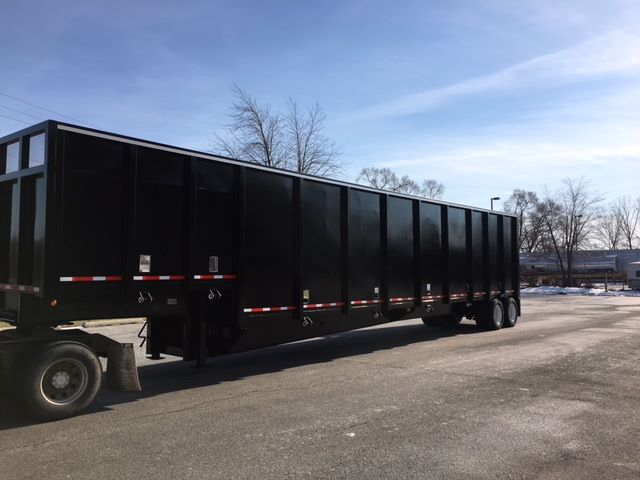
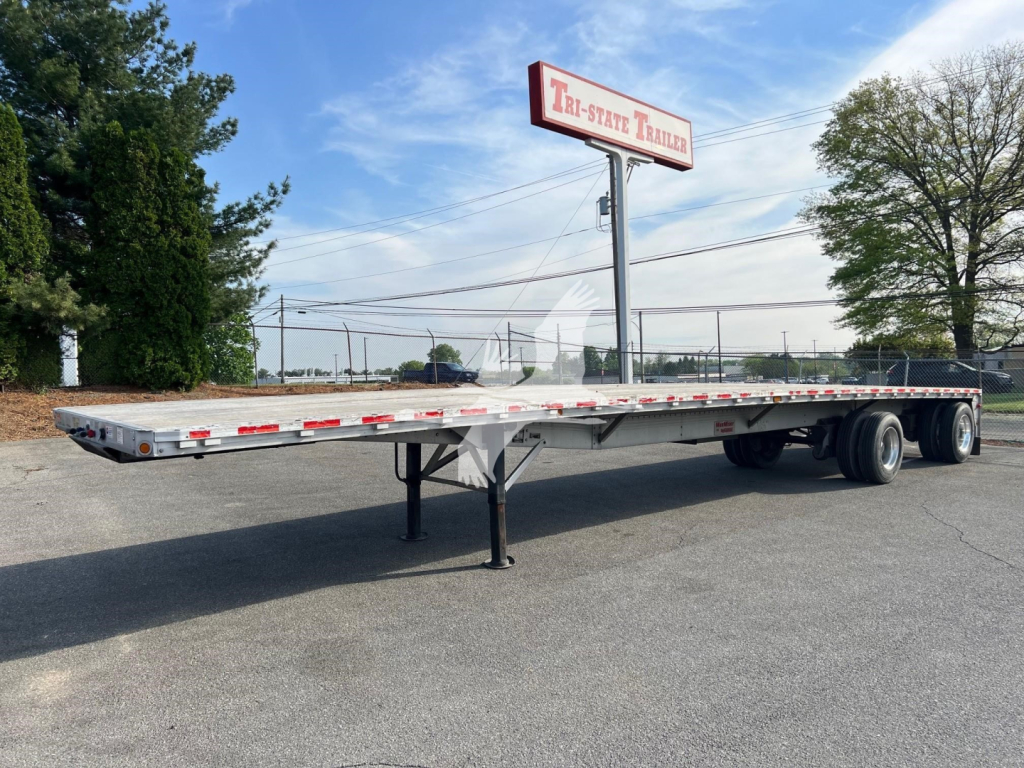
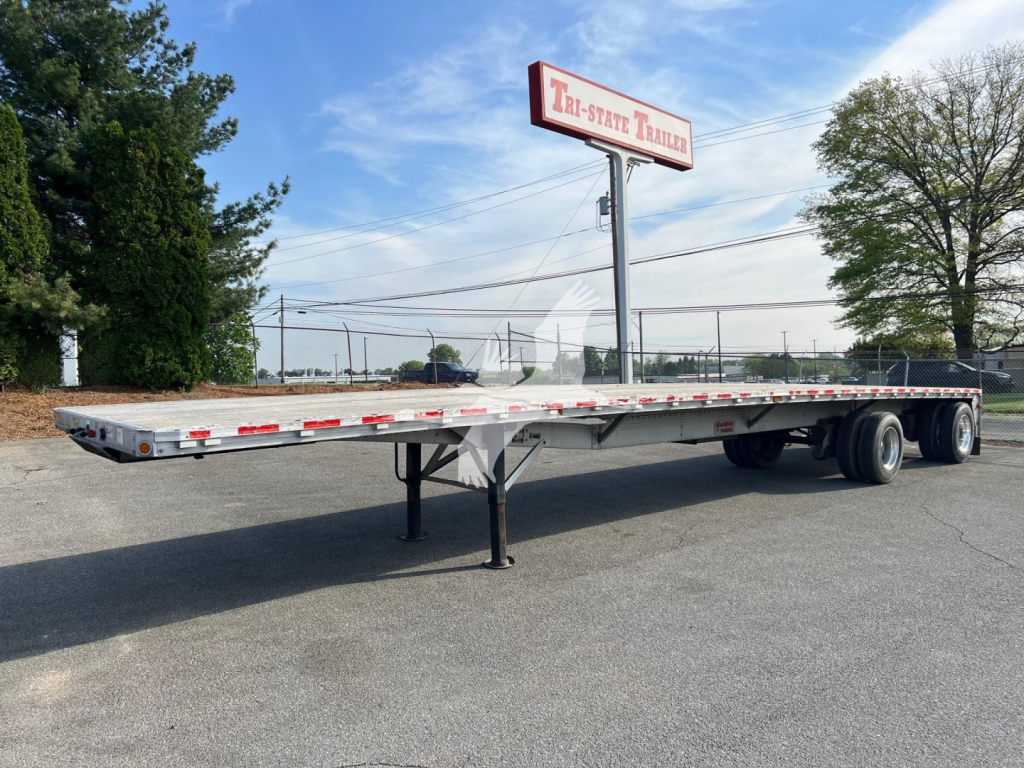
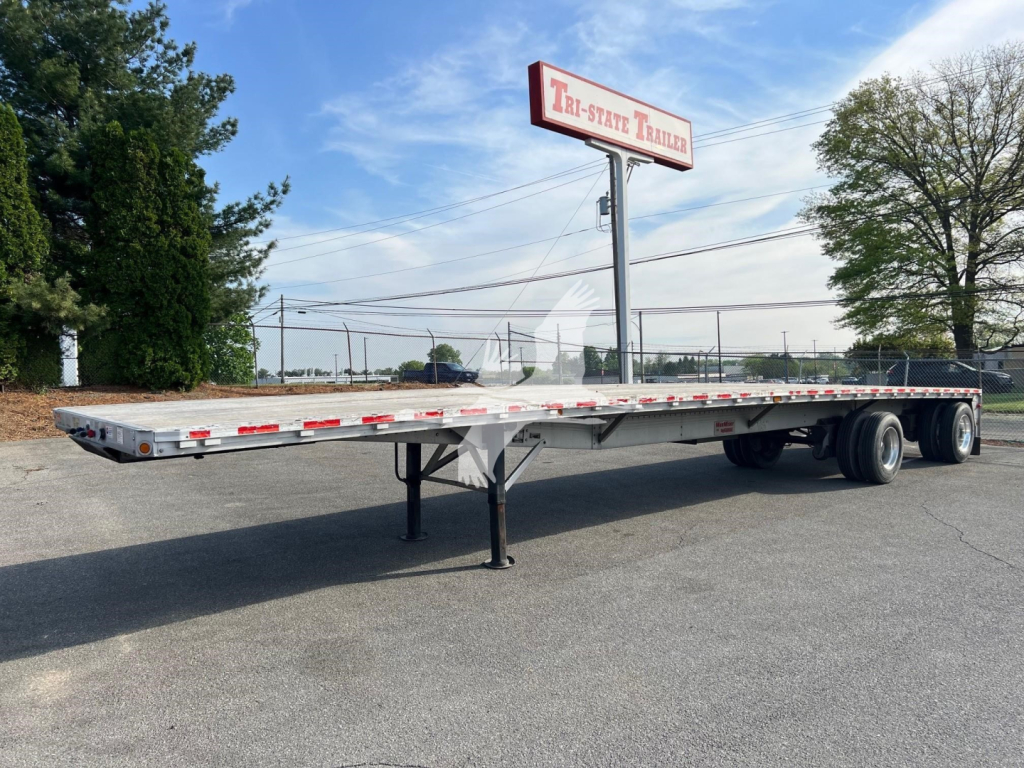
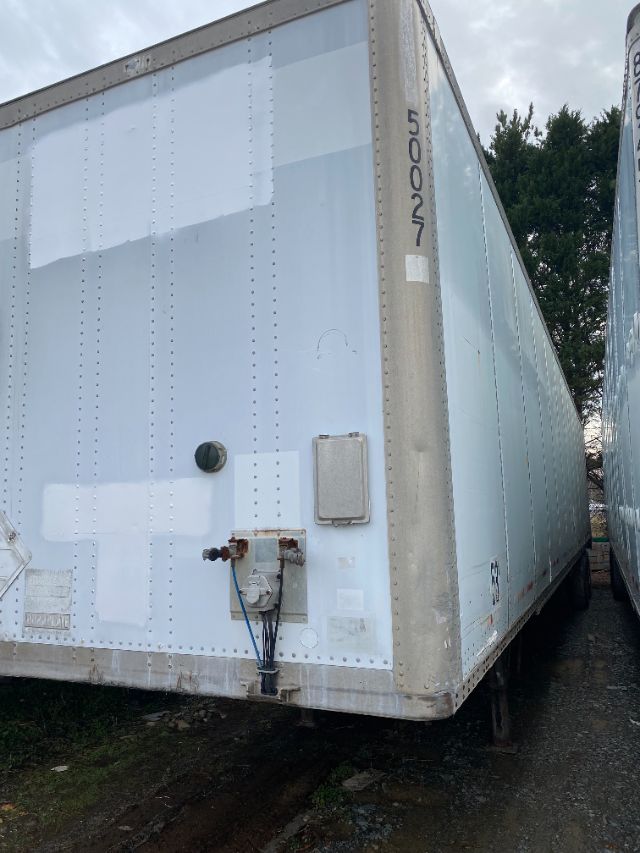
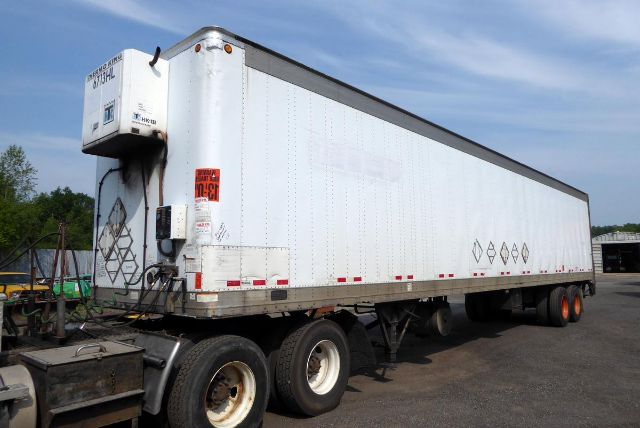

Selling a 2002 trailer? List your 2002 trailer for sale and reach thousands of commercial buyers.
2002 Trailers
Dry van trailers from 2002 are commonly found in 53-foot by 102-inch configurations with swing doors, aluminum roofs, wood floors, logistic posts, scuff liners, tandem sliding axles, and air ride suspension. Buyers comparing older vans should pay close attention to floor softness, sidewall condition, roof bow integrity, rear frame wear, door seal fit, and signs of previous patching around the nose and upper rails. Composite and plate-style wall construction, including well-known designs like Wabash DuraPlate, can still perform well in regional or warehouse-to-warehouse service if the body remains square and the trailer tracks correctly. Tire size, wheel material, DOT inspection status, and landing gear condition also matter because those items can quickly change the true cost of putting an older van back to work.
Flatbeds from this year often show up as 48-foot aluminum trailers, including spread axle configurations with air ride, sliding winches, nail strips, and coil package setups. Those features are still highly relevant for carriers hauling steel, lumber, machinery, and palletized building products. On a 2002 flatbed, buyers should inspect the main beams for repairs, flange damage, and cracking near suspension hangers, crossmember condition, deck wear, and overall trailer height if it will be used in legal-height freight lanes. Spread axle trailers can improve weight distribution and load flexibility, but they also need close inspection for tire wear patterns, alignment, and suspension condition. Winch track wear, rub rail integrity, and signs of concentrated coil loading are especially important on older aluminum platforms.
Tank trailers from 2002 require the most careful review because specification and compliance drive value more than age alone. A stainless insulated DOT 407 trailer, for example, may still fit chemical or liquid service if the barrel, piping, suspension, manholes, and discharge equipment meet the buyer's product requirements and regulatory needs. Capacity, compartment count, lining or barrel material such as 316 stainless, hose tube condition, and the service history of pressure-related components are all central decision points. For any 2002 trailer, the best purchase is the one with a clear maintenance story, a sound frame or barrel structure, and a specification that fits the freight without immediate rework.
Frequently Asked Questions about 2002 Trailers
What should I inspect first on a 2002 trailer?
Start with the structural components before looking at cosmetic condition. On a dry van, that means the floor, rear frame, roof, sidewalls, crossmembers, landing gear, and axle slider area. On a flatbed, inspect the main beams, crossmembers, deck, suspension mounts, and rub rails. On a tank trailer, focus on barrel condition, welds, manholes, discharge piping, and the exact DOT specification. Tires, brakes, lights, and air system condition matter on every trailer, but structural repairs usually have the biggest impact on true value.
Is a 2002 trailer too old for regular commercial use?
Not necessarily. A 2002 trailer can still be productive in commercial service if it has been maintained, passes inspection, and fits the intended duty cycle. Many older trailers remain active in regional freight, dedicated lanes, storage use, or specialized applications where the spec is more important than the model year. The key is to evaluate current condition, maintenance records, and expected repair costs rather than assuming the year alone determines usefulness.
What trailer types are common in the 2002 used market?
The 2002 used trailer market commonly includes dry vans, flatbeds, and tank trailers, along with occasional reefers, drop decks, and other specialty units. Dry vans are often 53-foot tandem axle trailers with swing doors and air ride. Flatbeds are frequently 48-foot aluminum units with spread axles, winches, and nail strips. Tank trailers vary widely by capacity, barrel material, insulation, and DOT rating, so they require closer spec matching than general freight trailers.
Are 2002 dry vans still a good option for general freight?
They can be, especially for warehouse freight, short-to-medium haul lanes, or operations that prioritize lower acquisition cost. Buyers should verify that the floor is solid, the body is square, the doors seal properly, and the suspension and braking systems are in workable condition. Features like scuff liners, logistic posts, air ride, and a sliding tandem can still make an older dry van useful for common freight, but deferred maintenance can erase any upfront savings.
What adds the most value on a 2002 flatbed or tank trailer?
On a flatbed, value usually comes from a straight frame, good deck condition, sound suspension, and useful load securement features such as sliding winches, coil package equipment, and a well-kept rub rail. On a tank trailer, value is tied more closely to the exact DOT code, barrel material, insulation, capacity, piping configuration, and documented service history. In both cases, buyers place a premium on trailers that can go to work without major structural or compliance-related repairs.