
2002 Trailers For Sale in Pennsylvania
Browse 2002 trailers for sale in Pennsylvania, including vans, flatbeds, curtainsides, lowboys, and tag trailers for regional and long-haul work.
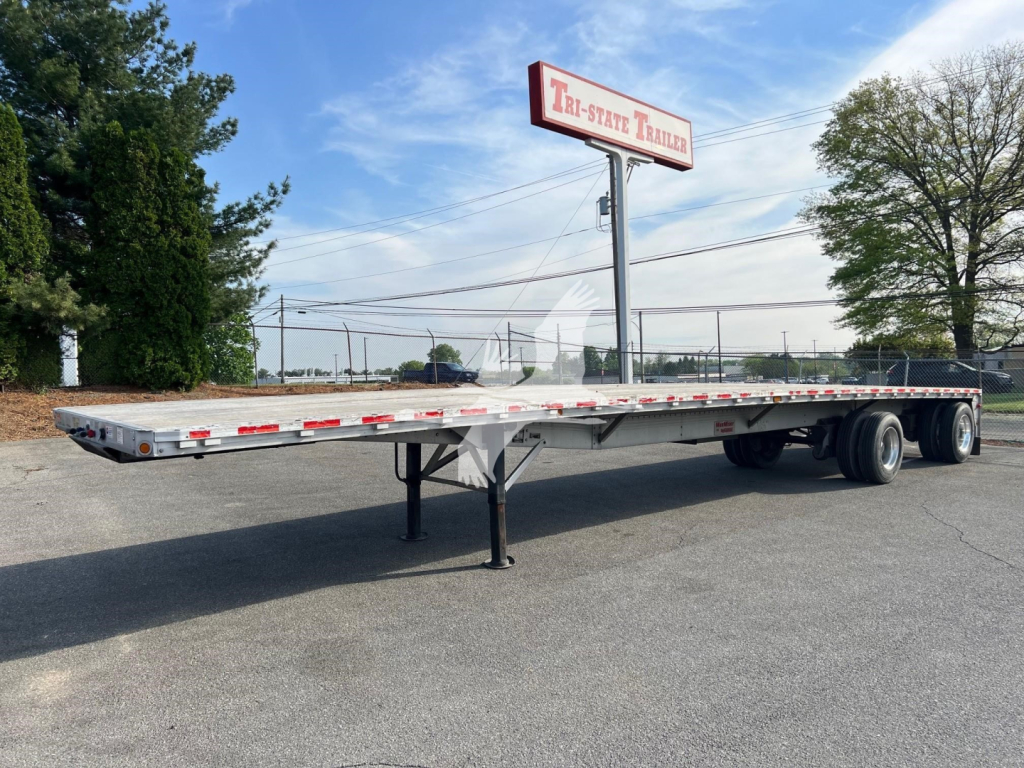
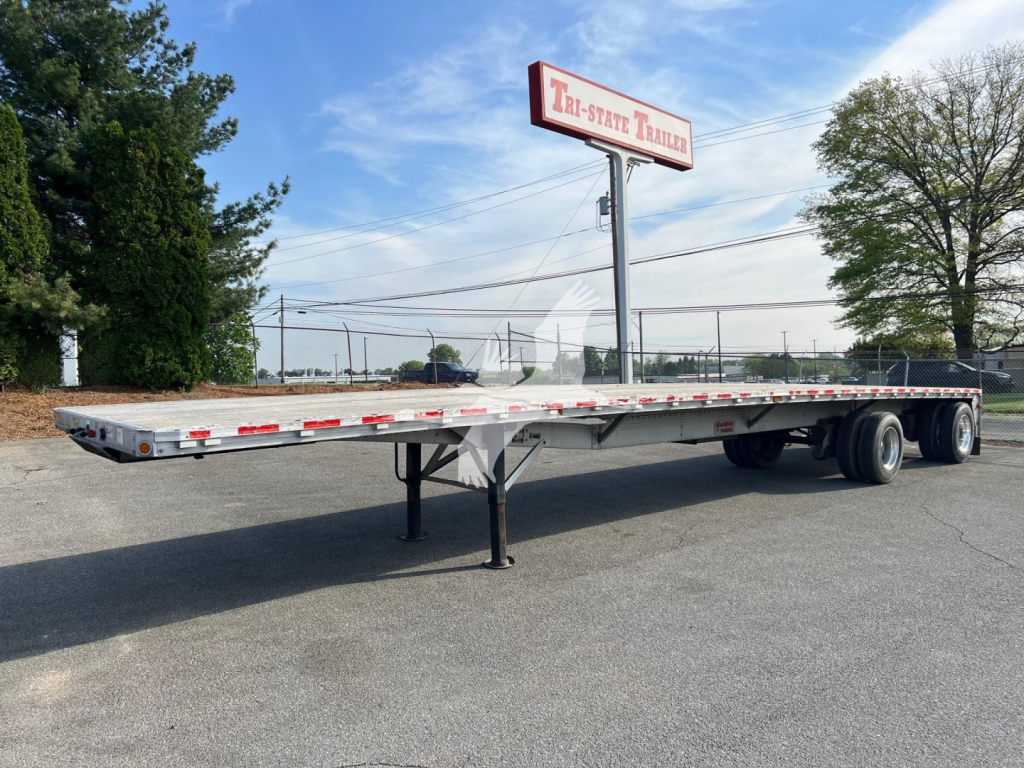
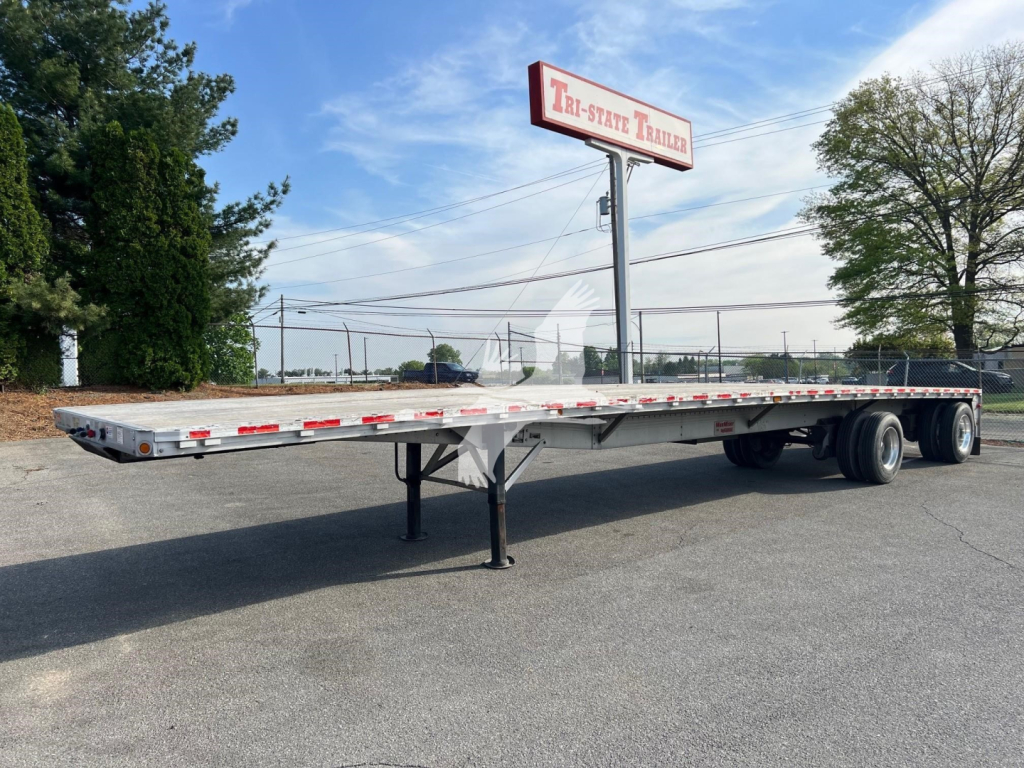
Selling a 2002 trailer? List your 2002 trailer for sale and reach thousands of commercial buyers.
2002 Trailers in Pennsylvania
The 2002 trailer market usually includes several body styles, and each one has different inspection priorities. Dry vans from this era are commonly 48-foot or 53-foot sheet-and-post or composite builds, often with swing doors, hardwood floors, scuff liners, plywood lining, and air-ride suspension. Flatbeds and drop decks may be aluminum or steel, with features like winch tracks, sliding winches, coil packages, nailer strips, and spread or sliding tandem axles. Curtainside and Conestoga-style trailers appeal to carriers that need weather protection without giving up side loading. Tag trailers, equipment trailers, and other specialty platforms should be checked for deck wear, ramp condition, load angle, pintle area fatigue, and concentrated stress at the beavertail and axle group.
For a buyer comparing 2002 trailers, axle configuration and suspension type have a direct effect on application and maintenance cost. Air ride is common on van and flatbed freight because it protects cargo and generally improves ride quality, while spring ride remains common on many equipment and tag applications for simplicity and durability. Sliding tandems offer flexibility for bridge law and load distribution, while spread axles can improve weight carrying and deck access but may add tire scrub in tighter operating environments. Standard widths are typically 102 inches, and lengths vary by body style, with 48-foot and 53-foot trailers remaining the most common in freight service. On any older unit, brake lining life, drum or rotor condition, bushing wear, suspension alignment, and evidence of uneven tire wear should be part of the decision.
Pennsylvania buyers also tend to pay attention to rust exposure, title status, and inspection readiness because older trailers can vary widely based on prior use and storage. A trailer that has spent years in heavy Northeast winter service may need more attention at the rear frame, crossmember ends, fasteners, and wiring than a similar-age unit used lightly or stored indoors. The best 2002 trailer choices are usually the ones with a clear maintenance trail, a straight frame, solid floors, and a spec that matches the intended freight. If the trailer will stay in short-haul regional work, durability and easy serviceability may matter more than tare weight. If it will be used in for-hire freight, buyers usually focus more on deck or cargo area condition, suspension performance, and how well the trailer can be integrated into a modern fleet maintenance program.
Frequently Asked Questions about 2002 Trailers in Pennsylvania
Is a 2002 trailer too old for commercial use?
Not necessarily. A 2002 trailer can still be productive if its structural components, suspension, brakes, floor, and electrical system are in sound condition. Trailer age matters less than maintenance history and current inspection results. Many older trailers remain in service for regional hauling, storage, construction support, agricultural work, and specialized freight, especially when the frame and running gear have been kept up properly.
What should I inspect first on a 2002 used trailer?
Start with the frame, crossmembers, kingpin area, suspension mounts, axle alignment, brake system, and floor condition. On vans, inspect the roof, side panels, rear frame, doors, scuff liners, and threshold plate. On flatbeds and equipment trailers, focus on deck wear, side rails, winch track condition, beavertail stress points, and any ramp hardware. Rust, poor prior repairs, and wiring problems are especially important on older trailers operated in Pennsylvania and other Northeast states.
Which 2002 trailer type is best for general freight?
For general palletized freight, a dry van is usually the most versatile choice because it offers weather protection, freight security, and dock compatibility. For steel, lumber, machinery, or other open-deck freight, a flatbed is more flexible. Curtainside and Conestoga trailers are a middle ground for freight that needs side loading and weather protection. The best choice depends on commodity mix, loading method, and whether cargo must stay enclosed during transit.
Are parts and repairs still manageable on a 2002 trailer?
In many cases, yes. Common trailer components such as brakes, wheel seals, suspension parts, lighting, landing gear, doors, and ABS items are often still serviceable through aftermarket and OEM-support channels. The challenge is usually not the age alone but the trailer's prior repair quality and whether major structural areas have excessive wear or corrosion. Buyers should confirm that critical wear items and body parts for the specific trailer type remain practical to source.
What axle setup should I look for on an older trailer?
That depends on the freight and operating lanes. Sliding tandems give more flexibility for load placement and bridge compliance, which is useful in van and some flatbed applications. Spread axles are common on flatbeds and can help with weight distribution, but they can be harder on tires in tight turns. Fixed tandem setups are common on tag and equipment trailers where simplicity and durability matter most. On a 2002 trailer, the condition of the suspension and alignment is often more important than the axle layout alone.