
2002 Flatbed Trailers For Sale
Shop 2002 flatbed trailers for hauling steel, lumber, machinery, and building materials. Compare lengths, axle setups, deck specs, and tie-down options.
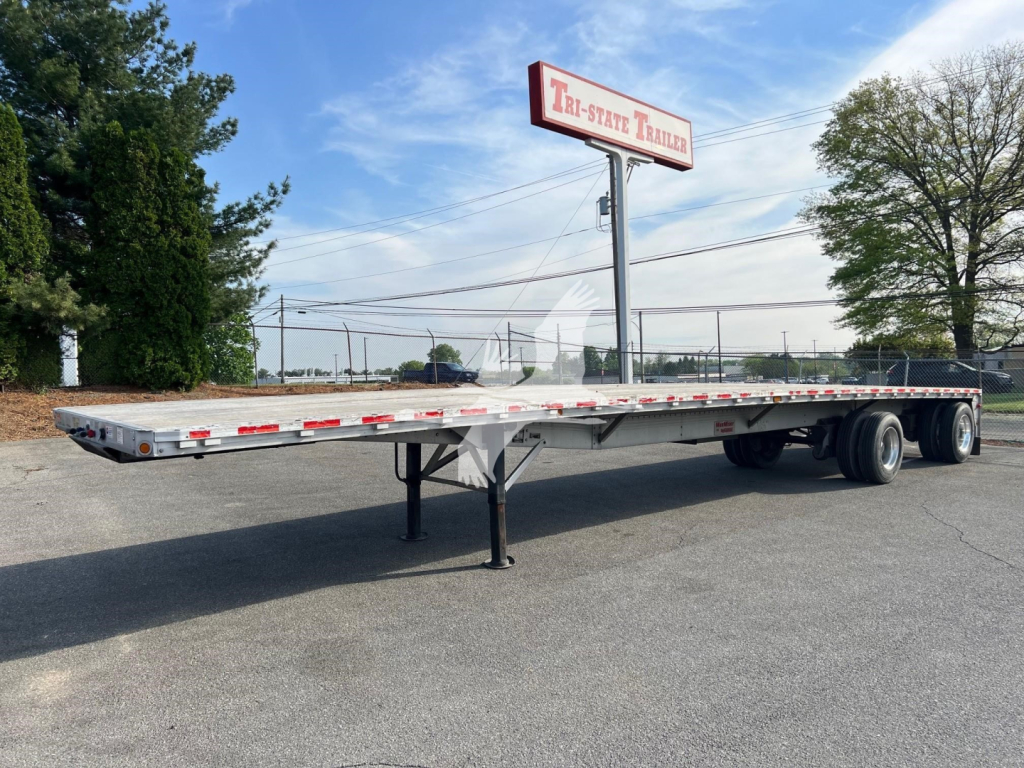
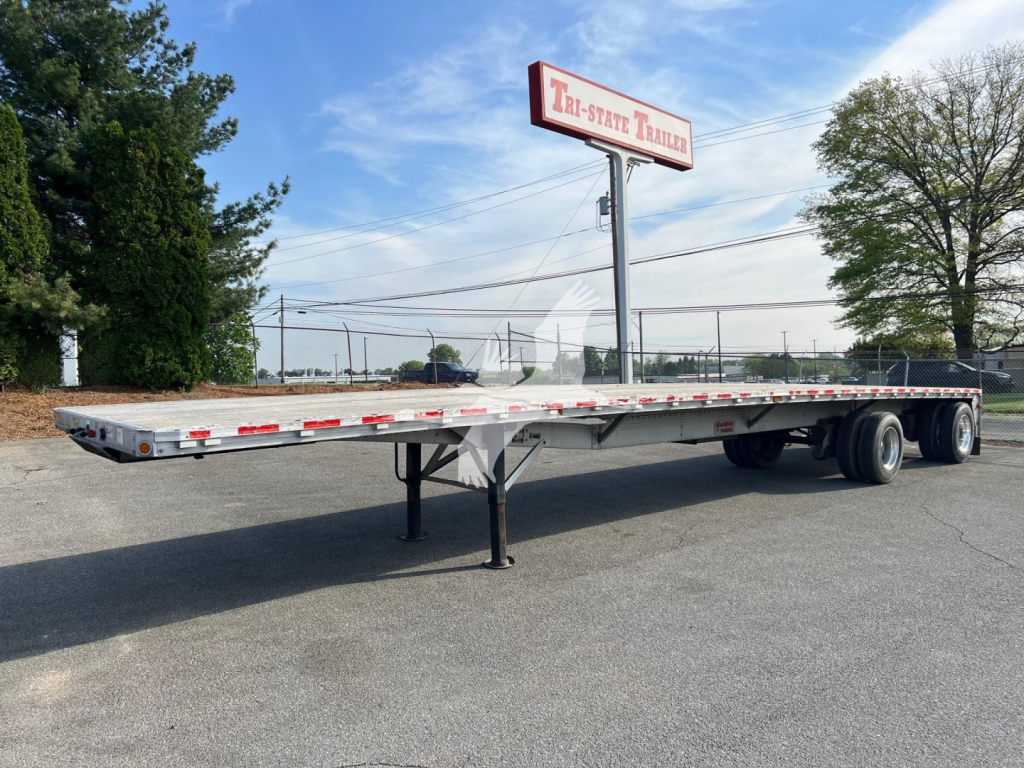
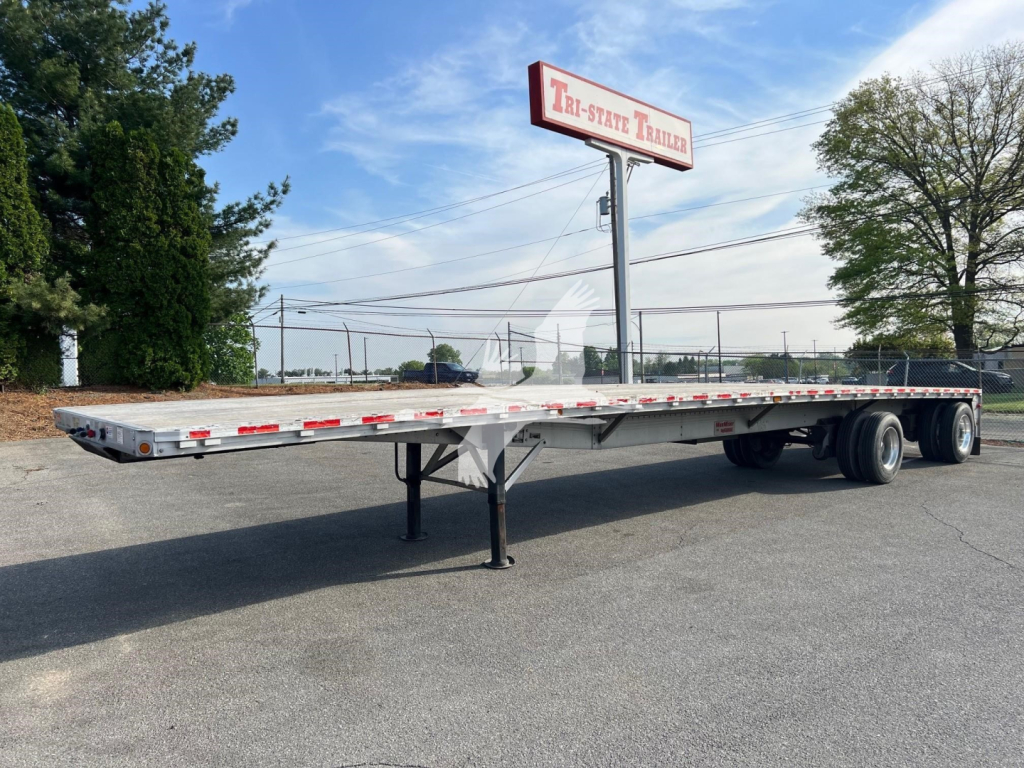
Selling a 2002 flatbed trailer? List your 2002 flatbed trailer for sale and reach thousands of commercial buyers.
2002 Flatbed Trailers
The biggest spec decisions usually come down to trailer construction and load securement layout. Aluminum flatbeds reduce tare weight and help maximize payload, while steel and combo designs can offer a different balance of durability, repairability, and cost. Many 2002 flatbed trailers were built with stake pockets, chain tie-downs, sliding winches, and winch tracks on one or both sides. If steel coils, machinery, or concentrated loads are part of the job, a coil package or mini coil package matters because it reinforces the deck and changes how weight can be carried in a short section. Buyers should also look at kingpin setting, axle spacing, and whether the trailer uses a fixed tandem, sliding tandem, or spread axle setup, since those details affect bridge compliance, turning radius, and load placement.
Suspension and brake spec are especially important on a trailer of this age. Air ride remains desirable for ride quality and freight protection, but the real question is bushing wear, axle alignment, brake condition, and service history. Drum brakes are common on 2002 models, though some units may have been updated or rebuilt over time. Tire size, wheel material, and remaining rubber all affect operating cost right away. Older flatbeds can also vary widely in deck type, including all-aluminum floors, apitong or mixed-material decking, and nail strips for specialized freight. Practical details like pipe spools, toolboxes, bulkheads, scuff protection, and landing gear condition can make a major difference in day-to-day use.
For many buyers, a 2002 flatbed trailer is less about model year and more about current structural integrity, empty weight, and how well the trailer was maintained. These trailers are commonly used for lumber, steel, building products, palletized freight, equipment, and general open deck hauling. A careful inspection should include the frame, neck, upper coupler plate, floor attachment points, light wiring, air lines, and signs of corrosion or cracking near crossmembers and rear impact areas. If the trailer has spread axles, sliding winches, a bulkhead, or specialized securement gear, confirm those components still match your freight mix and state bridge requirements.
Frequently Asked Questions about 2002 Flatbed Trailers
What should I inspect first on a 2002 flatbed trailer?
Start with the structure. The main beams, crossmembers, upper coupler plate, kingpin area, side rails, suspension hangers, and rear frame are the most important points on an older flatbed. Look for cracks, corrosion, poor weld repairs, bent members, and deck separation. After that, inspect brakes, tires, wheel ends, air system components, lights, and landing gear because those items can quickly add to the cost of putting a trailer to work.
Is an aluminum or steel flatbed better on a 2002 model?
It depends on the freight and the condition of the trailer. Aluminum flatbeds usually offer lower tare weight, which helps payload, and they are common in general freight service. Steel trailers can be attractive for certain heavy-duty applications and may be simpler to repair in some shops, but they typically weigh more. On a 2002 trailer, actual condition matters more than material alone. A well-maintained aluminum or combo trailer can be a better buy than a neglected steel unit, and vice versa.
Why does a coil package matter on a flatbed trailer?
A coil package reinforces a short section of the deck so the trailer can handle concentrated weight from steel coils and other dense freight. On flatbeds, this usually means added crossmembers and a rated load zone such as 50,000 or 60,000 pounds within a limited span. If your freight includes coils, metal products, or compact machinery, this feature is important for both legal loading and long-term trailer durability. Without it, concentrated loads can overstress the deck and frame.
What axle setup is common on flatbed trailers, and how does it affect hauling?
Flatbed trailers commonly use fixed tandem, sliding tandem, or spread axle configurations. A sliding tandem gives flexibility for weight distribution and dock approach, while a spread axle can improve stability and may work well in certain freight applications, though it can reduce maneuverability in tight areas. Axle spacing and kingpin setting affect bridge law compliance, turning characteristics, and where the load can be positioned on the deck. The right setup depends on your lanes, state regulations, and the type of freight you secure most often.
Can a 2002 flatbed trailer still be a good value for commercial hauling?
Yes, if it has solid structure, acceptable maintenance history, and the right specifications for your operation. Many older flatbeds stay productive because the design is straightforward and the application is demanding but predictable. The key is to evaluate repair exposure before purchase. An older trailer with healthy beams, straight alignment, good brakes, and usable securement equipment can be a cost-effective option, while one with hidden structural fatigue or deferred suspension work can become expensive quickly.