
1999 Trailers For Sale in New York
Browse 1999 trailers for sale in New York, including common specs, trailer types, applications, and key inspection points for used buyers.
Have 1999 trailer to sell? List it here to reach thousands of buyers.
1999 Trailers in New York
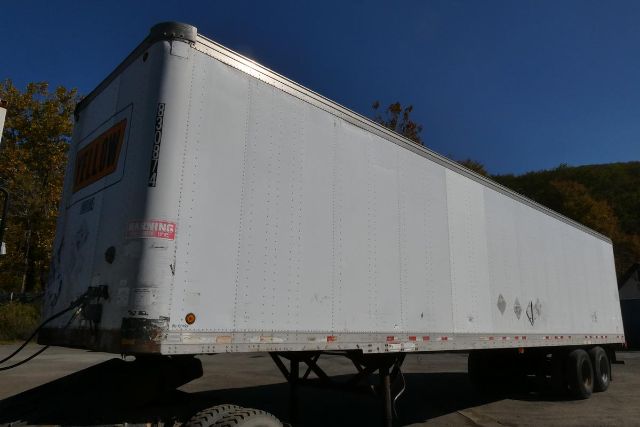
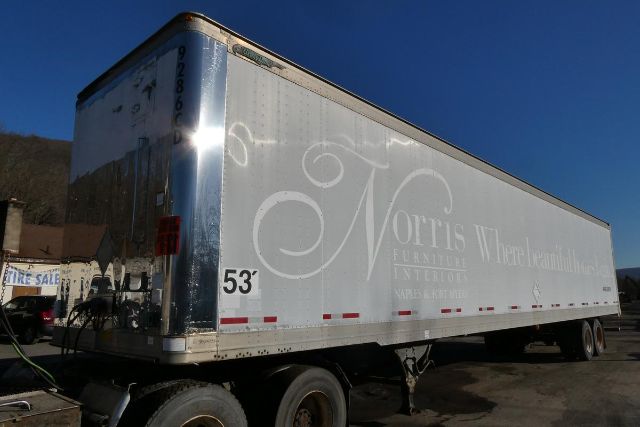
Dry vans remain one of the most common trailer types in this age range, with 48-foot and 53-foot lengths, 102-inch width, tandem axles, air brakes, and wood floors over steel or aluminum substructures being typical. Many older vans use a steel-and-aluminum composition to balance weight and durability. Common buyer checkpoints include roof condition, front wall repairs, floor rot, rear door operation, lining or scuff damage, and whether the tandem slide still locks and travels correctly. If the trailer will run regional freight in the Northeast, it is worth paying close attention to corrosion from road salt, brake chamber condition, air line wear, and the overall state of the suspension. Spring ride is common on older trailers, though air ride may be preferred for more fragile cargo.
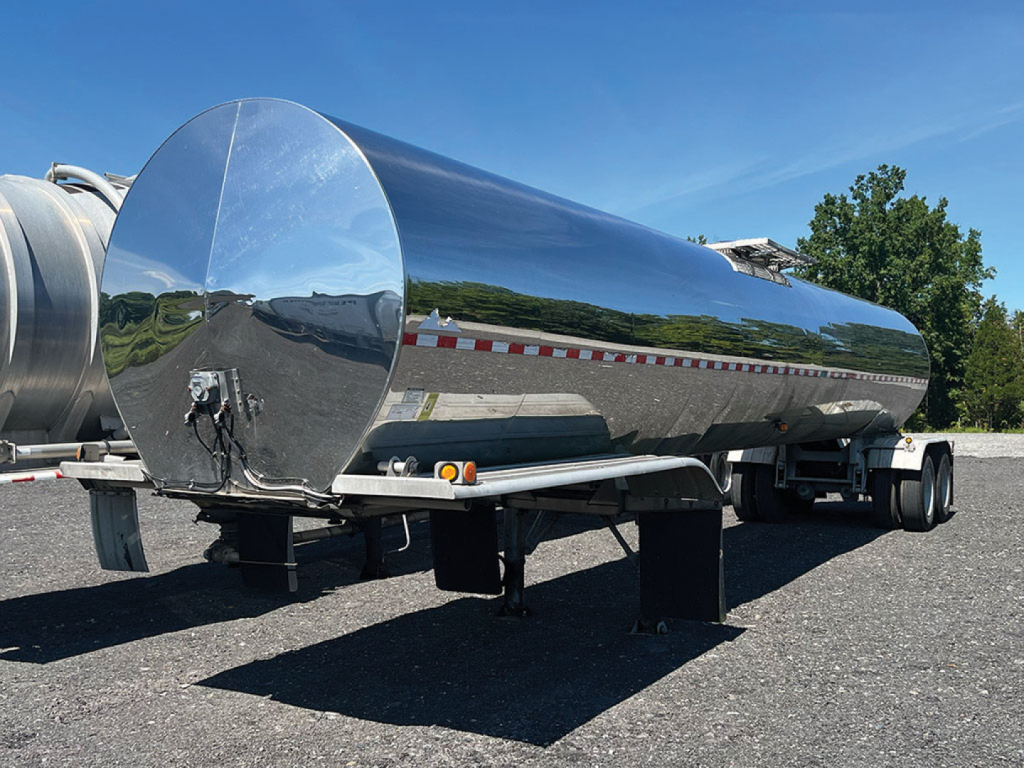
For buyers comparing 1999 trailers across categories, payload needs and dock compatibility usually drive the decision. A standard van or reefer needs solid door seals, square openings, and a floor that can handle repeated forklift traffic. Flatbeds and drop decks need close inspection of the deck surface, winch track, stake pockets, rub rail, and any frame cracks around concentrated load points. On refrigerated trailers of this vintage, the trailer body and insulation can be just as important as the reefer unit itself, because poor thermal integrity can make an otherwise running unit expensive to operate. Tire size, wheel type, GVWR, kingpin setting, overall height, and axle spread should also be reviewed against route restrictions and customer requirements.
The best value in a 1999 trailer usually comes from a unit that has already had major wear items addressed. That can include recent brakes, tires, bushings, lighting updates, floor sections, roof repairs, or door frame work. Buyers in New York should also confirm VIN legibility, title status, inspection readiness, and whether the trailer's dimensions and equipment suit urban delivery, linehaul, or storage use. A well-maintained older trailer can still serve effectively in farm use, warehouse shuttles, short-haul freight, storage applications, or backup fleet duty, but only if the core structure is sound and the trailer can stay compliant on the road.
Frequently Asked Questions about 1999 Trailers in New York
What should I inspect first on a 1999 used trailer?
Start with the frame, crossmembers, floor, suspension mounting points, brake system, and axle alignment. On a trailer of this age, structural condition matters more than appearance. Check for corrosion, weld repairs, cracked hangers, worn bushings, leaking wheel seals, air leaks, and uneven tire wear. On vans, inspect the roof, front wall, rear frame, and door operation. On flatbeds, focus on deck condition, rub rails, and load securement components.
Are 1999 trailers still good for over-the-road work?
They can be, but only if the trailer has been maintained to a roadworthy standard and fits current freight requirements. Many older trailers remain productive in regional service, short-haul lanes, seasonal work, storage service, or as backup capacity. For over-the-road use, buyers should pay close attention to compliance items, brake condition, lighting, tire age, suspension wear, and the overall structural integrity of the trailer body or frame.
What trailer specs matter most when comparing older trailers?
The most important specs are trailer type, length, width, GVWR, axle configuration, suspension type, floor construction, overall height, and empty weight. A 48-foot or 53-foot tandem axle van is common for general freight, while single axle pups and specialty trailers fit more specific operations. Buyers should also verify kingpin setting, door opening dimensions, tire size, wheel type, and whether the trailer can meet dock, route, and payload requirements.
Is rust a major concern on used trailers in New York?
Yes. New York road salt and winter exposure can accelerate corrosion on frames, crossmembers, rear impact guards, slider assemblies, brake hardware, and electrical connections. Surface rust is common, but deeper scaling, perforation, and weakened structural members are much more serious. A buyer should inspect the underside carefully and look for signs that rust has affected safety, alignment, or load-bearing components.
Can a 1999 trailer still make sense as a low-cost business asset?
Yes, especially for operations that need dependable capacity without paying for late-model equipment. Older trailers are often used for local freight, warehouse storage, yard spotting, farm use, or dedicated lanes with predictable demands. The key is to budget for repairs realistically and buy based on condition, not just price. A low-cost trailer with a solid frame and updated wear components can be a better value than a newer trailer with deferred maintenance.