
1999 Trailers For Sale
Browse 1999 trailers for sale, including van, reefer, and flatbed models. Compare specs, condition, dimensions, and axle setups.
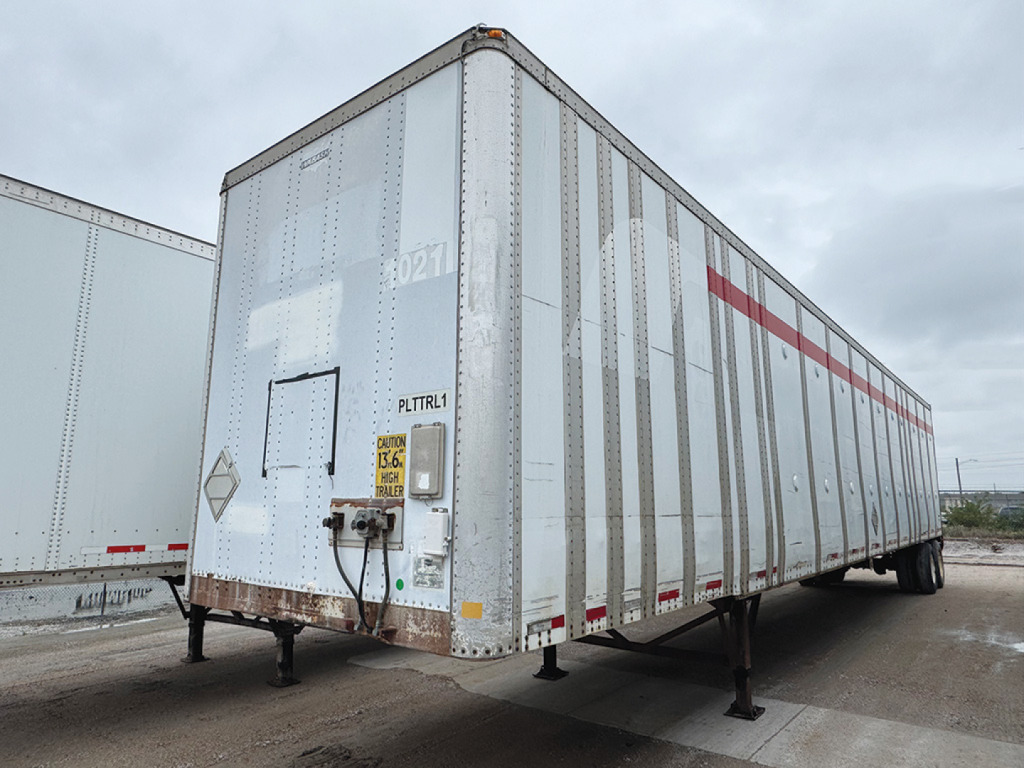
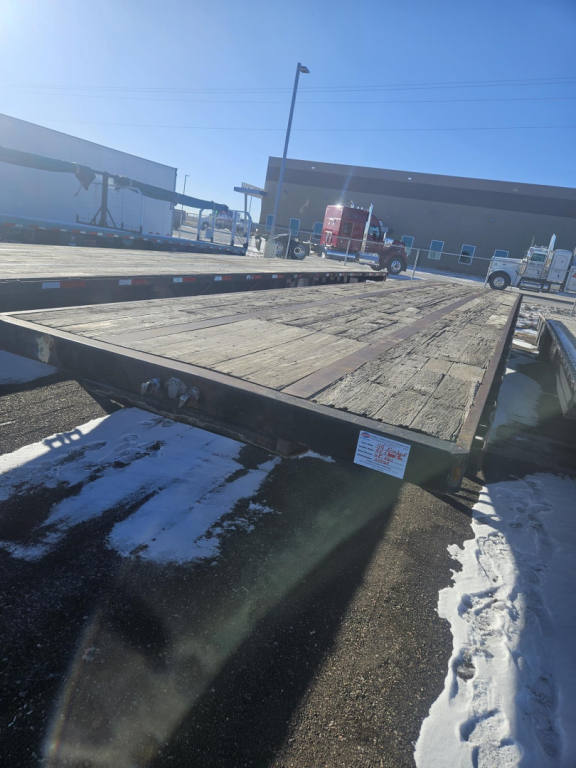
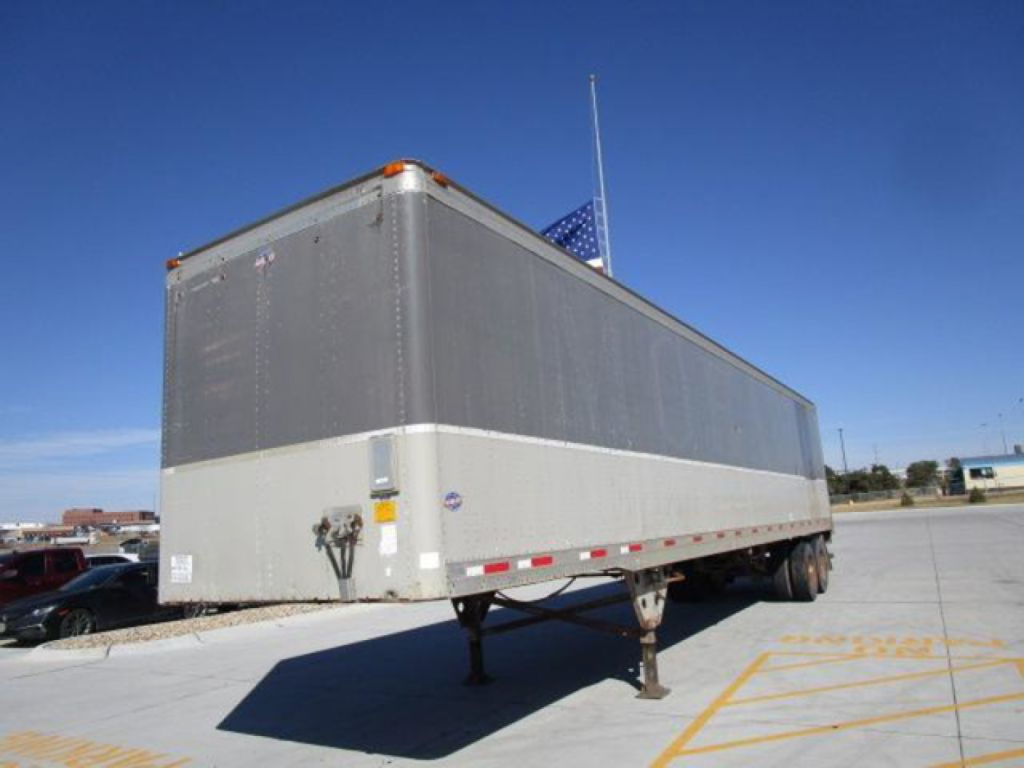
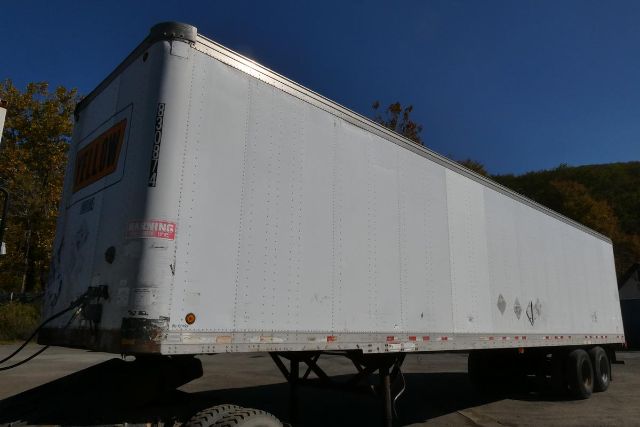
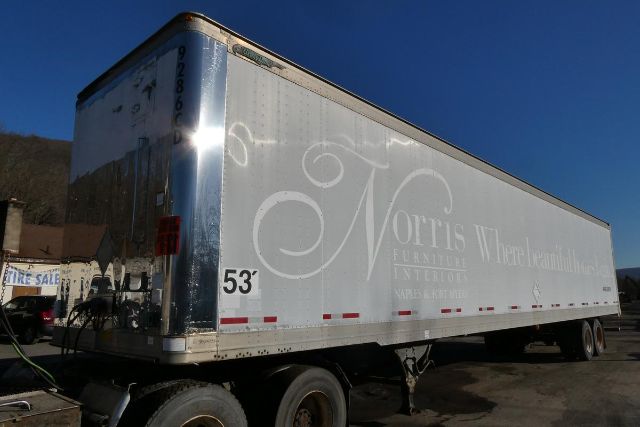
Selling a 1999 trailer? List your 1999 trailer for sale and reach thousands of commercial buyers.
1999 Trailers
Common specs on 1999 trailers vary by application, but many units in the market will be 48-foot or 53-foot configurations with 102-inch width, tandem axles, and either spring or air ride suspension. Sliding tandems are common on vans and reefers because bridge law flexibility still matters on regional and long-haul freight. On dry vans, buyers should look for logistics posts, scuff liners, threshold plates, hardwood or laminated floors, and door style such as swing or roll-up depending on dock use. On flatbeds, useful details include aluminum versus steel construction, winch track layout, sliding winches, nailer strips, pipe spools, and axle spread. Tire size, wheel material, landing gear condition, and brake type also matter because they directly affect operating cost after purchase.
The value proposition on a 1999 trailer is usually lower acquisition cost, but the real decision is repair exposure. A well-maintained older trailer can handle local delivery, dedicated shipper work, seasonal overflow, storage duty, or short regional lanes without tying up capital like a newer trailer. The inspection process should be stricter than it would be on late-model equipment. Check for patched roofs, bowed crossmembers, uneven tire wear, ABS function, brake chamber condition, wiring repairs, and VIN plate legibility. If the trailer has sliding suspension or sliding tandems, confirm the pins engage cleanly and the rail is not excessively worn. On refrigerated trailers, verify unit hours, temperature pull-down performance, and the condition of doors, seals, and drains.
A 1999 trailer makes the most sense for buyers who know exactly how the trailer will be used and what standard of appearance their customers require. For dock freight, cubic capacity, inside height, and door opening dimensions can be as important as the purchase price. For open-deck work, empty weight, concentrated load rating, and deck repair history can outweigh cosmetic condition. The best older trailers are the ones with clear maintenance history, consistent tire and brake upkeep, and structural components that have not been overworked or poorly repaired. When comparing listings, focus less on age alone and more on frame integrity, suspension type, axle configuration, floor or deck condition, and how easily the trailer can be put to work without immediate shop time.
Frequently Asked Questions about 1999 Trailers
What should I inspect first on a 1999 trailer?
Start with structural condition. Check the frame, crossmembers, kingpin area, suspension mounts, rear frame, and landing gear supports for cracks, corrosion, or poor weld repairs. After that, inspect wear items such as brakes, tires, hubs, lights, wiring, doors, seals, and floor or deck condition. On an older trailer, structural problems usually matter more than cosmetic flaws because they are more expensive to correct and may limit the trailer’s usable life.
Is a 1999 trailer too old for regular freight service?
Not necessarily. A 1999 trailer can still be useful in regular service if it has been maintained properly and meets the demands of the freight. Many older trailers remain viable for local, regional, seasonal, or dedicated contract work. The key is matching the trailer to the job and confirming it does not need major repairs right away. Buyers should also consider shipper expectations, as some customers have equipment age or appearance standards for drop trailer programs and dock operations.
What specs matter most when comparing 1999 dry vans, reefers, and flatbeds?
The important specs depend on trailer type. For dry vans, focus on length, inside height, logistics equipment, floor condition, suspension, and tandem configuration. For reefers, add refrigeration unit condition, hours, insulation integrity, and air chute or liner condition. For flatbeds, compare trailer weight, deck material, crossmember spacing, winch setup, axle spread, and load rating. Across all types, tire size, wheel type, brake condition, and landing gear function affect operating cost and road readiness.
Are air ride and sliding tandems worth having on an older trailer?
In many cases, yes. Air ride can improve cargo protection and ride quality, which matters for sensitive freight and rougher regional routes. Sliding tandems add flexibility for bridge law compliance and dock positioning. On a 1999 trailer, these features are only valuable if they still operate correctly. Buyers should inspect for air leaks, worn suspension components, damaged slider rails, and locking pins that do not fully engage. A desirable spec loses value quickly if it needs immediate suspension or slider repairs.
How do I judge value on a 1999 trailer?
Value comes from condition, remaining service life, and how much shop work is required after purchase. A cheaper trailer is not necessarily a better buy if it needs tires, brakes, flooring, wiring, or structural repair immediately. Compare the trailer’s construction, maintenance history, current tire and brake percentages, suspension type, axle setup, and visible repair quality. The best value is usually the trailer that can enter service quickly with predictable upkeep rather than the one with the lowest asking price.