
1999 Van Trailers For Sale
Shop 1999 van trailers for sale, including 53-foot dry vans with air ride, sliding tandems, wood floors, and common over-the-road specs.
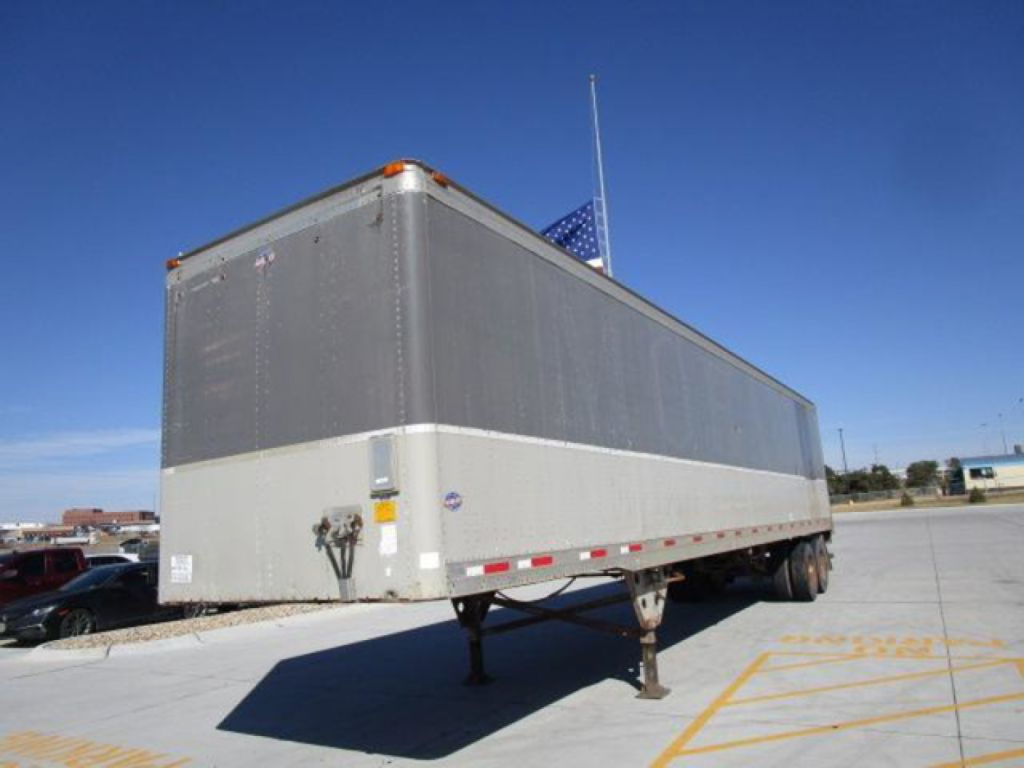
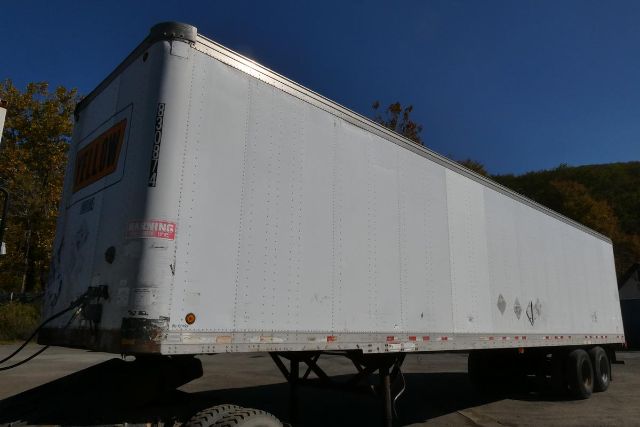
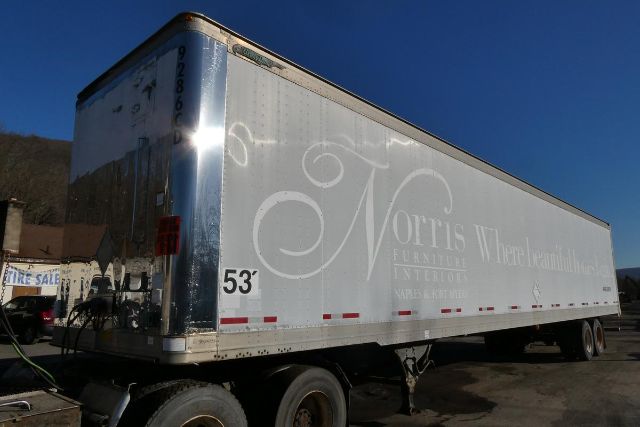
Have 1999 van trailer to sell? List it here to reach thousands of buyers.
1999 Van Trailers
Condition matters more than brand on an older dry van. Buyers should pay close attention to the roof, rear frame, crossmembers, floor condition, suspension wear, and door operation. On a 1999 trailer, water intrusion and floor fatigue are common inspection points, especially around the threshold plate, front corners, and lower sidewalls. Check for prior patching, scuff liner damage, rotten floor boards, cracked rails, and corrosion at the rear sill and slider assembly. A solid older van can still serve regional freight, storage, dedicated lanes, or drop trailer work, but deferred structural repairs can quickly outweigh the purchase price.
Common specs in this category include aluminum or sheet-and-post construction, spring ride or air ride suspension, 22.5 low-profile tires, steel or aluminum wheels, and tandem axles with a variable kingpin setting depending on the original build. Many 1999 vans have swing doors rather than roll-up doors, which can be an advantage for full door opening and lower long-term repair cost. Interior equipment varies. Some trailers have plywood or composite lining, steel or aluminum scuff liners, E-track or logistics posts, and aftermarket tire inflation systems. Older units may also have translucent roofs, which improve daylight loading but should be checked closely for age-related cracking or leaks.
The best use case for a 1999 van trailer is usually cost-controlled freight movement where buyers understand maintenance and inspection standards. Fleets often use older dry vans for short-haul operations, warehouse shuttles, seasonal overflow, or static storage. Independent operators may find value in a clean, straight trailer with a good floor and serviceable brakes, especially if the tandem slide, landing gear, and door hardware are in dependable condition. The real buying decision comes down to structural integrity, legal weight readiness, and how much reconditioning is needed to put the trailer to work safely.
Frequently Asked Questions about 1999 Van Trailers
What should I inspect first on a 1999 van trailer?
Start with the structure. Inspect the roof, front wall, rear frame, crossmembers, floor, and slider rails for cracks, corrosion, impact damage, or signs of water intrusion. Then check the swing doors or roll-up door, threshold plate, landing gear, suspension, brakes, and tire condition. On an older dry van, structural and floor repairs usually cost more than replacing normal wear items.
Are 1999 dry van trailers still useful for over-the-road freight?
They can be, but only if the trailer passes a thorough inspection and meets the requirements of the freight lane and customer. Many older van trailers are better suited to regional work, dedicated contracts, drop lots, or storage service because age-related wear can affect reliability, appearance, and maintenance cost. A straight frame, sound floor, dry roof, and working tandem slide are usually the baseline requirements.
What size and specs are most common on a 1999 van trailer?
The most common setup is a 53-foot trailer with 102-inch exterior width, tandem axles, air brakes, and either spring ride or air ride suspension. Many have wood floors, swing doors, and sliding tandems, with 22.5 low-profile tires and steel wheels being common on older fleet trailers. Interior lining, scuff plates, and logistics posts vary by original application and prior ownership.
Is air ride important on an older van trailer?
Air ride is desirable for many freight applications because it helps protect cargo and is widely accepted in dry van service. It can also improve resale appeal compared with spring ride. That said, the condition of the suspension components matters more than the suspension type alone. Worn bushings, leaking air bags, damaged hangers, or a neglected slider can turn a lower-priced trailer into a costly repair project.
Can a 1999 van trailer be a good storage trailer?
Yes, many buyers use older dry vans as ground storage or dock-level storage units because they offer enclosed, weather-resistant space at a lower cost than newer road trailers. For storage use, floor condition, door sealing, roof integrity, and landing gear stability are the main concerns. If the trailer will stay on-site, cosmetic wear and some road-use related issues may matter less than weather tightness and structural safety.