
1994 Trailers For Sale
Shop 1994 trailers for sale, including van, reefer, lowboy, flatbed, and drop deck models with specs that matter to fleet buyers.

Selling a 1994 trailer? List your 1994 trailer for sale and reach thousands of commercial buyers.
1994 Trailers
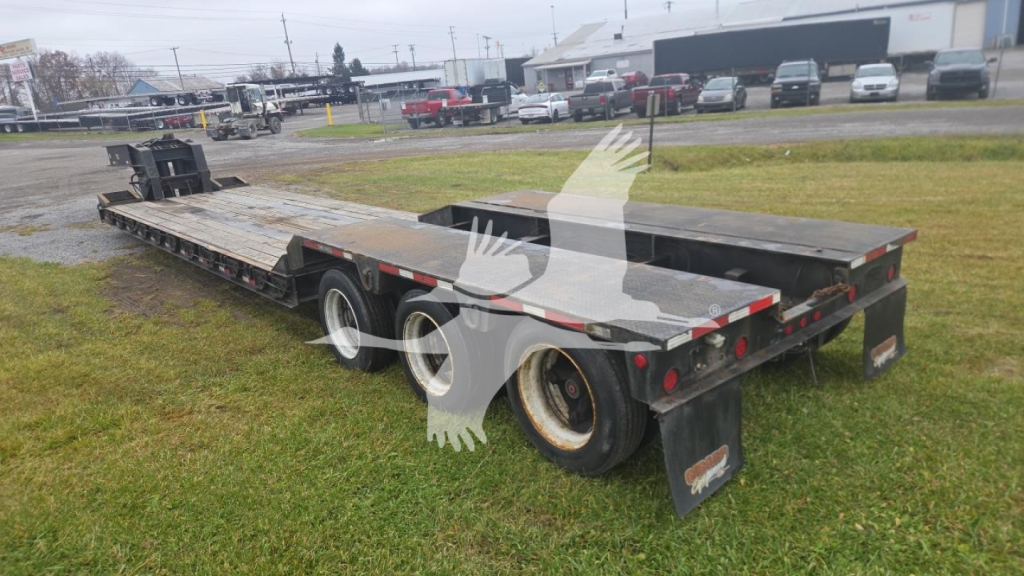
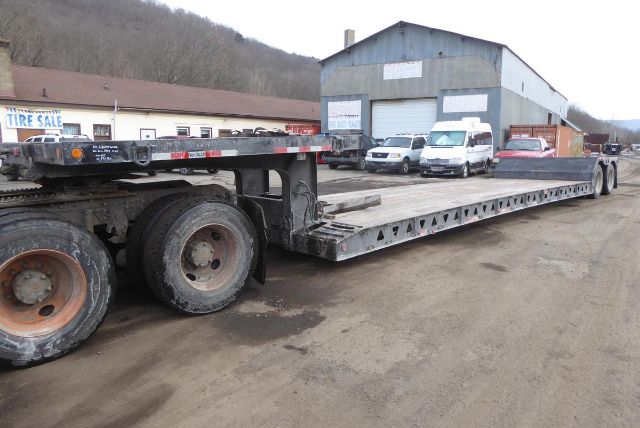
The 1994 trailer market covers several very different trailer types, including dry vans, refrigerated trailers, flatbeds, drop decks, lowboys, and specialty configurations. Van and reefer buyers should pay close attention to interior height, lining, floor thickness, door type, tandem slide function, and signs of water intrusion. Flatbed and drop deck buyers should inspect main beams, deck condition, winch tracks, stake pockets, pipe spools, and any evidence of concentrated overloading. Lowboy buyers need to verify deck height, neck design, axle configuration, suspension type, and legal capacity for the states where the trailer will run. A 53-foot van or reefer from this era may still fit general over-the-road work, while older platform and heavy-haul trailers often remain useful in regional construction, equipment transport, steel, or agricultural service.
Specs vary widely, so it helps to buy by application first. Common trailer lengths include 48 and 53 feet for vans, reefers, and many flatbeds, while lowboys and detachables are judged more by deck layout, loaded deck height, swing clearance, and ton rating than by overall length alone. Air ride suspension is still preferred for many freight applications because it helps protect cargo and can improve ride quality, while spring suspension may still appear on older vocational or heavy-duty setups. Tire size, wheel type, axle spread, sliding tandem versus fixed tandem, and brake configuration all affect operating cost and compliance. On 1994 units, it is especially important to confirm ABS status, lighting updates, landing gear condition, and parts support for suspension and brake components.
Older trailers are often purchased for cost control, seasonal demand, yard storage, local shuttle work, or dedicated lanes where buyers can justify refurbishment. The best value usually comes from a trailer with a straight frame, usable tires and brakes, current DOT-ready condition, and a spec that does not require major rework. If the trailer is intended for highway freight, check overall empty weight, axle ratings, door seals, floor repairs, and tandem operation before comparing price alone. If it is headed into specialized service, verify deck strength, tie-down hardware, outriggers, ramp systems, and kingpin setting against the tractor and the load profile. A well-maintained 1994 trailer can still earn, but only if the inspection is disciplined and the trailer is bought for the right job.
Frequently Asked Questions about 1994 Trailers
What should I inspect first on a 1994 trailer?
Start with the structural items that are expensive to repair and critical to safety. Inspect the frame rails, crossmembers, kingpin area, suspension hangers, axle alignment, brake components, and any corrosion around the rear frame or landing gear mounts. On vans and reefers, check the roof, floor, door frame, and signs of water intrusion. On flatbeds, drop decks, and lowboys, focus on beam condition, deck wear, tie-down points, and evidence of overloading or poor repairs.
Are 1994 trailers still legal and practical for commercial use?
Yes, a 1994 trailer can still be legal and productive if it meets current operating requirements and passes inspection. Practical use depends on condition, maintenance, and whether the trailer's spec fits the intended work. Buyers should confirm brake and lighting compliance, ABS configuration where applicable, tire and wheel condition, and overall DOT readiness. Age alone does not make a trailer unusable, but older units usually need a more detailed inspection and a realistic maintenance budget.
Which 1994 trailer types tend to hold value best?
Value retention depends more on use case and structural condition than on model year alone. Heavy-duty platform trailers such as flatbeds, drop decks, and some lowboys often remain marketable because they can stay productive in regional and specialized work for a long service life. Dry vans and reefers from 1994 can still be useful, but buyers are generally more sensitive to floor condition, body leaks, insulation quality, and door sealing. Specialty specs with strong utility and fewer structural issues usually attract the most consistent demand.
Is a 1994 reefer or dry van worth buying for over-the-road freight?
It can be, but only if the trailer has a sound body, a solid floor, and reliable running gear. Dry vans are often easier to justify because they have fewer high-cost systems than refrigerated trailers. A 1994 reefer may still work well if the box is tight and the refrigeration system support is practical, but repair costs can quickly outweigh the purchase savings if the unit needs major body or cooling work. Buyers should compare the trailer's condition, tare weight, inside dimensions, and repair history against the lane requirements.
What specs matter most when comparing older trailers?
The most important specs depend on trailer type, but buyers should always verify length, width, axle configuration, suspension type, tire size, wheel type, brake setup, and overall structural condition. For vans and reefers, inside height, floor construction, scuff liners, logistics track or E-track, and tandem slide function are key. For flatbeds and drop decks, deck length, loaded deck height, winch system, stake pockets, pipe spools, and lift axle configuration matter more. For lowboys, ton rating, neck style, deck layout, and legal axle group setup are usually the deciding factors.